TikTok, Instagram and Snapchat: Almost half of teens say social media negatively affects their peers
Among the platforms evaluated, TikTok stands out as the app where teens perceive the most negative effects related to time of use, sleep and productivity.
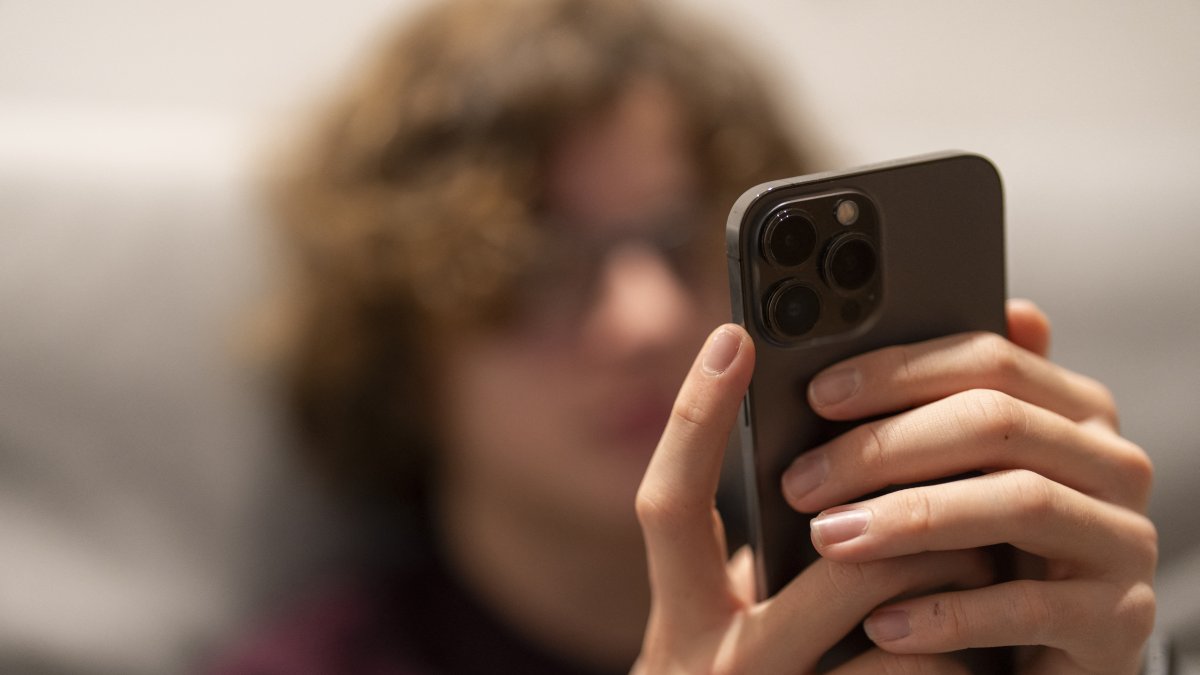
A teenager accesses social media through his phone.

Social media continues to occupy a central place in the lives of teenagers. More and more young people perceive the impact of digital platforms as harmful. A Pew Research Center study found that 48% of teens say that social platforms have a mostly negative effect on people their age.
The report, based on a survey of 1,458 teens aged 13 to 17 in the United States conducted between Sept. 25 and Oct. 9, 2025, analyzed in depth young people's experiences on TikTok, Instagram and Snapchat.
TikTok causes more concerns
Among the platforms evaluated, TikTok stands out as the app where teens perceive the most negative effects related to time of use, sleep and productivity.
Approximately three in 10 teens who use TikTok stated that they spend too much time on the app, a higher proportion than that recorded for Instagram and Snapchat.
In addition, nearly four in 10 TikTok users said the platform impairs their sleeping hours. The percentage is notably higher than among those who feel the same way about Instagram or Snapchat.
The study also found that more teens believe TikTok negatively affects their productivity compared to the other platforms analyzed.
Entertainment and connection remain the main reasons for use.
Despite the concerns, social media continues to form an essential part of teenagers' routines.
Entertainment appears as the main motivation for using TikTok, Instagram and Snapchat. Approximately nine out of 10 teens claimed to use these platforms for that purpose.
TikTok especially stands out in this regard. About eight in 10 users said that entertainment is one of the main reasons they use the app.
Connecting with friends and family also ranks high. Snapchat leads in this section: about two-thirds of its users said they use the platform to keep in touch with people close to them.
Social media, news and consumption
The report also notes that TikTok and Instagram are gaining ground as spaces where teens seek information and recommendations.
About six in 10 TikTok users said they use the platform to read product reviews. In addition, about four in 10 teens on TikTok and Instagram stated that they use these apps to stay informed about news.
However, politics continues to arouse little interest among teens. Most said they do not use social media to follow political issues.
Mental health and self-esteem
Most teens indicated that these platforms do not affect either positively or negatively their mental health.
On TikTok and Snapchat, users were slightly more likely to say that the platforms benefit their mental health than to indicate detrimental effects. On Instagram, both opinions remained roughly balanced.
Regarding self-esteem, about six in 10 teens said that what they see on TikTok, Instagram and Snapchat does not influence how they feel about themselves.
Still, about seven in 10 teens described their experience on these platforms as mostly positive, while only 3% said it has been mostly negative.
Bullying continues to be a problem
Snapchat recorded the highest proportion of teens who said they had experienced bullying, such as name-calling, rumors or threats. Nearly three in 10 users claimed to have experienced at least one of these situations, compared to about one in five on Instagram and TikTok.
The report also reflected differences between teens and parents on how much time young people spend on social media. While 28% of teenage TikTok users consider that they spend too much time on the platform, the percentage rises to 44% among the parents consulted.
LATEST