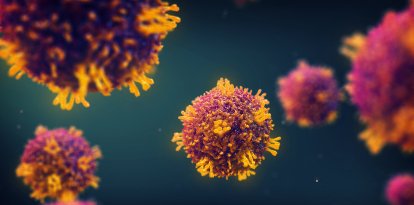
More than 100 people affected by norovirus outbreak on Caribbean Princess cruise ship
According to a CDC report, during the voyage that began April 28 with a 13-night Caribbean itinerary, 102 passengers out of 3,116 (3.3%) and 13 crew members out of 1,131 (1.2%) reported gastrointestinal symptoms.

The Caribbean Princess cruise ship-File Image

An outbreak of norovirus has affected more than 100 people aboard Princess Cruises' Caribbean Princess cruise ship, confirmed by the Center for Disease Control and Prevention (CDC).
According to the report, during the trip that began April 28 with a 13-night itinerary through the Caribbean, 102 passengers out of 3,116 (3.3%) and 13 crew members out of 1,131 (1.2%) reported gastrointestinal symptoms. The outbreak was reported to the CDC on May 7.
Norovirus is characterized by vomiting, diarrhea, nausea and abdominal pain, symptoms that typically appear 12 to 48 hours after infection and last one to three days. It is usually self-limiting in healthy people.

Princess Cruises' response
In a statement cited by Fox News, the cruise line acknowledged that "a limited number of people reported mild gastrointestinal distress" and said it acted quickly: "We quickly disinfected all areas of the ship and increased sanitization throughout the voyage." The company added that the Caribbean Princess will receive "a thorough cleaning and disinfection" upon arrival in Port Canaveral on May 11 prior to its next departure.
Stewart Chiron, a cruise industry expert based in Miami, told the news network that norovirus is common in the United States, where millions of cases are reported each year, while cruise-linked cases represent only a small fraction of the total.
For its part, the CDC specified that the figures reported correspond to people who became ill at some point during the entire trip, and not that all those affected showed symptoms at the same time.
Why does it spread so easily on cruise ships?
It is transmitted by the fecal-oral route, through contaminated food or surfaces, and by direct person-to-person contact. A single virus particle can infect someone, and a sick person can expel billions of particles in their vomit or stool. This makes it a frequent problem in enclosed environments such as boats, residences or schools.
There is no vaccine or specific treatment. The only effective way to combat it is hydration and strict hygiene measures, especially frequent hand washing with soap and water.
According to the CDC, it causes about 20 million cases each year in the United States alone.
LATEST