Hemispheric Security: US removes highly enriched uranium from Venezuela
Technical teams removed the excess nuclear material from a reactor in Caracas.
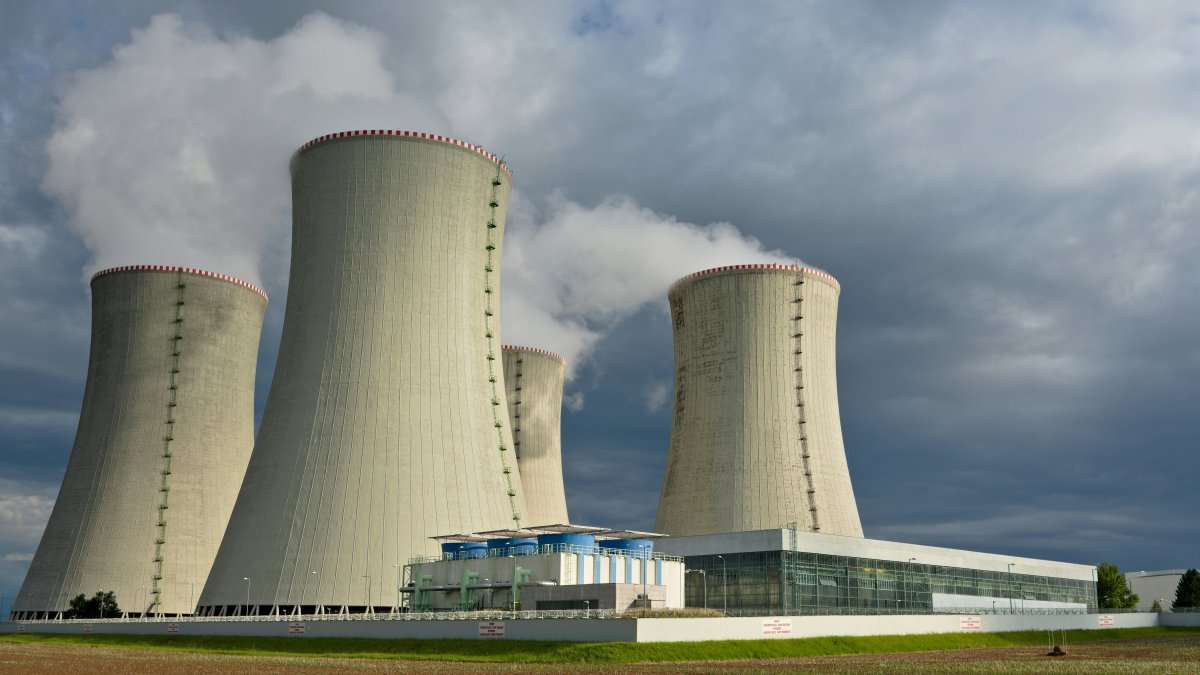
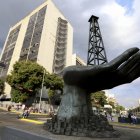
Reference image.

In what represents a strategic triumph for U.S. national security and the stability of Latin America, the Department of Energy's National Nuclear Security Administration (NNSA) confirmed the successful removal of all the enriched uranium remaining in Venezuela.
The operation, executed under unusual time pressure, marks a turning point in the bilateral relationship and in nuclear nonproliferation policy in the Western Hemisphere.
The material, which exceeded the critical threshold of 20% enrichment, was extracted from a legacy research reactor that had not operated for scientific purposes since the early 1990s.
According to Brandon Williams, NNSA administrator, this movesends a strong message about a "restored and renewed Venezuela"after years of uncertainty under the control of this type of resource.
Decisive leadership and international cooperation
The celerity of the missionhas been the most distinctive feature of this achievement. While procedures of this nature usually take years due to the logistical and diplomatic complexity, the current U.S. administration managed to complete the extraction in just months.
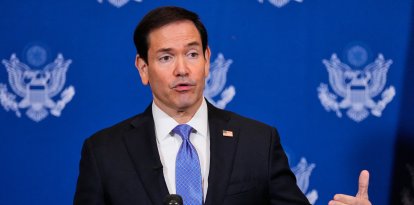
The political impetus came from the three-phase plan designed by President Trump and Secretary of State Marco Rubio, designed to stabilize the South American nation and neutralize security threats.
"Thanks to President Trump's decisive leadership, dedicated teams on the ground completed in months what normally would have taken years," Williams stated flatly.
The chronology of events reveals surgical coordination. Following a key visit by Energy Secretary Chris Wright to Caracas in February, a network of experts was activated that included the State Department, interim authorities from Venezuela's Ministry of Science and Technology, the International Atomic Energy Agency (IAEA) and specialists from the United Kingdom.
In less than six weeks from the initial assessment, the nuclear material was secured.
High-impact logistics: from RV-1 reactor to Savannah River
The technical target of the mission was the RV-1 reactor, a facility that for decades served for physical research but whose uranium became considered surplus material in 1991.The binational team, composed of the Defense Nuclear Nonproliferation Office (DNN) and technicians from the Venezuelan Scientific Research Institute, removed approximately 13.5 kilograms (30 pounds) of uranium.
The transfer was not without risk. The material was packed under IAEA international standards and escorted for 160 kilometers(100 miles) by landto a Venezuelan port.

There, the uranium was transferred to a specialized vessel of the British firm Nuclear Transport Solutionsfor passage to the United States.
The cargo arrived on U.S. soil in early May, where it was immediately transported to the Savannah River Site (SRS) in South Carolina. At this federal facility, the material will not be wasted: specialized technicians will process it at the H-Canyon chemical separations plantinto high-assay low-enriched uranium (HALEU).
This compound is critical for the development of the next generation of reactors in what the administration calls the "nuclear renaissance"of the United States.
The end of a nuclear terrorism risk.
The extraction in Venezuela adds to a long track record of the NNSA, which since 1996 has recovered more than 7,350 kilograms of sensitive nuclear material worldwide.
Dr. Matt Napoli, who oversaw the operation on the ground, noted that the technical expertise accumulated was vital to the success of a mission that closes a door on potential nuclear terrorism threats in the region.
Beyond the elimination of physical risk, the success of the operation is interpreted as a validation of the doctrine of "peace through strength"and direct U.S. diplomacy.
LATEST