CIA estimates Iran could withstand four more months of US naval blockade
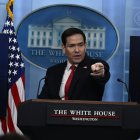
The leak of this document comes at a complex moment. On the table is a U.S. proposal to formally close the conflict and then open a channel of dialogue on the Iranian nuclear program. Marco Rubio, Secretary of State, said from Rome that he expected a response from Tehran within the day.

CIA Director John Ratcliffe

As the war between the US and Iran escalates amid failed attempts to reach peace, a report by the CIA reported by The Washington Post and Reuters estimated that the U.S. naval blockade could be endured by the Tehran regime for approximately four months, providing clarity on Washington's current pressure capabilities on the Iranian regime.
According to a U.S. official with access to the document, the figure is uncomfortable for the White House, as it implies that, in the immediate term, Washington lacks the economic leverage it assumed it had to tilt the negotiation in its favor, at a time when the war launched on February 28 - with the joint US and Israel over Iranian territory—is gathering increasing backlash among the U.S. electorate with the midterm elections approaching.
The leak of this document comes at a complex time. On the table is a U.S. proposal to formally close the conflict and then open a channel for dialogue on Iran's nuclear program. Secretary of State Marco Rubio said from Rome that he expected a response from Tehran within the day. The same, for now, did not arrive and the Iranian foreign ministry merely noted that the government is still evaluating its position, according to Reuters. Trump told reporters that he is still awaiting the response and is evaluating another direction if Iran does not make a quick decision.
Política
Pentagon declassifies secret files on unidentified aerial phenomena – Is anyone out there?
Carlos Dominguez
Crossfire at Hormuz and missiles over Emirates
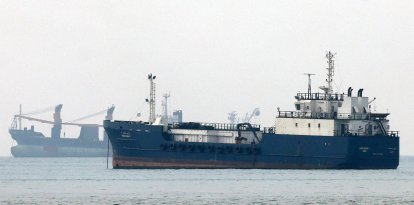
When it seems that the negotiations do not end up making progress, the April 7 cease-fire, moreover, is faltering. There were new clashes in the Strait of Hormuz—the most serious since the truce—with US fighters intercepting two Iranian ships heading for port. Iranian Foreign Minister Abbas Araqchi accused Washington of sabotaging diplomacy with "military adventures."
The conflict also reached Emirati soil. In Abu Dhabi, the interception of two ballistic missiles and three drones from Iran was reported, with three injured. The Emirates speak of "major escalation."
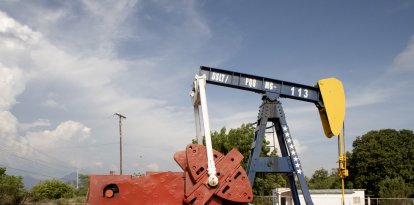
The oil market is also reacting to the conflict and the day closed with Brent above $101. However, the week saw a drop of more than 6%. Since the start of the war, some 20 Middle East refineries have been attacked or shut down as a precaution, withdrawing more than 2.3 million barrels a day from global supply by mid-April, according to data compiled by Reuters.
LATEST