The Cuban regime affirms it is ready to face a potential US aggression
When asked about a potential regime change in Cuba, Cossío asserted that such a possibility is not contemplated by the Cuban authorities, even after President Donald Trump hinted at the possibility of a friendly "takeover" of the island.
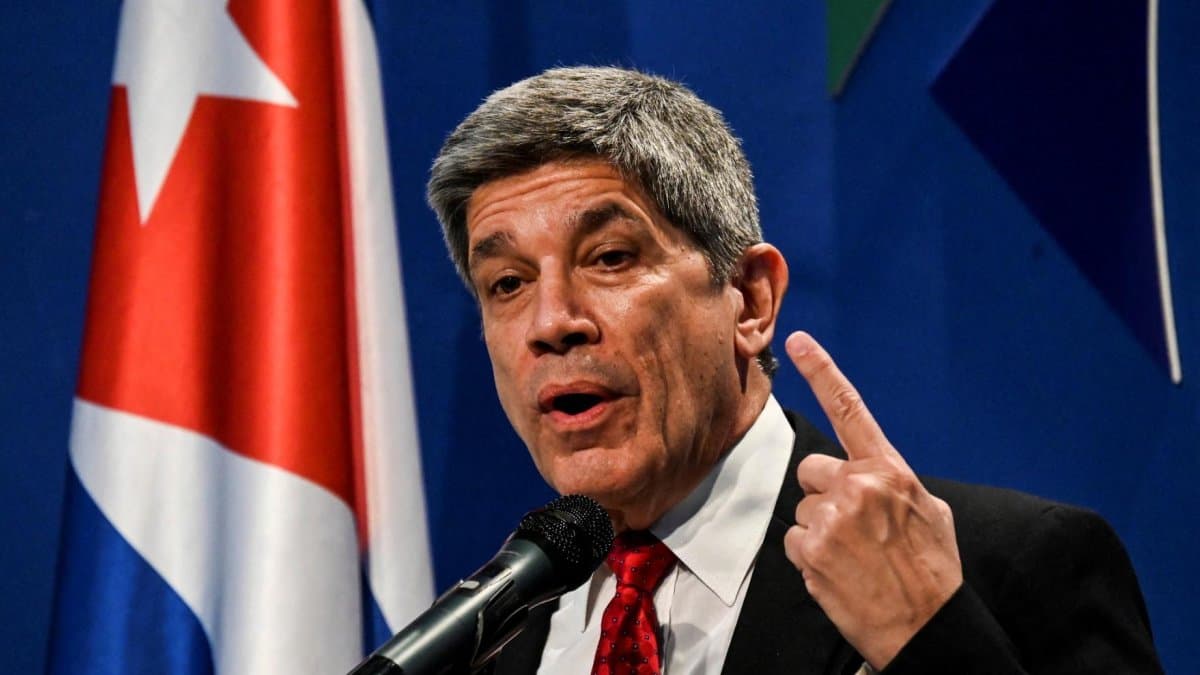

The deputy foreign minister of Cuba, Carlos Fernandez de Cossío, assured on national television that the military apparatus of the Castro regime is ready to face a possible "aggression" from the United States, in the midst of a growing bilateral tension.
During an interview with NBC News anchor Kristen Welker, the senior Cuban official maintained that the island upholds a historical tradition of mobilization in the face of conflict scenarios and that, while they do not consider an attack likely, it would be “naive” not to prepare.
“Our country has historically been ready to mobilize, as a nation as a whole, for military aggression,” Cossío said. "We truly always see it as something far from us. We don’t believe it is something that is probable. But we would be naive if we do not prepare.”
World
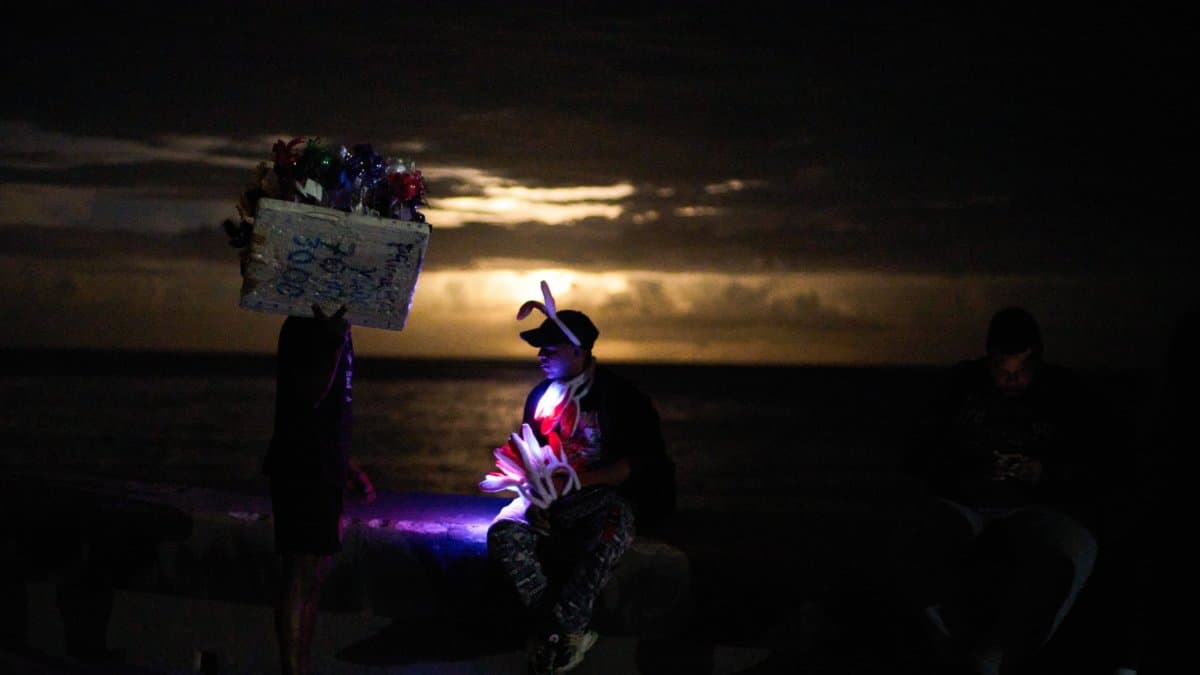
Cuba's electricity system collapses again, causing the third blackout this month
Emmanuel Alejandro Rondón
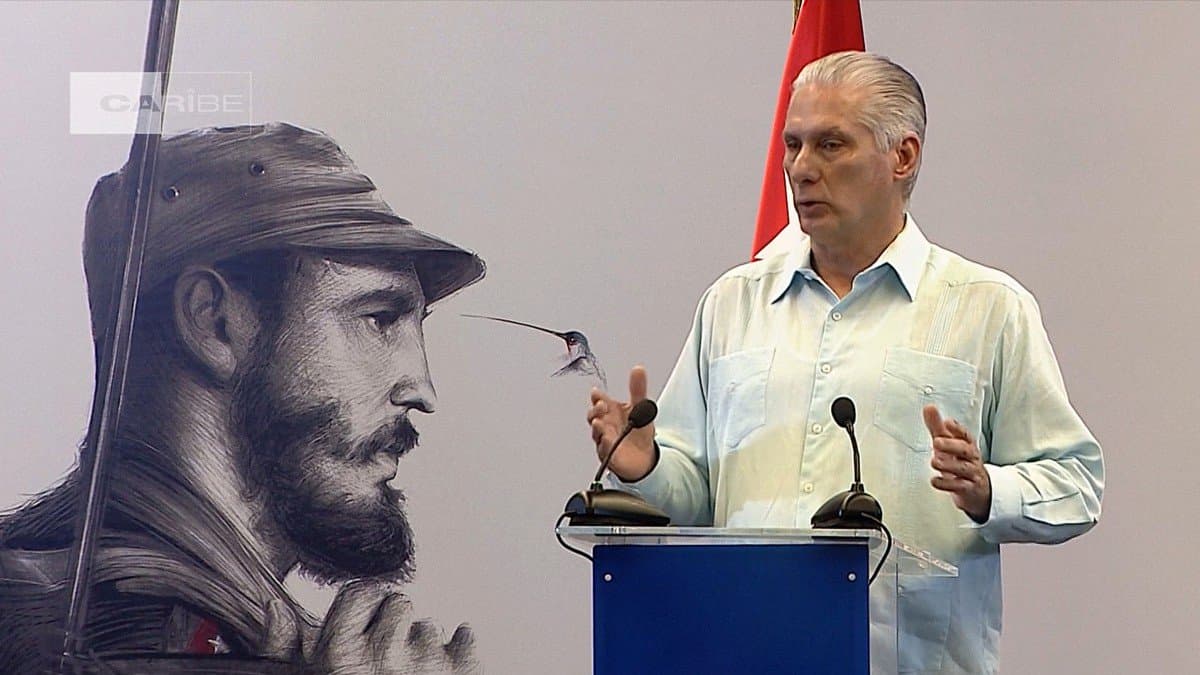
When asked about a potential change in regime in Cuba, Cossío assured that Cuban authorities are not contemplating such a possibility, even after President Donald Trump hinted at a friendly "takeover" of Cuba, in line with his policy of pressure on the Havana regime.
"Cuba is a sovereign country and has the right to be a sovereign country and has the right to self-determination," the deputy minister said. "Cuba would not accept to become a vassal state or a dependent state from any other country or any other superpower."
Cossío's words come at a time of maximum tension for the Castro regime, which faces, in addition to pressure from the Trump administration, a growing energy crisis and shortages that have generated massive protests on the island, in an increasingly evident climate of weariness inside the island.
The Castro regime, which has been in power since 1959, is facing a critical period after its main ally, Venezuela, stopped sending oil supplies after the United States captured former dictator Nicolas Maduro, who is currently in prison in New York, facing narcoterrorism charges.
According to Cuban Deputy Minister Cossío, the energy "blockade" pushed by the United States against Cuba is "very severe" and is part of a strategy to suffocate the island's economy. However, Cuba has been grappling with energy issues, shortages, and public service problems for decades.
Despite the recent ongoing diplomatic contacts between Washington and Havana, the senior Cuban official affirmed that there are no negotiations on internal reforms or the release of political prisoners on the island.
However, the rhetoric from the White House is diametrically opposed, with Secretary of State Marco Rubio claiming that this week, Cuba will collapse "on its own" as the authorities "don't know how to fix" the country.
🛠 Do you think there is an error in this article?
Recommendations
LATEST