






Treasury argues Big Beautiful Bill mainly favored middle and lower classes
According to an analysis released by the Treasury, as of the April deadline for filing tax returns, American families and workers received "$82 billion" in tax relief from the aforementioned legislation.


The Treasury Department asserted that middle- and lower-class families were the primary beneficiaries of the major legislation signed by Donald Trump. In July 2025, the president signed the 'Big Beautiful Bill,' also known as the Working Families Tax Cuts Act.
According to an analysis released by the Treasury, the benefit reached millions of workers, families and seniors who took advantage of tax deductions tied to children, tips, overtime, earned income and vehicle loans.
As of the April deadline for filing tax returns, U.S. families and workers received "$82 billion" in tax relief from the aforementioned legislation.
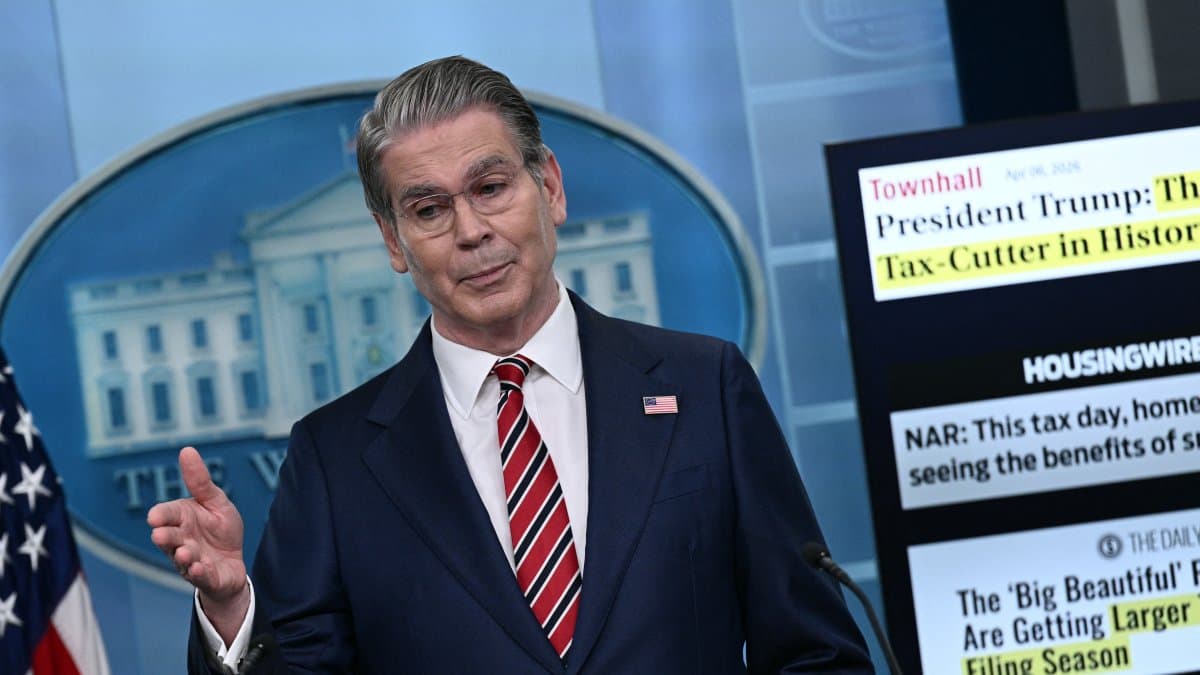
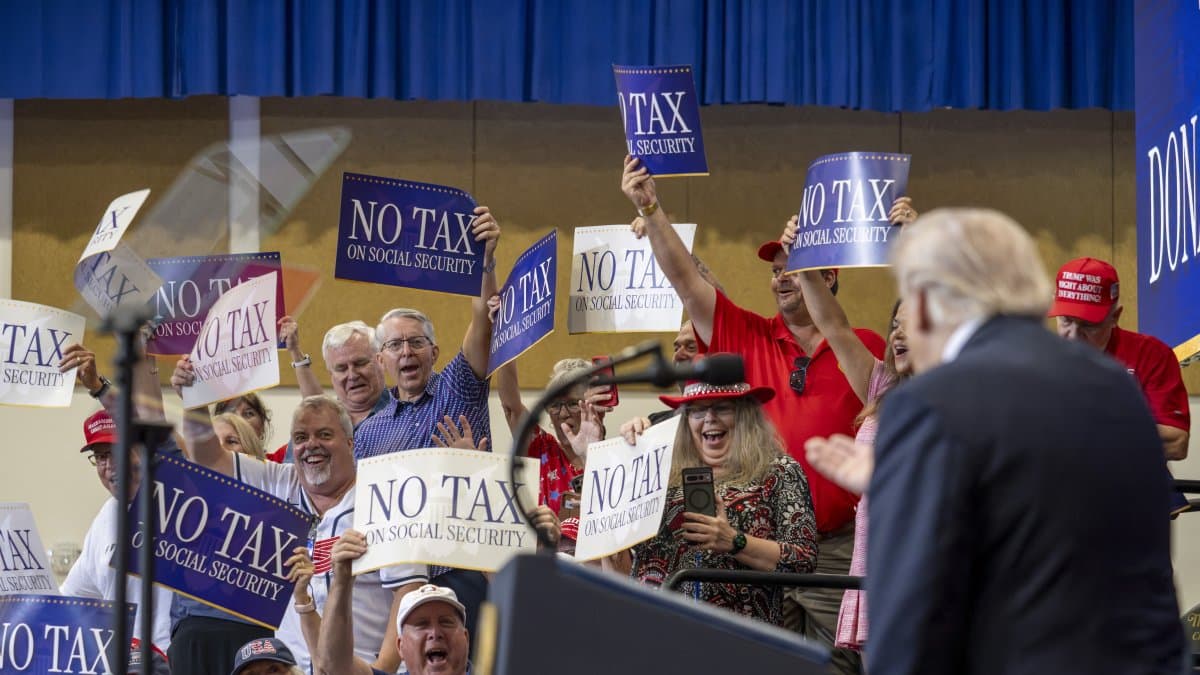
According to the official report, 97% of taxpayers received tax relief during the last tax season, and the relief was concentrated primarily among middle- and low-income households. Ninety-six percent of those who got a tax break recorded incomes of less than $200,000 per year, while almost 70% earned less than $100,000.
Among the most widely used provisions is the tip deduction, claimed by more than 7.5 million taxpayers, 90% of whom recorded income of less than $100,000 annually. In addition, more than 29 million filers used the overtime deduction, while more than 35 million seniors claimed the expanded senior deduction.
On the Trump accounts, the Treasury specified that 86% of open accounts belong to families earning less than $200,000 a year.
"This analysis confirms President Trump’s tax policies deliver substantial tax cuts to hardworking Americans and provide greater relief and financial certainty to low- and middle- income households," Treasury Secretary Scott Bessent said in this regard.
"Under President Trump, our federal tax code and system reflect the American people’s mandate to reject policies that punish success with tax hikes and embrace those that restore fairness, reward work, respect hard-earned paychecks, and reignite the American Dream," he added.
The Treasury statement also remarked that the tax cuts Trump implemented in his first presidency would have expired if not for the bill's passage. Therefore, this scenario would have meant tax increases of $5 trillion.
🛠 Do you think there is an error in this article?
Recommendations








LATEST