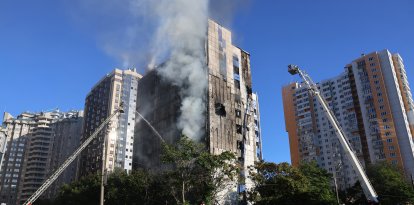
Cuba's electricity system collapses again, causing the third blackout this month
Cuban authorities attributed the failure to a malfunction in a unit of the Nuevitas thermoelectric power plant in Camagüey province, which triggered a chain reaction that brought the entire system down.

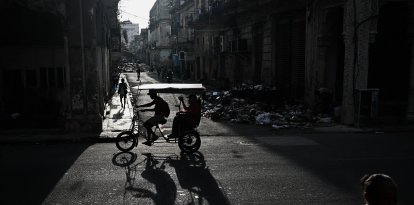
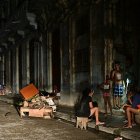
Street vendors in the Malecon in Havana during a blackout

Cuba's electricity system collapsed again on Saturday, leaving the entire island without power, marking the third blackout this month amid the deep energy crisis the country is experiencing under the Castro regime.
The total outage was confirmed by the Unión Eléctrica, under the Ministry of Energy and Mines of the country, which initially did not explain the causes. Later, Cuban authorities attributed the failure to a malfunction in a unit of the Nuevitas thermoelectric power plant in the province of Camagüey, which triggered a chain reaction that brought down the entire system.
The new blackout exposes the serious deterioration of the energy infrastructure under the management of the communist regime, which for years has been facing constant technical failures aggravated by widespread corruption and lack of investment and maintenance.
World
Opening to exiles on a dark island: Cuba seeks investment amid electricity collapse
Diane Hernández
In the last two years, power outages - both local and national - have become increasingly frequent, severely affecting the quality of life of Cubans.
To the already known structural fragility is added the fuel shortage, which has forced the Cuban regime to implement rolling blackouts of up to 12 hours a day in several regions, a situation that has generated massive protests on the island due to citizens' weariness with the lack of the most basic necessities.
The lack of electricity, in addition to damaging the quality of life of Cubans, also affects the preservation of food, labor activity and even the operation of hospitals, where, in some cases, surgeries have been suspended, according to local reports.

World
Rubio: los anuncios de Cuba sobre una apertura a la inversión "no son suficientemente drásticos"
Virginia Martínez
Dictator Miguel Díaz-Canel also acknowledged that Cuba has not received oil from external suppliers for the past three months, which further aggravates the energy crisis.
Currently, the island barely produces enough fuel to meet 40% of its needs.
The Cuban regime, however, insists on blaming the United States for the situation, arguing that sanctions and restrictions on oil supply have deepened a problem that is nothing new in Cuba.
These U.S. sanctions were reinforced following President Donald Trump's warnings to countries that trade fuel with the island.
Meanwhile, the drop in oil support from Venezuela, historically one of Havana's main allies until the capture of former dictator Nicolas Maduro, has contributed to energy shortages.
The U.S. government, however, has given the Cuban regime a way out: an eventual easing of sanctions in exchange for the release of political prisoners and reforms toward greater economic and political openness, demands that, so far, have been rejected by the Castro authorities amid intense pressure from Washington.
LATEST