Outsider lawyer Abelardo de la Espriella rattles Petro, Colombian left after forcing second round
Unlike most of the aspirants who have reached the decisive stages of a presidential election, De la Espriella built his career away from the traditional parties. He has never held elected office or been part of national governments, a condition he used during the campaign to present himself as an alternative to the established political class.
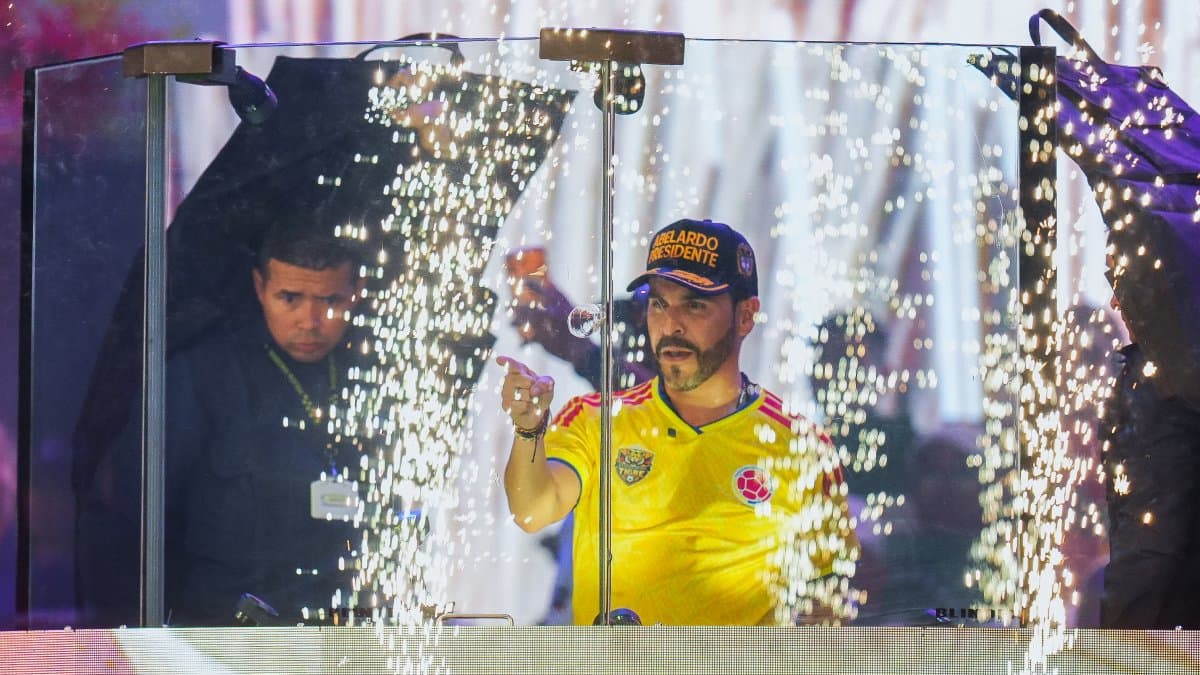

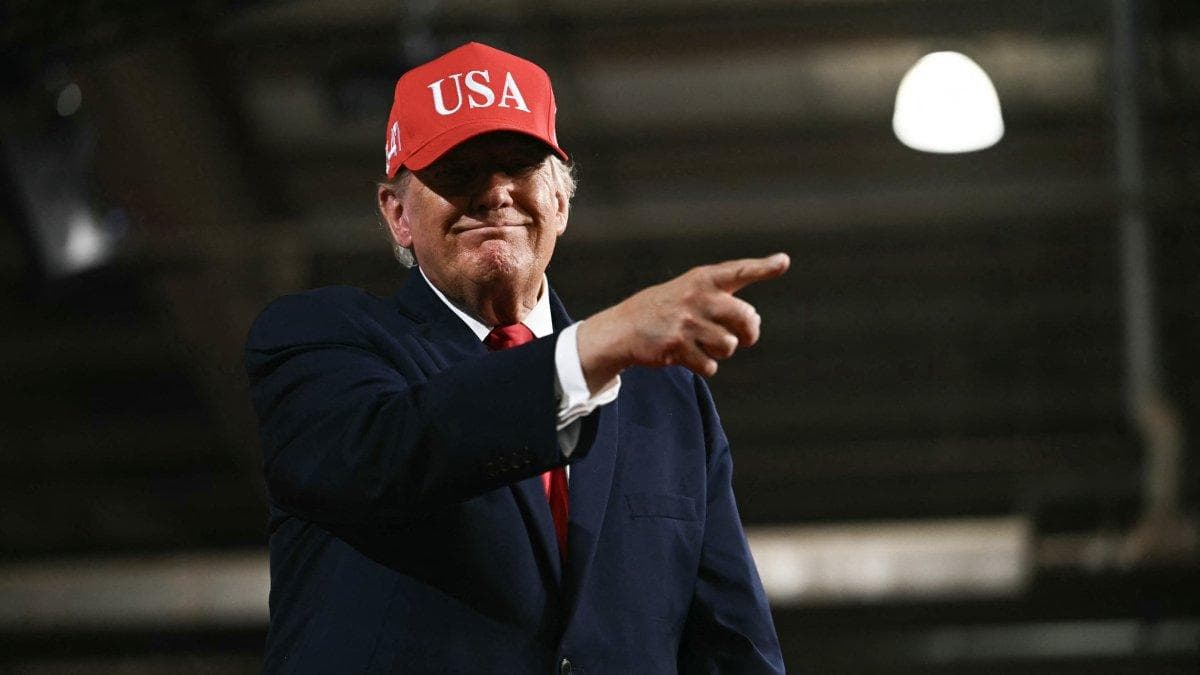
Abelardo de la Espriella went from the courts and television studios to the country's most important political stage. The criminal lawyer, known for years for his media presence and for representing high-profile figures, managed to become the most voted candidate in the first presidential round and will compete for the Presidency of Colombia in the second round.
Unlike most of the aspirants who have reached the decisive stages of a presidential election, De la Espriella built his career away from the traditional parties. He never held elected office nor was part of national governments, a condition he used during the campaign to present himself as an alternative to the established political class.
Born in Bogotá in 1978 and raised in Montería, he developed an extensive career as a criminal lawyer and businessman. His name began to gain national notoriety for his participation in cases of high public impact, which made him one of the most recognized figures in the Colombian legal arena.
His foray into politics took shape with the creation of the Defensores de la Patria movement, where he promoted a platform focused on security, state authority and the defense of conservative principles. Throughout the campaign he insisted on the need to fight criminal organizations more firmly and questioned the policies of negotiation with illegal armed groups.
The magnitude of his rise was reflected at the polls. As highlighted by the newspaper El Tiempo De la Espriella surpassed 10 million votes in the first round and became the candidate most supported by Colombians on election day, a result that consolidated him as the main referent of the right wing in the runoff.
Much of his support came from voters dissatisfied with the traditional parties and concerned about the deterioration of security in different regions of the country. His discourse, focused on public order, the reduction of state bureaucracy and the promotion of private initiative, was echoed by broad sectors of the electorate.
World
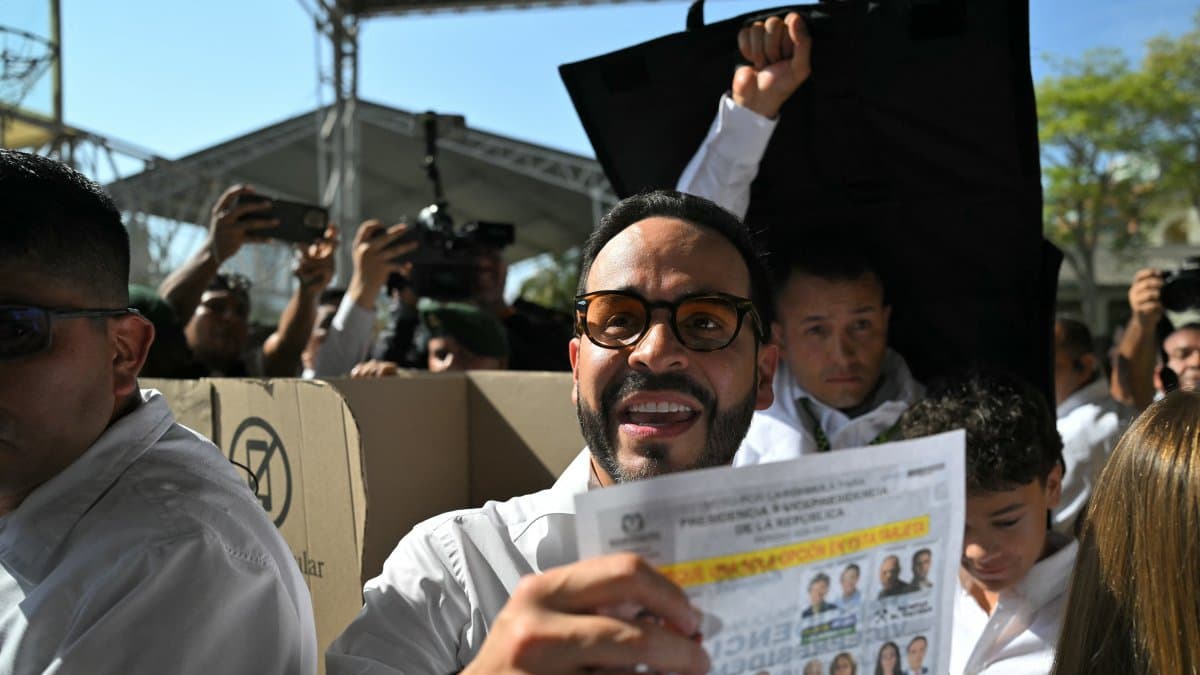
A right-wing outsider wins Colombia's presidential election and a polarized runoff is confirmed
Andrés Ignacio Henríquez
His critics point out some of the controversies that have surrounded his public and professional career, as well as the confrontational tone that has characterized part of his interventions. His supporters, on the contrary, consider that it is precisely this willingness to challenge consensus and confront the political establishment that explains a good part of his electoral growth.
Now, the lawyer who for years made headlines for his professional activity faces the biggest challenge of his career. After winning in the first round, Abelardo de la Espriella will seek to turn his unexpected political rise into a definitive victory.
Unity in the Colombian right wing
Sen. Paloma Valencia was one of the first to officially endorse the candidate, whom she will support in the final contest on June 21.
"I announce my support for Dr. Abelardo de la Espriella and I invite you to defeat Cepeda so that the neo-communism that prevails in this country does not continue," Valencia said, calling on supporters to remain "firm on the side of the ideas of freedom, progress and private initiative."
Former President Álvaro Uribe Vélez also confirmed the support of his political movement for the candidacy of the lawyer from Córdoba through a message broadcast on his official channels.
"Dr. Abelardo de la Espriella won. We kept our word. We will vote for him, and we ask you to vote for him and for Colombia, for the defense of the Constitution, of freedoms, of individual creativity, of social cohesion, of the fraternal economy, of the small and austere state," Uribe said, firmly warning that the country "cannot continue on the path of becoming a branch of Chavismo, of Petro and Cepeda."
The left threatens to disavow the result
Meanwhile, President Gustavo Petro rejected the preliminary results that give the victory to the right, arguing alleged technical failures in the data system:
"The so-called transmitted count has no binding force. its data are not public norm. As president I do not accept the results of the pre-count of the private firm of the Bautista brothers, because while the algorithms of the counting and scrutiny software should be still, in the last week they were varied three times and added 800,000 more cédulas of people who are not in the official census presented," said the president.
El llamado conteo transmitido no tiene fuerza vinculante. sus datos no son norma pública. Como presidente no acepto los resultados del preconteo de la firma privada de los hermanos Bautista, porque debiendo estar quietos los algoritmos del software de conteo y escrutinios, en la…
Petro also denounced the alleged existence of parallel rolls that would have irregularly altered the volume of the electorate. "There are two censuses at this moment, the official one and the one of the Bautista brothers' software that has 800,000 additional people," the ruler maintained.
🛠 Do you think there is an error in this article?
Recommendations



LATEST