Cuba seeks oil in Africa after US cuts off its access to Venezuelan oil
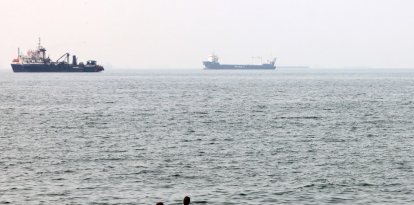
As reported by the independent media outlet 14ymedio, a Marshall Islands-flagged oil tanker, the Mia Grace, left the port of Lomé, Togo, on Monday and is scheduled to arrive in Havana on Feb. 4.
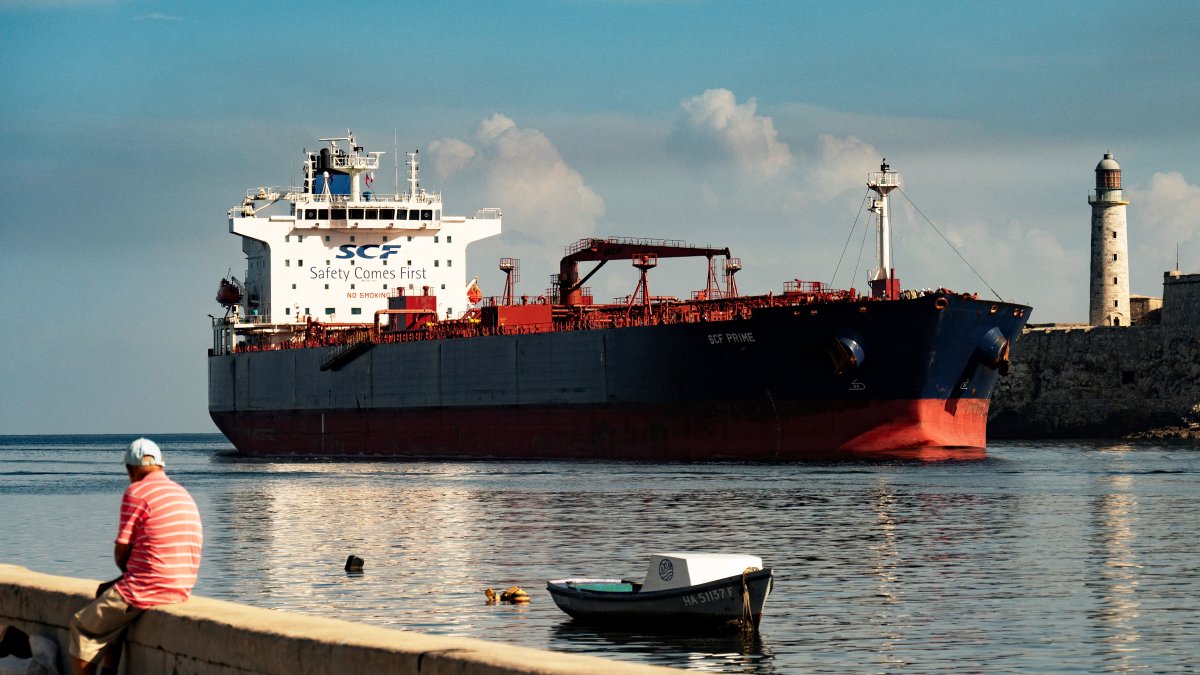
The Liberian-flagged oil tanker SCF PRIME arrives in Havana Bay (Archive).

Cuba has begun seeking fuel supplies in Africa to cope with the growing domestic energy crisis following the interruption of the flow of oil from Venezuela, its main supplier for the past 25 years, in a context of increased U.S. pressure on both allied regimes.
As reported by independent media outlet 14ymedio, a tanker flagged to the Marshall Islands, the Mia Grace, departed Monday from the port of Lome, Togo, and is scheduled to arrive in Havana on Feb. 4. The movement was detected by Jorge Piñon, energy expert at the University of Texas, from maritime monitoring systems.
According to Piñon, the vessel has a capacity of 50,000 tons, although the observed draft suggests that it is not fully loaded. The specialist estimates that it could be carrying around 314,500 barrels of diesel or 280,500 barrels of fuel oil, although he clarified that the exact nature of the cargo cannot be known with certainty. "Togo does not refine oil, but exports refined products and has an extensive logistics and maritime transit infrastructure," he explained to the digital media outlet.
Cash purchase and sanctions
Piñon indicated that the shipment could correspond to a spot purchase by Cubametales, the Cuban state-owned company in charge of oil imports and exports, through a European intermediary. Cubametales was sanctioned by the United States in 2019, during the first term of President Donald Trump, for facilitating the import of Venezuelan crude oil in exchange for defense, intelligence and security assistance to then-Venezuelan dictator Nicolás Maduro, now deposed.
14ymedio reports that the arrival of the Mia Grace is evidence of how the Cuban regime is trying to diversify its energy supply sources in the face of tightening U.S. sanctions and the loss of Venezuelan oil, which had been key to sustaining the island's electricity system.

Trump: "There will be no more oil or money going to Cuba"
The fuel search in Africa coincides with the recent announcement by President Trump, who last week assured that Cuba will not have access to oil or money if it does not reach an agreement with Washington.
"THERE WILL BE NO MORE OIL AND NO MORE MONEY GOING TO CUBA - ZERO! I strongly suggest they make a deal, BEFORE IT IS TOO LATE," Trump wrote on Truth Social.
">🚨I was born in Cuba & forced from home shortly after the Communist takeover.
— Rep. Carlos A. Gimenez (@RepCarlos) January 11, 2026
Today, I represent my community in Congress.
Thank you, President Trump, first Venezuela & next is Cuba. We will be forever grateful.
Our hemisphere must be the hemisphere of liberty! 🇺🇸🤝🇨🇺 pic.twitter.com/jQ8jqaUMbf
In December, about a month before that announcement, the United States seized a Cuba-bound oil tanker when it was sailing off the coast of Venezuela, in an operation that was part of the offensive against energy flows between Caracas and Havana.
Electricity crisis and widespread blackouts
Key units of the Mariel, Cienfuegos, Felton (Holguín), Renté (Santiago de Cuba) and Santa Cruz del Norte (Mayabeque) plants remain out of service, in addition, 101 of the more than 150 distributed generation plants are stopped due to lack of fuel, along with the Melones plant.
Regime officials said that the power outage would reach 60% of the country for prolonged periods.
Mexico's support is not enough to sustain the Havana regime
Not even the support of other partners, such as Mexico, has been able to alleviate the situation. In recent days, the oil tanker Ocean Mariner arrived on the island with 80,000 barrels of crude oil from Veracruz. According to Mexican media outlet Animal Político, the government of Claudia Sheinbaum exported oil products to Cuba in 2025 worth 10 billion Mexican pesos (about $556 million), a figure four times higher than that during the six-year term of Enrique Peña Nieto.
In spite of this, the Mexican president assured on Jan. 7 that "no more oil is being sent than has been sent historically," although she did not present concrete figures.
A critical and dark future
The weeks prior to the arrival of the African shipment are shaping up to be especially difficult for the Cuban population, which is facing prolonged blackouts, fuel shortages and an electrical system in critical condition. Analysts agree that, even if the Mia Grace arrives as planned, the estimated volume will not be enough to significantly reverse the structural energy crisis the island is enduring.
LATEST