US launches first joint operations against drug trafficking in Ecuador
The Southern Command confirmed the deployment to combat organizations designated as terrorists within the Latin American country, plunged in an escalation of violence linked to drug trafficking.
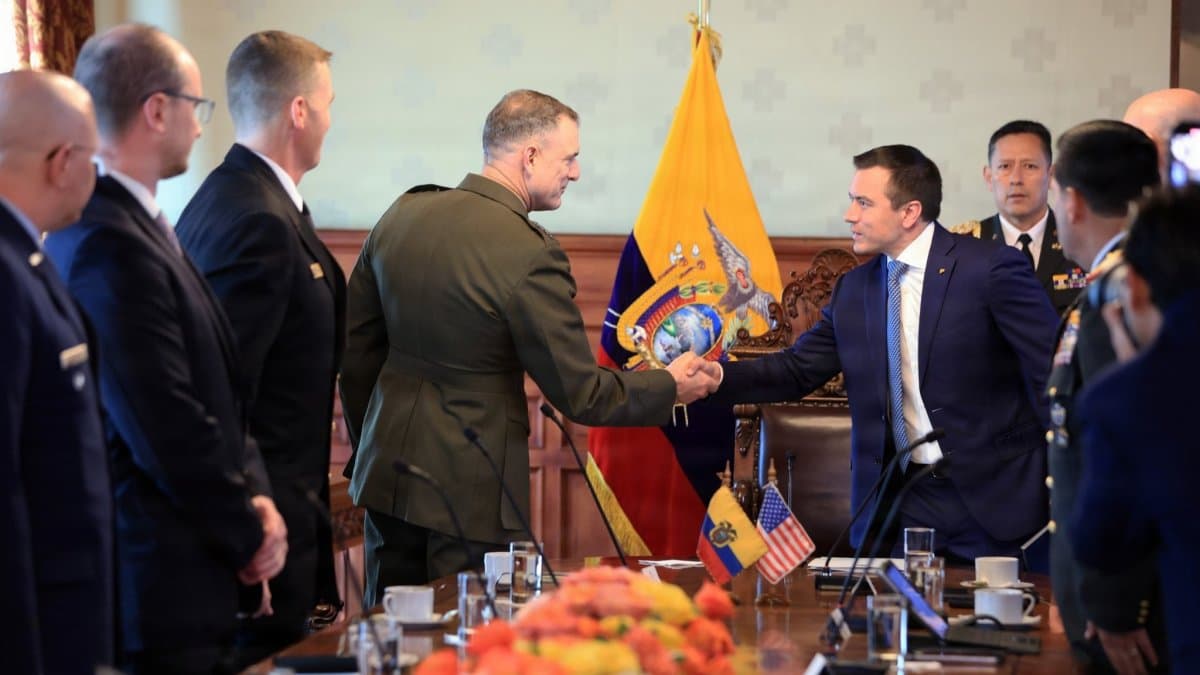

The Joint U.S. Counterdrug Operations in Ecuador have begun. Until now, U.S. forces had operated near the Andean country but never inside. This was confirmed by the Southern Command, the military command in charge of security in the region (the same one behind the attacks against alleged narco-boats in the Caribbean and the Pacific):
"Ecuadorian and U.S. military forces have launched operations against Designated Terrorist Organizations in Ecuador. The operations are a powerful example of the commitment of partners in Latin America and the Caribbean to combat the scourge of narco-terrorism."
Around 70% of drugs processed by Colombia and Peru, the world's first and second largest cocaine producers respectively, are shipped through Ecuador, according to AFP. Once one of the safest countries in Latin America, it has become one of the most dangerous due to a bloody turf war between drug trafficking groups.
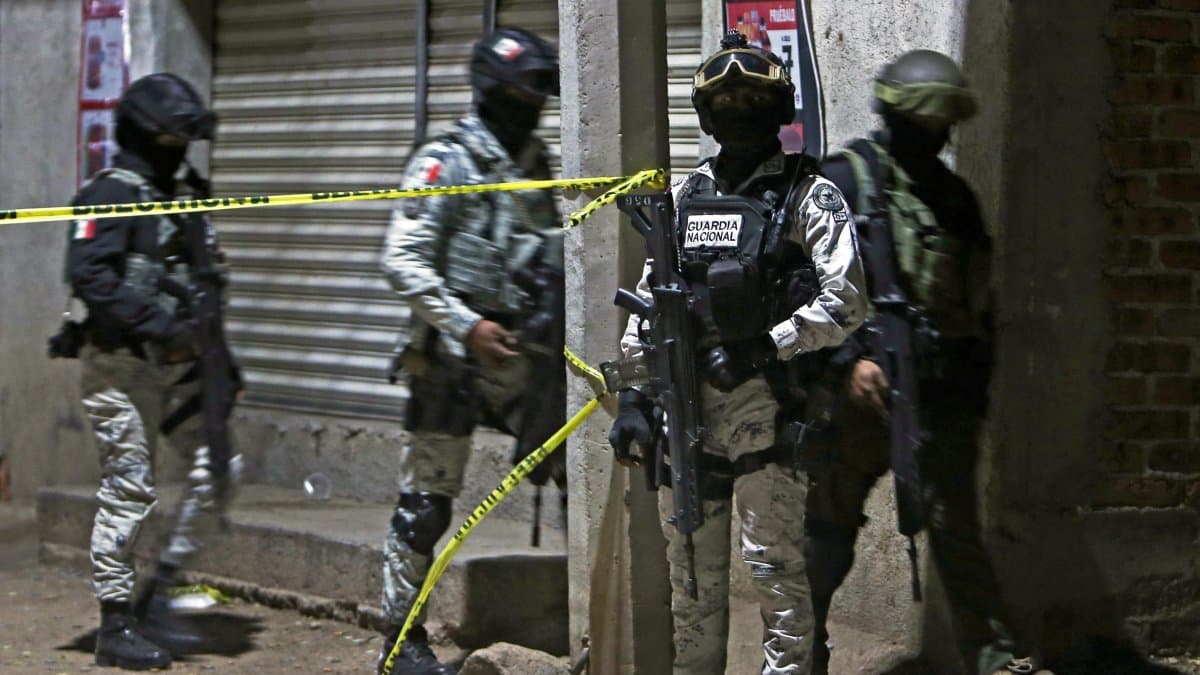
In September, the State Department designated two Ecuadorian gangs as terrorist organizations: Los Choneros and Los Lobos. "Their ultimate goal is to control drug trafficking routes through Ecuador by terrorizing and inflicting brutal violence on the Ecuadorian people," asserted the department in the designation statement, adding that both organizations had attacked or threatened officials, judges, prosecutors, journalists and security personnel.
Both Washington and Quito describe the new joint operations as another step in a collaboration that has been growing for years. In July, for example, Ecuador extradited Los Choneros ringleader Fito Macias to the United States: the first extradition of an Ecuadorian citizen to appear in U.S. courts.
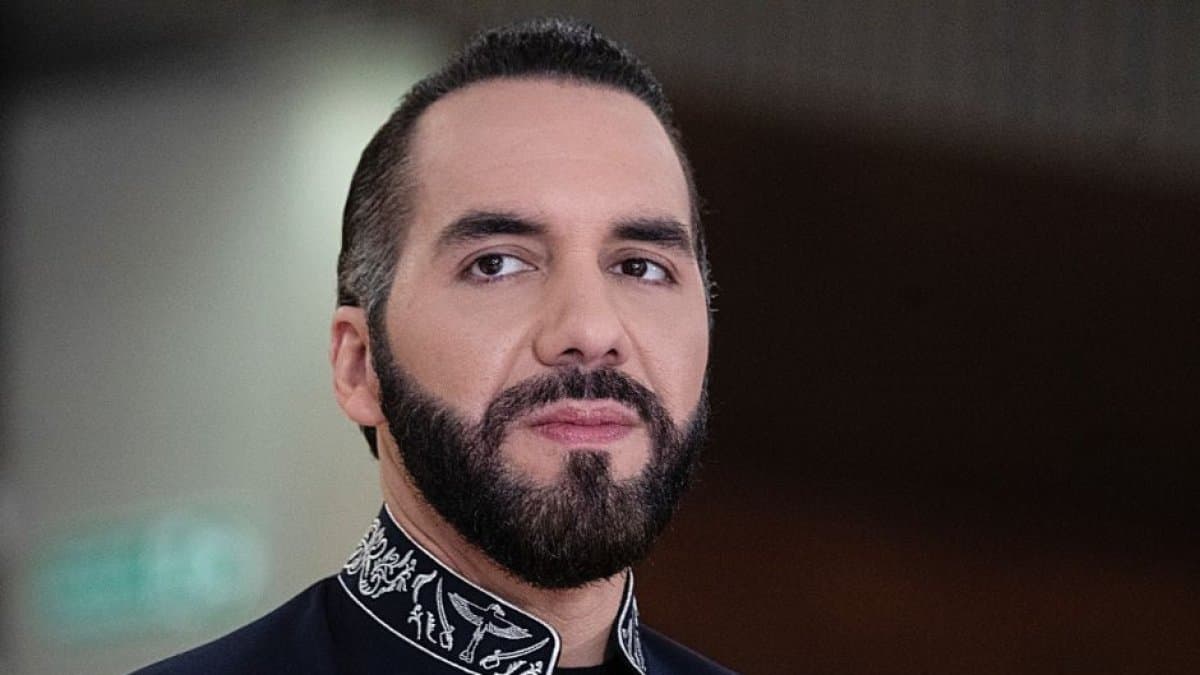
The collaboration in security matters was strengthened since the arrival of Daniel Noboa to the Presidency in 2023. This same week, his government announced that the Trump Administration would add men and equipment to the anti-cartel operations undertaken by a series of "allies in the region." "The security of Ecuadorians is our priority and we will fight to obtain peace in every corner of the country," promised Noboa in confirming the launch of the operations. "To obtain that peace, we must act with force against criminals, wherever they are."
On Monday, the Ecuadorian president met with Francis L. Donovan, head of the Southern Command, and Rear Admiral Mark A. Schafer, head of Special Operations Command South. According to the Ecuadorian Presidency, during the meeting they discussed plans for "information exchange and operational coordination" at airports and ports, as well as "joint initiatives to strengthen controls."
Just the News
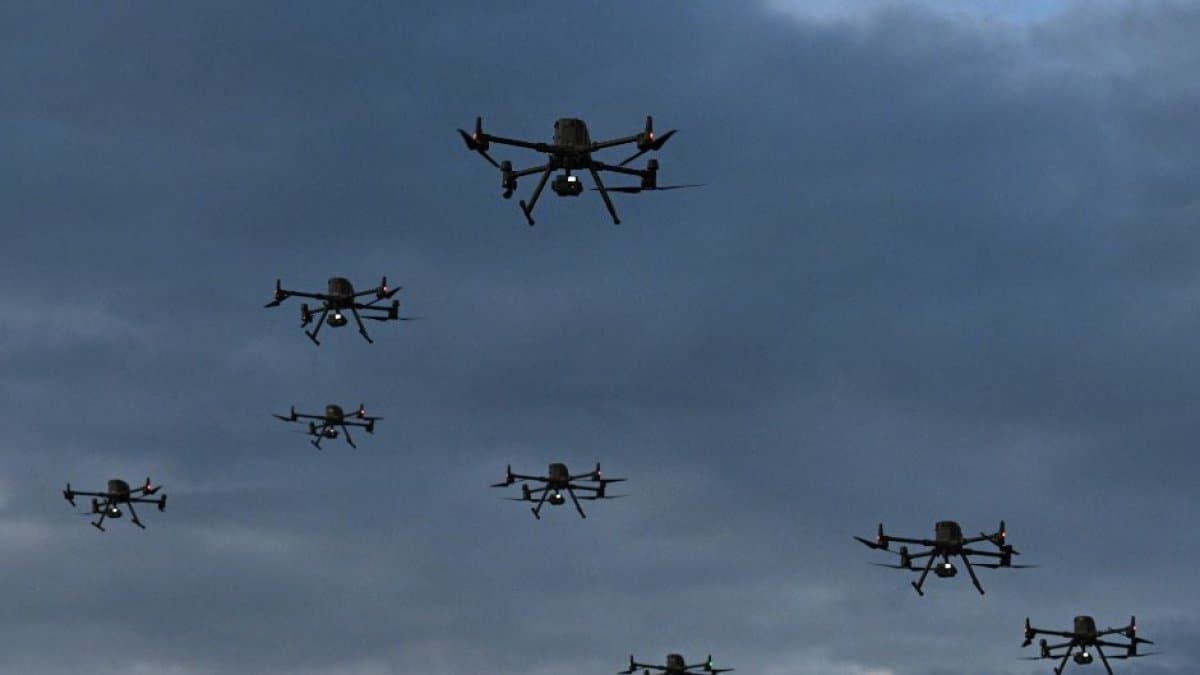
Combating terror from the skies: Trump’s team bolstering security to neutralize drone attacks
John Solomon
Ecuador's crime profile
Drug trafficking, the main criminal activity: "Illicit drug trafficking, mainly cocaine, continues to be the main expression of criminality," assures the report, which describes how narcotics trafficking has been consolidating. "The modalities of maritime, land and air transport have become more sophisticated in recent years, sustaining its exportation from Ecuador to the United States and Europe."A privileged geography for drug traffickers: "due to its strategic position between the countries with the highest cultivation rates - Colombia and Peru - Ecuador has become a hub of diverted globalization for this illicit market," the observatory states. Coastal areas are where more drugs have been seized, reinforcing the thesis of the country as a distribution center: they are "strategic sites with an exit to the Pacific."A growing and constantly changing industry: over the last few years Ecuadorian gangs went from "local gangs" dedicated to "common crime", with "low organizational capacity", to "international criminal organizations". In 2024, the Quito designated "terrorist group" status to 22 organizations. However, according to the observatory's report, "the fragmentations and atomizations of criminal groups make this understanding difficult."The three main actors: while describing a variety of linked organizations and individuals, the expert group defines three major actors each dedicated to a part of the transport chain. On the one hand, local criminal groups, such as Los Choneros and Los Lobos, control the territory (especially prisons and coastal areas), acting as "logistical providers for international drug trafficking." On the other hand, transnational criminal organizations, such as the Cartel Jalisco Nueva Generación, take advantage of these corridors to traffic drugs from Latin America to the world. And, finally, "corrupt actors," such as police and judges, facilitate the operations.
🛠 Do you think there is an error in this article?
Recommendations



LATEST