Daniel Noboa denounces the burning of documents at the Cuban Embassy in Quito after the expulsion of the diplomatic corps
The images show the use of a grill to incinerate papers, which generated questions about what was happening inside the diplomatic headquarters.
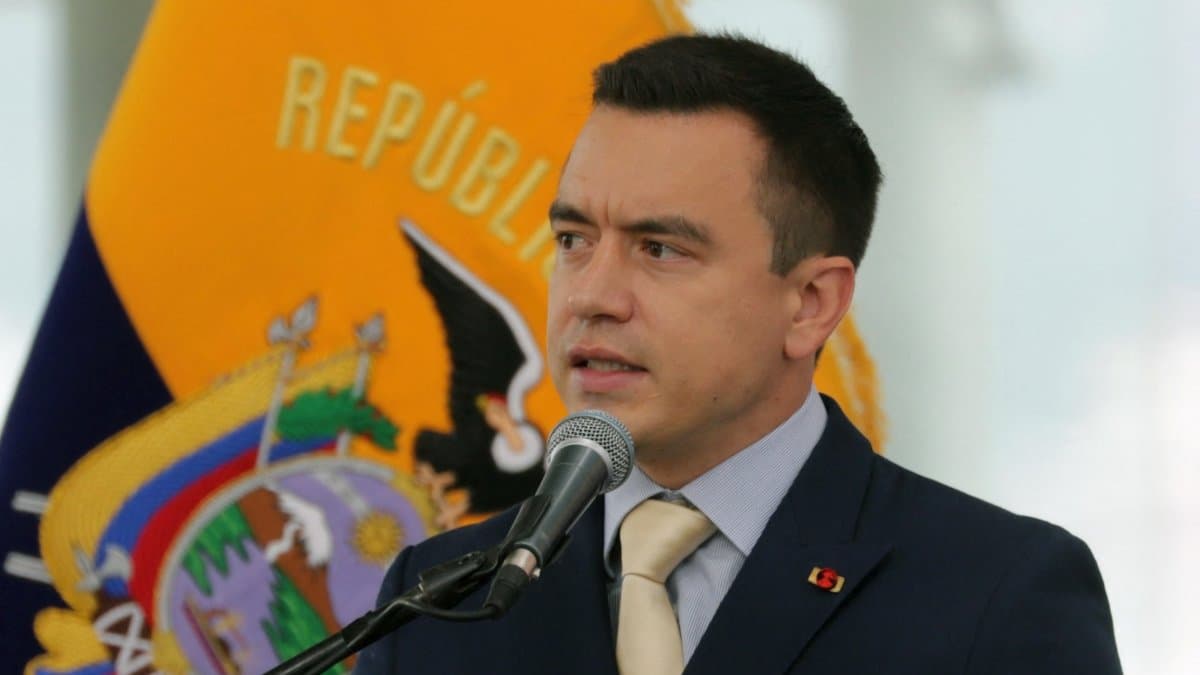

The president of Ecuador, Daniel Noboa, publicly denounced the burning of documents on the rooftop of the Cuban embassy in Quito, hours after his government declared the Cuban ambassador, Basilio Gutierrez, and all diplomatic, consular and administrative personnel of that mission persona non grata.
In a video broadcast by the president on the social network X, a person can be seen destroying papers in what he described as a "paper barbecue." The images show the use of a grill to incinerate documents, raising questions about what was happening inside the diplomatic headquarters amid the expulsion order.
Total expulsion of the Cuban mission
The Ministry of Foreign Affairs of Ecuador reported that all accredited personnel of the Cuban Embassy in Quito were declared persona non grata and have 48 hours to leave the country. The decision was based on Article 9 of the Vienna Convention on Diplomatic Relations.
In parallel, President Noboa ordered the return of the Ecuadorian ambassador in Havana, Jose Maria Borja, who held the post since 2021 and was also accredited to Jamaica, St. Vincent and the Grenadines and Dominica. With these measures, diplomatic relations between the two countries are interrupted.
Political reactions and accusations
The images shared by the President provoked immediate reactions in the political arena. The pro-government assembly member Lucía Jaramillo stated on social networks that the burning of papers on the roof of an embassy could only be interpreted as an attempt to destroy evidence. In addition, she argued that the images would confirm previous complaints about alleged signs of political espionage in Ecuador and suggested that Cuba and Venezuela would try to cover up activities linked to Correism, according to her criteria.
Cuba's response
The episode constitutes the most serious diplomatic incident between Quito and Havana since 1981, when Cuban troops entered the Ecuadorian Embassy to arrest opponents seeking asylum.
🛠 Do you think there is an error in this article?
Recommendations
LATEST