A report by Archivo Cuba points to possible captures of Cuban military personnel after the fall of Maduro
The document, signed by María Werlau, questions the official death toll of 32 Cubans recognized by Havana and suggests that this figure does not accurately reflect the real impact of the attack on the Cuban contingent deployed in Venezuela.
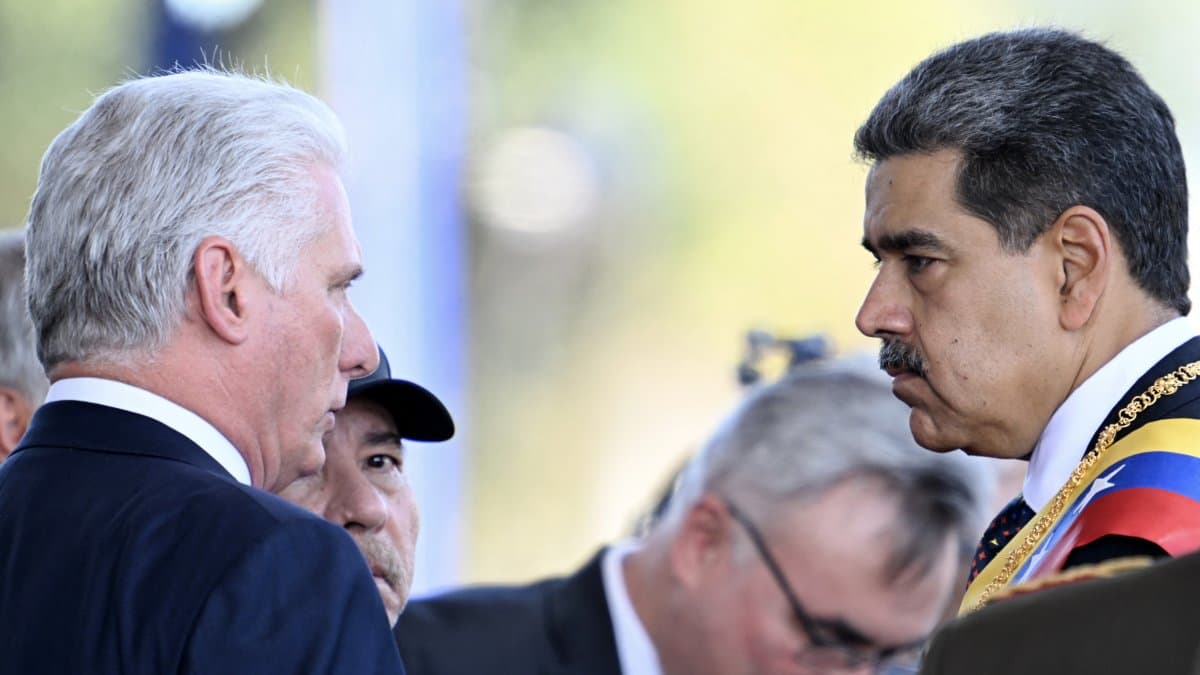

A report published by the organization Archivo Cuba states that several of the Cuban military personnel in charge of the personal security of Nicolás Maduro were captured by U.S. forces after the operation of January 3, in which the Venezuelan dictator was arrested and taken out of the country.
The document, signed by the researcher and executive director of the NGO, María Werlau, questions the official toll of 32 Cubans killed acknowledged by Havana and suggests that this figure does not accurately reflect the real impact of the attack on the Cuban contingent deployed in Venezuela.
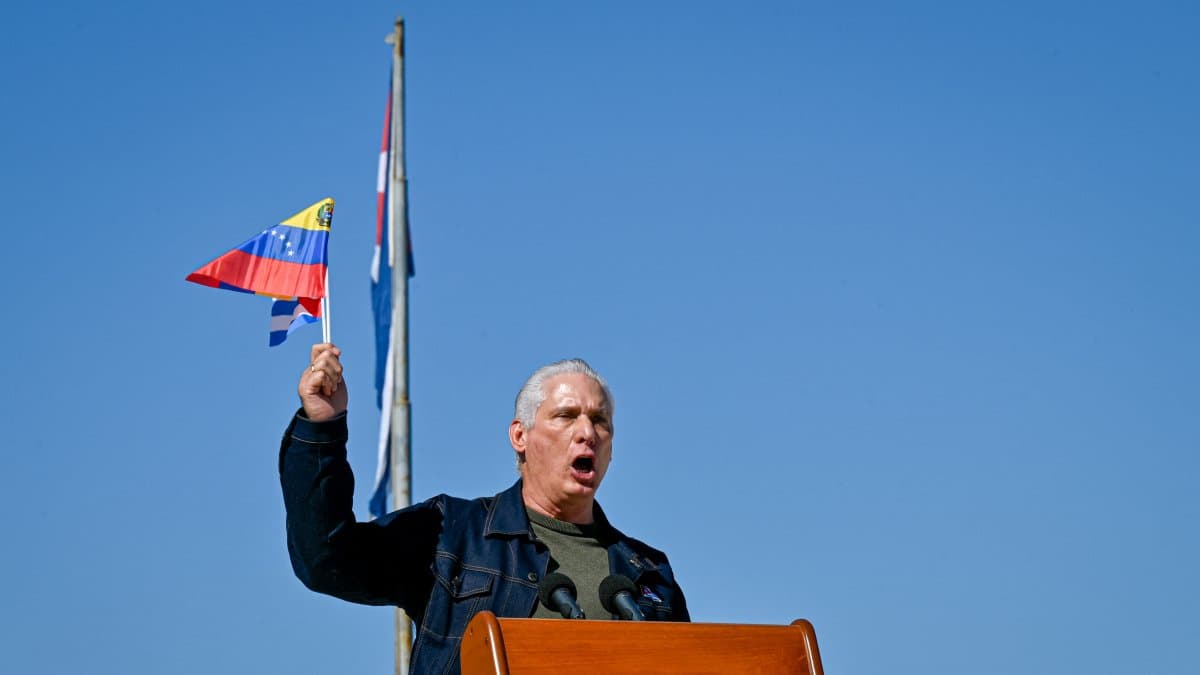
A contingent of at least 140 troops
According to the report, the dead and wounded Cubans were part of a group estimated at 140 troops, mainly belonging to the Directorate of Personal Security of the Cuban Ministry of the Interior, with support from other divisions of the same agency and the Cuban Armed Forces.
These elements served not only in Maduro's immediate security detail, but also in other areas of the Tiuna Fortress and in facilities that were targeted by U.S. bombings.
Archivo Cuba gathers information from the Venezuelan journalist Casto Ocando, based in Miami, who maintains that the US forces had instructions to neutralize the Cubans in charge of preventing Maduro's capture, even by means of lethal use if necessary. According to these sources, some of these troops would have had orders to kill the president to prevent his arrest.
Indications of wounded and possible detainees
The report points out that the casualties recognized by Cuba do not coincide with the expected profile of the direct escort personnel, since many of the deceased were high-ranking intelligence officers of advanced age, suggesting that they were in other facilities and not directly protecting Maduro.
Archivo Cuba considers it probable that there were numerous wounded and possibly captured, who, according to unofficial sources, would have been transferred to the US naval base at Guantanamo for interrogation. However, the whereabouts of these military personnel has not yet been officially confirmed.
Some officers reportedly survived the attack. Among them is mentioned Lieutenant Colonel Euclides Bandera, of the Cuban Military Counterintelligence, who reportedly told relatives that he was saved because "he was not where he had to be." According to independent media, Bandera will continue to serve in Venezuela, with a salary of approximately US$6,000 per month.
See Cuba Archive's new 8-page report: “Cuba’s intervention in Venezuela: the sordid truth.” https://t.co/3t2xxkT5WS pic.twitter.com/gVf7zSPPtJ
An influence that persists
Beyond the events of January 3, the report warns that the Cuban regime's capacity for survival and interference should not be underestimated, describing it as a political and regional security risk with global implications.
Although the US operation exposed the vulnerability of a security system designed and supervised by Cuban intelligence, Havana's presence in Venezuela continues to be significant. Data cited by analyst Arturo Lopez-Levy estimates Cuban personnel in the country at some 20,000, including political advisors, doctors and other officials, in addition to between 5,000 and 6,000 military and intelligence agents. Archivo Cuba qualifies these figures, but considers that they cannot be ignored.
A historical control of the Venezuelan apparatus
The report points out that the events of October 3 evidenced the vulnerability of a security apparatus designed and supervised by Cuban intelligence. During the years of high oil revenues, Venezuela would have transferred to Cuba some $10 billion annually.
As for human presence, it is recalled that in 2012 Hugo Chávez recognized the existence of more than 44,000 Cuban collaborators, mainly in the health sector. By 2025, that figure would have been reduced to 12,930 Cuban doctors, although Venezuela continued to concentrate more than half of the Cuban medical missions in the world.
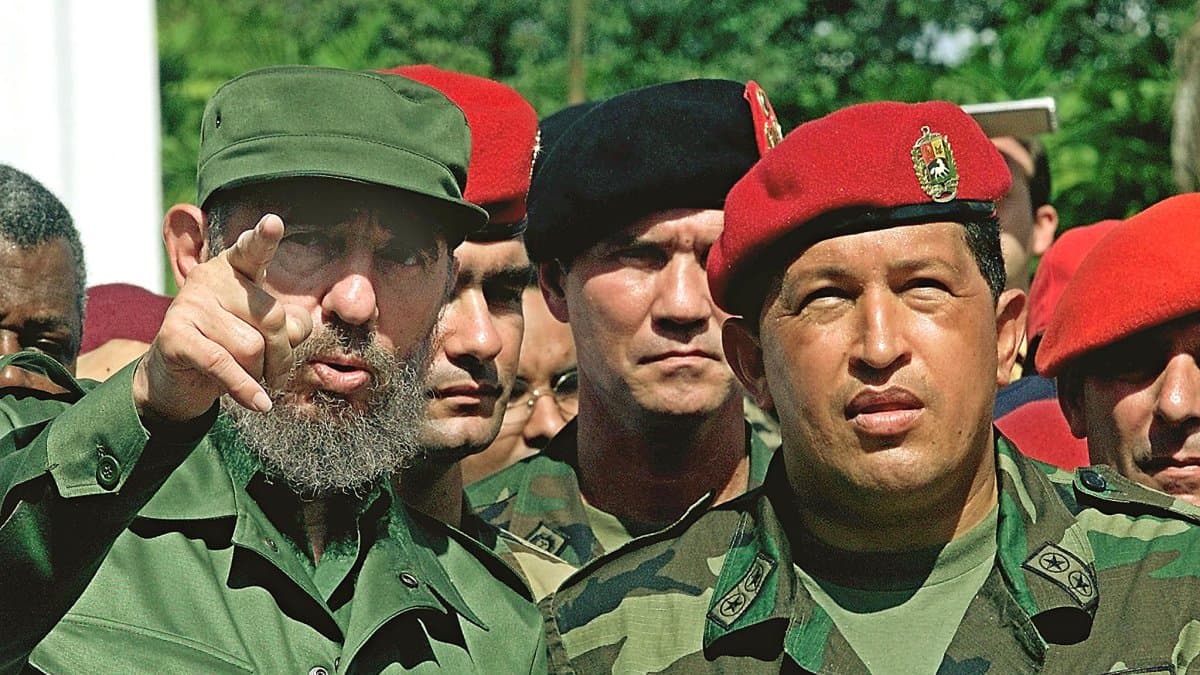
The document—which refers to another report, later published as a book in 2019 on the island's intervention in Venezuela—also mentions the alleged use of Cuban sanitation by Fidel Castro as a tool to influence Chávez and his entourage, described as a form of religious-cultural colonialism to manipulate decisions and perceptions, a practice that would have lost weight after the death of the former Venezuelan President.
🛠 Do you think there is an error in this article?
Recommendations
LATEST