OPEC + decided to increase oil production to reduce the impact of the closure of the Strait of Hormuz
The decision was taken at an emergency meeting held on Sunday, which was attended by only eight members: Saudi Arabia, Russia, United Arab Emirates, Kazakhstan, Kuwait, Iraq, Algeria and Oman.
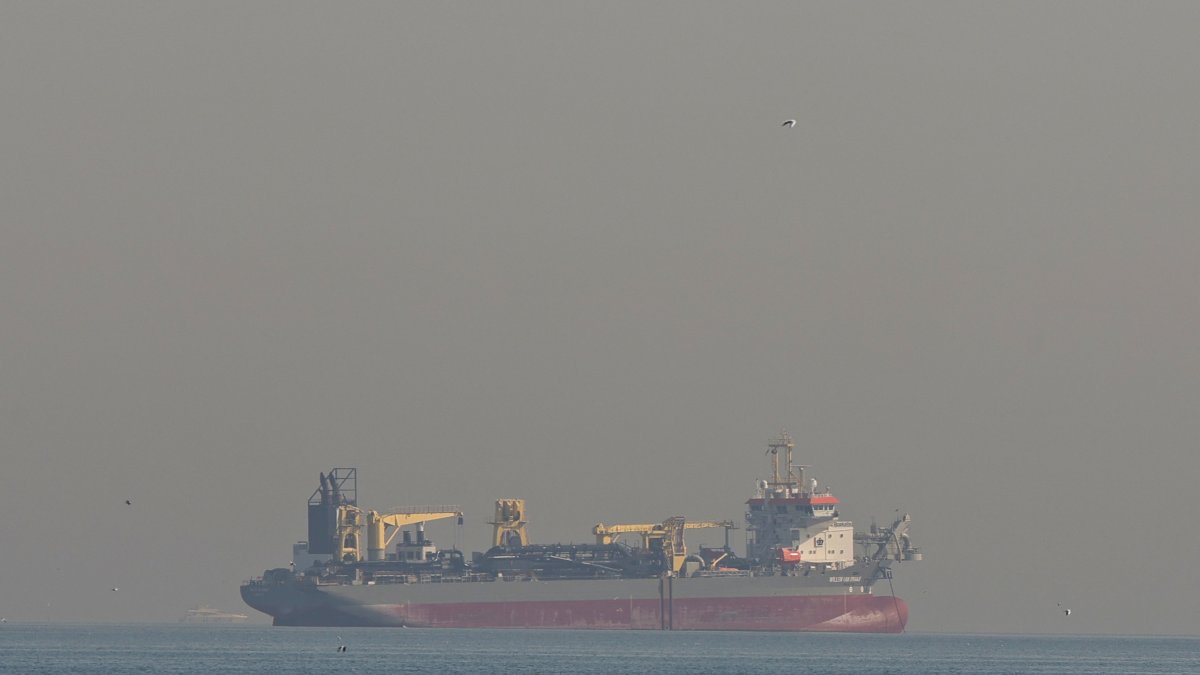
An oil tanker off the coast of Dubai/Fadel Senna.

The Organization of Petroleum Exporting Countries (OPEC+) announced an increase in oil production to mitigate the price impact of the shutdown of the Strait of Hormuz. Following the joint attack by the United States and Israel against Iran, the Persian country announced that it will forcibly prevent the passage of commercial vessels, which, if sustained, would lead to an increase in the price of oil worldwide.
To prevent the price from soaring, the alliance of countries will increase oil production by 206,000 barrels per day starting in April.
The decision was made at an emergency meeting on Sunday, attended by only eight members: Saudi Arabia, Russia, United Arab Emirates, Kazakhstan, Kuwait, Iraq, Algeria and Oman. This group of countries primarily supplies China and India, which are heavily reliant on imported commodities such as crude oil.

"This adjustment will be implemented in April 2026 as detailed in the table below. The 1.65 million barrels per day may be returned in part or in full subject to evolving market conditions and in a gradual manner," OPEC+ said in a statement.
"The countries will continue to closely monitor and assess market conditions, and in their continuous efforts to support market stability, they reaffirmed the importance of adopting a cautious approach and retaining full flexibility to increase, pause or reverse the phase out of the voluntary production adjustments, including reversing the previously implemented voluntary adjustments of the 2.2 million barrels per day announced in November 2023," it added.
Regarding the global importance of the Strait of Hormuz, approximately 21% of the world's oil and 23% of its liquefied natural gas (LNG) pass through it. For example, all of Iraq's, Kuwait's, and the United Arab Emirates' oil production, and two-thirds of Saudi Arabia's, pass through this narrow waterway.
What is OPEC+?
Its central objective is to coordinate production cuts or increases to influence global supply and, in turn, the international price of crude oil.
The group concentrates approximately half of the world's oil production.
LATEST