DOJ drops its defense of Trump's orders against law firms
The administration dropped its appeals of four separate federal rulings that had blocked directives against Susman Godfrey, Jenner & Block, Perkins Coie and WilmerHale.
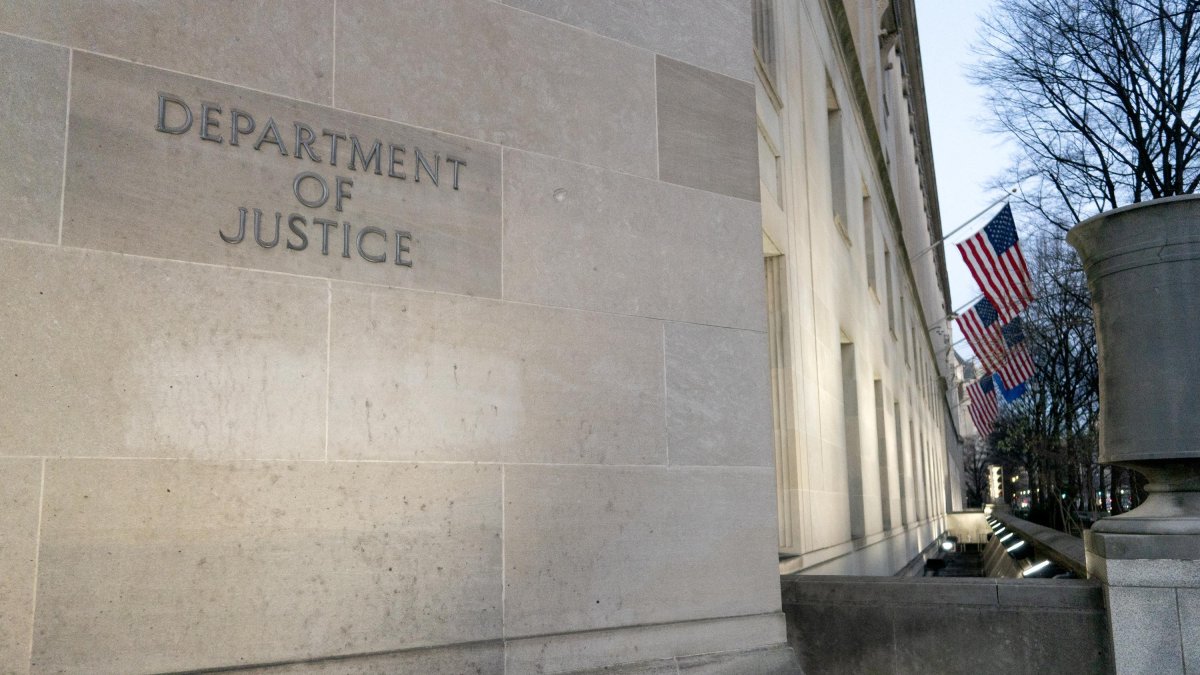
Department of Justice
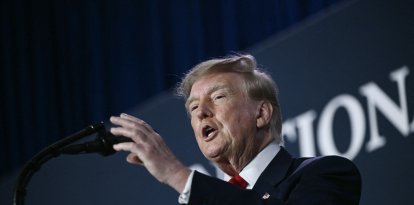
The Department of Justice (DOJ) on Monday withdrew its defense of a series of executive orders issued by President Donald Trump that targeted several prominent U.S. law firms. According to court records, the administration dropped its appeals of four separate federal rulings that had blocked directives against Susman Godfrey, Jenner & Block, Perkins Coie and WilmerHale. Late Monday, the agency's lawyers decided to file motions to voluntarily dismiss those appeals.
The four firms argued that the actions were retaliatory in nature, pointing to their past representation of political adversaries of Trump. WilmerHale previously employed former special prosecutor Robert Mueller, who led the investigation into Russian interference in the 2016 election; while Perkins Coie advised former Democratic Secretary of State Hillary Clinton during her 2016 presidential campaign and worked with an investigative firm linked to the Christopher Steele British ex-spy dossier controversy.
As argued by the four law firms, the executive actions sought to restrict all of its access to federal contracts, security clearances for its personnel and entry to government facilities, measures that, they have gone so far as to claim on several occasions, would significantly affect its operations.
Just The News
DOJ charges two alleged Tren de Aragua members in Massachusetts ATM malware case
Misty Severi
Shortly after the executive orders were issued, some other law firms reached agreements with the Trump administration to avoid similar orders punishing them, which included commitments to provide pro bono assistance to various causes with which Trump agreedand to eliminate diversity policies in their offices. After those agreements were finalized, however, many of those firms found the terms of the agreements unenforceable or not commensurate with what they thought they were agreeing to and quietly abandoned them.
In defending the orders, DOJ lawyers argued that Trump has broad authority to determine which entities can be entrusted with sensitive government information, arguing that the directives were in response to the president's concerns about the firms. However, federal judges rejected that approach. One court even described the attempt as an effort to "chill legal representation the administration doesn’t like," warning that upholding the orders would be "unfaithful to the judgment and vision of the Founding Fathers."
LATEST