ANALYSIS
Havana regime admits its military presence in Venezuela: 32 Cubans died ‘guarding’ Maduro
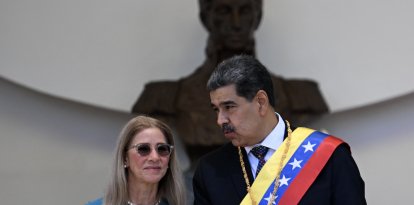
The capture of the dictator—transferred together with Cilia Flores to New York to face drug trafficking and terrorism charges—directly exposed the degree of involvement of the Cuban regime in sustaining the Venezuelan dictatorship.
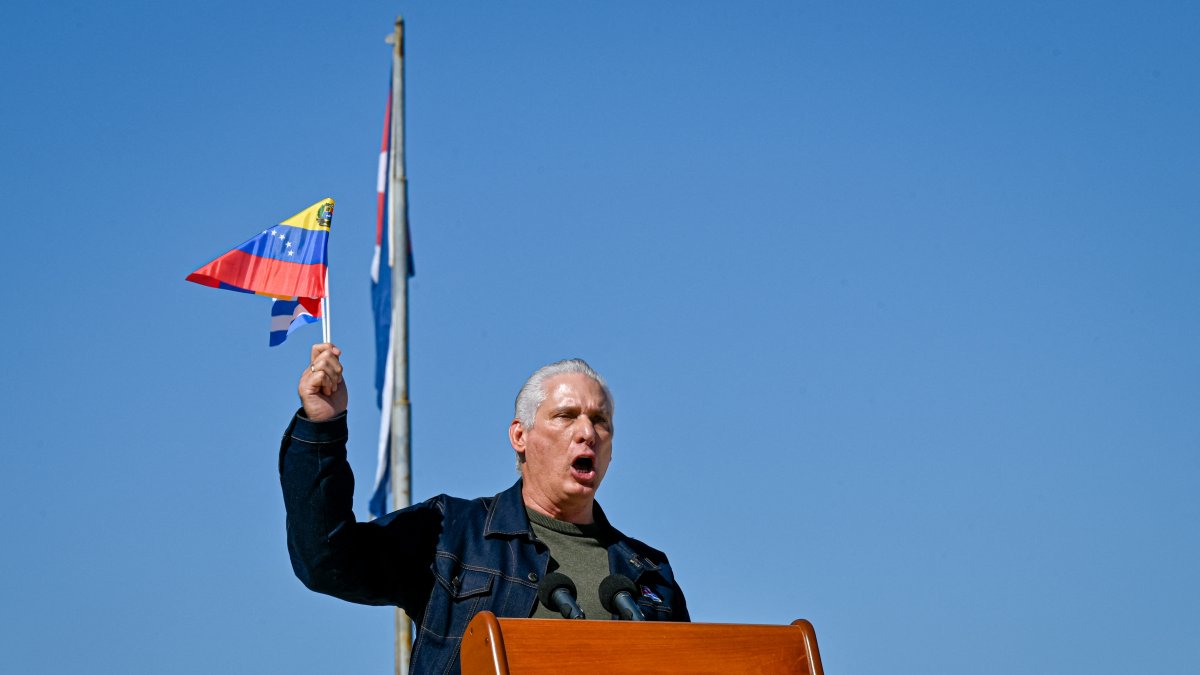
Cuban dictator Miguel Díaz-Canel after Maduro's capture.

The official confirmation of the death of 32 Cuban military personnel during the U.S. military operation that culminated in the capture of Nicolás Maduro marked a historic turning point: the regime in Havana acknowledged for the first time the active presence of Cuban troops in Venezuela, something it systematically denied for more than a decade.
The admission came Sunday, Jan. 4, 2026, through Cuban Television's Noticiero Estelar and direct statements by dictator Miguel Díaz-Canel, who acknowledged that the deceased were "Cuban combatants" who were fulfilling "missions on behalf of the Revolutionary Armed Forces (FAR) and the Ministry of the Interior (MININT)."
">Honor y gloria a los bravos combatientes cubanos que cayeron enfrentando a terroristas en uniforme imperial, que secuestraron y sacaron ilegalmente de su país al Presidente de #Venezuela y esposa, cuyas vidas ayudaban a proteger los nuestros por solicitud de esa hermana nación. pic.twitter.com/kJmhFjY5Zn
— Miguel Díaz-Canel Bermúdez (@DiazCanelB) January 5, 2026
Cuba also decreed national mourning on Jan. 5 and 6.
From absolute denial to forced recognition
The official Cuban position had been, until now, one of total denial. In May 2019, Johana Tablada, deputy director general of the General Directorate of the United States of the Cuban Ministry of Foreign Affairs, categorically assured that "there are no Cuban troops in Venezuela." That statement was publicly sustained despite the fact that since at least 2008 there were firm indications—and opaque bilateral agreements—of military and intelligence cooperation between both regimes.
Other important figures of the regime have also denied, even before international organizations, the presence of Cuban agents in the South American country.
The death of the 32 Cubans in "combat action" made that narrative untenable.
According to the official statement from the Castro regime, the soldiers "fell in direct combat or as a result of bombings," which confirms that they were not civilian advisors or technical cooperation, but armed personnel deployed in a theater of operations.
Maduro's security ring
Different analysts had been pointing out for years that Maduro's first personal security ring was mostly made up of Cubans, including intelligence agents, which Caracas and Havana had never confirmed.
The Cuban leader reinforced this by writing on X that the deceased "helped protect the president of Venezuela and his wife," and that they died "confronting terrorists in imperial uniform," in reference to the U.S. forces.
Confirmation from Washington
Havana's statements came hours after President Donald Trump publicly confirmed that during the military operation, "many Cubans died" who were protecting Maduro. The capture of the dictator—transferred along with Cilia Flores to New York to face drug trafficking and terrorism charges—directly exposed the degree of involvement of the Cuban regime in sustaining the Venezuelan dictatorship.
Sources quoted by international media sources estimate that some 70 people died during the operation, which included operations in Caracas and in the states of Aragua, Miranda and La Guaira.
World
Venezuela sent its largest quantity of oil to Cuba in September: 52,000 barrels per day
Diane Hernández
A strategic blow to Havana
Beyond the military dimension, the admission has profound political and strategic consequences for Cuba. The fall of Maduro implies the loss of its main regional ally and of the "oil for services" scheme that for years sustained the island in the midst of its economic crisis.
The recognition of casualties in elite units—FAR, MININT and intelligence services—also reveals a significant weakening of the Cuban security apparatus, while the island is enduring serious energy and social struggles.
The U.S. operation not only put an end to the Maduro government: it forced the Cuban regime to admit a long-denied truth and exposed the extent to which Havana had turned Venezuela into an extension of its strategy of political and military control in the region.
LATEST