ANALYSIS
Iran conflict raises oil prices, threatens to make gasoline more expensive
Industry analysts say volatility could remain as military operations unfold.
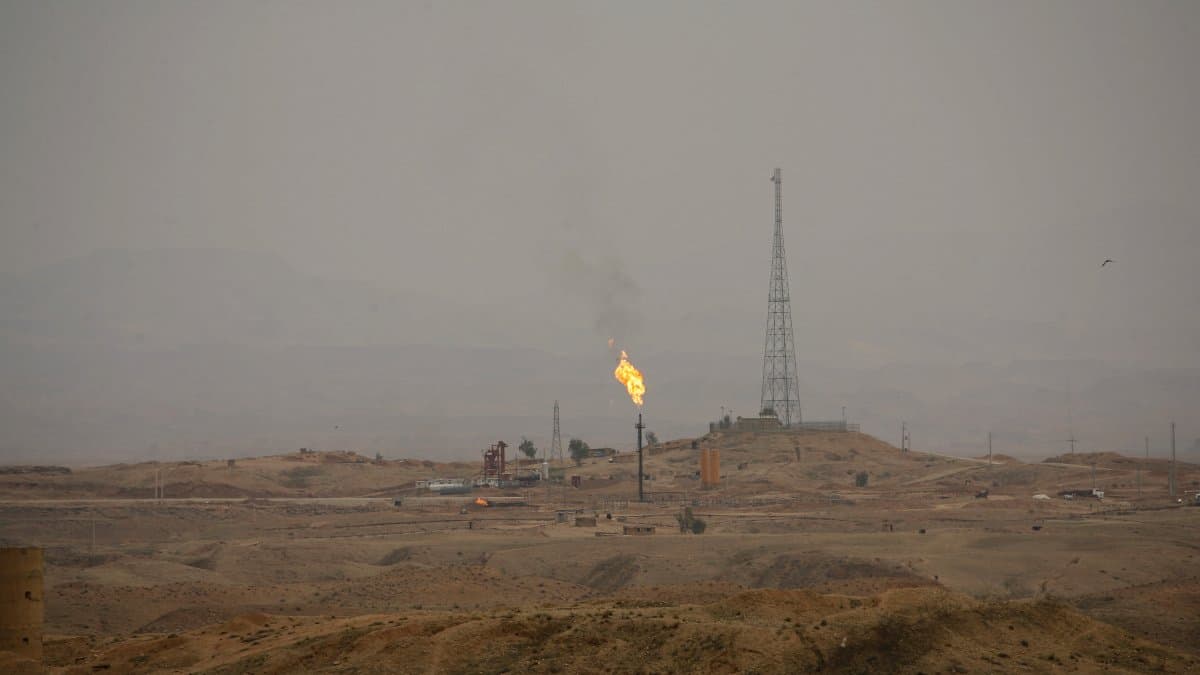

The attacks launched Saturday against Iran rattled international energy markets, raising the price of oil and generating new projections for increases at U.S. gas stations. Industry analysts say volatility could remain as military operations unfold.
Brent crude, the global benchmark, was trading this Monday afternoon around $77 a barrel, up from $71 a week ago and $66 a month ago. The move reflects markets' reaction to the escalation in a key region for global energy supply.
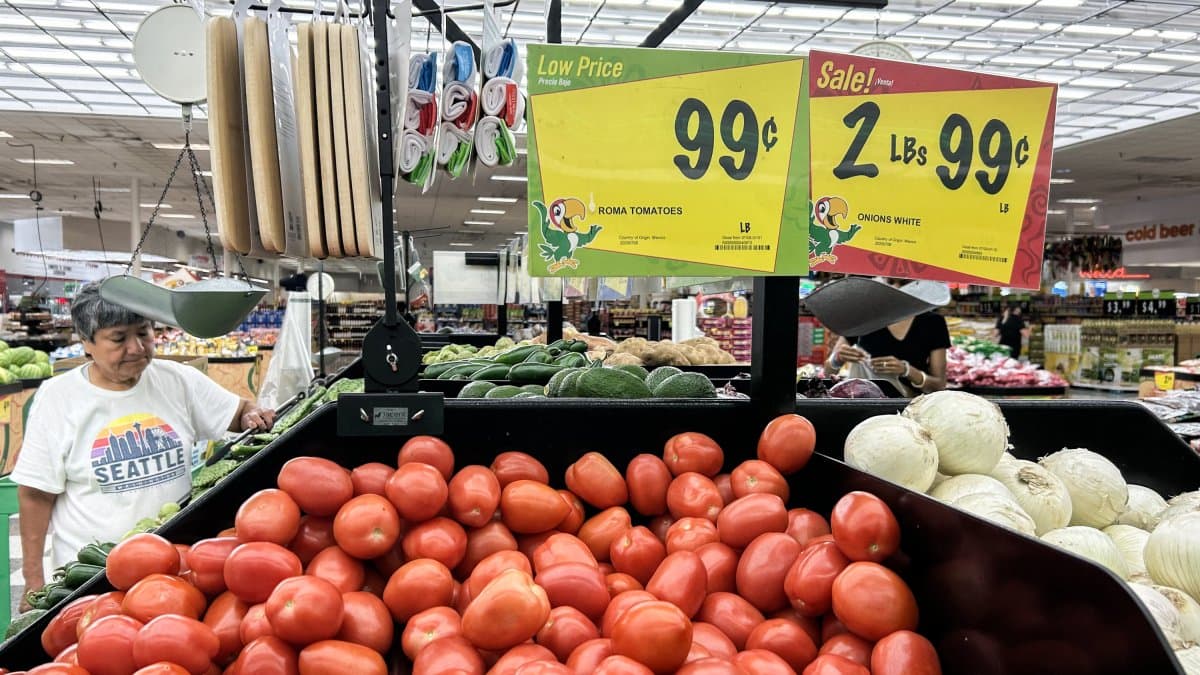
In the United States, the national average price of gasoline stood at around $3 a gallon on Monday, up 6 cents from last week and 12 cents above the level a month ago. Specialists anticipate that the adjustment could continue in the near term.
Spring gasoline projections
Patrick De Haan, head of petroleum analysis at GasBuddy, estimates that gasoline could rise an additional 10 to 15 cents within a week or two. That increase would coincide with the usual spring seasonal spike, when demand increases.
According to his calculations, by the time prices peak they could be 25 to 40 cents above current levels. Tom Kloza, chief petroleum analyst for Gulf Oil, projects that the national average could be between $3.25 and $3.50 per gallon this spring. Last year during the same period, prices ranged from $3.20 to $3.30.
Diesel could rise more sharply
Analysts also warn that diesel could see steeper increases than gasoline. Kloza believes prices could approach levels seen in 2022 following the surge in energy costs following Russia's invasion of Ukraine and estimates they could hover around $4 or more during the second quarter.
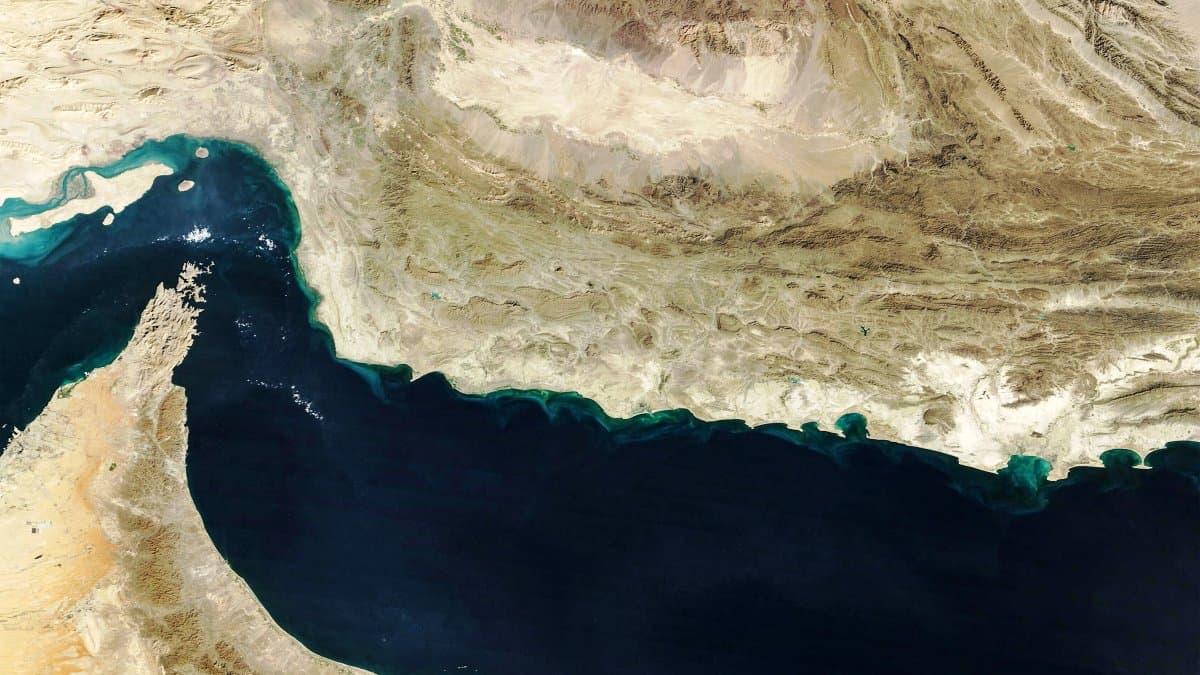
Market watchful of the Persian Gulf
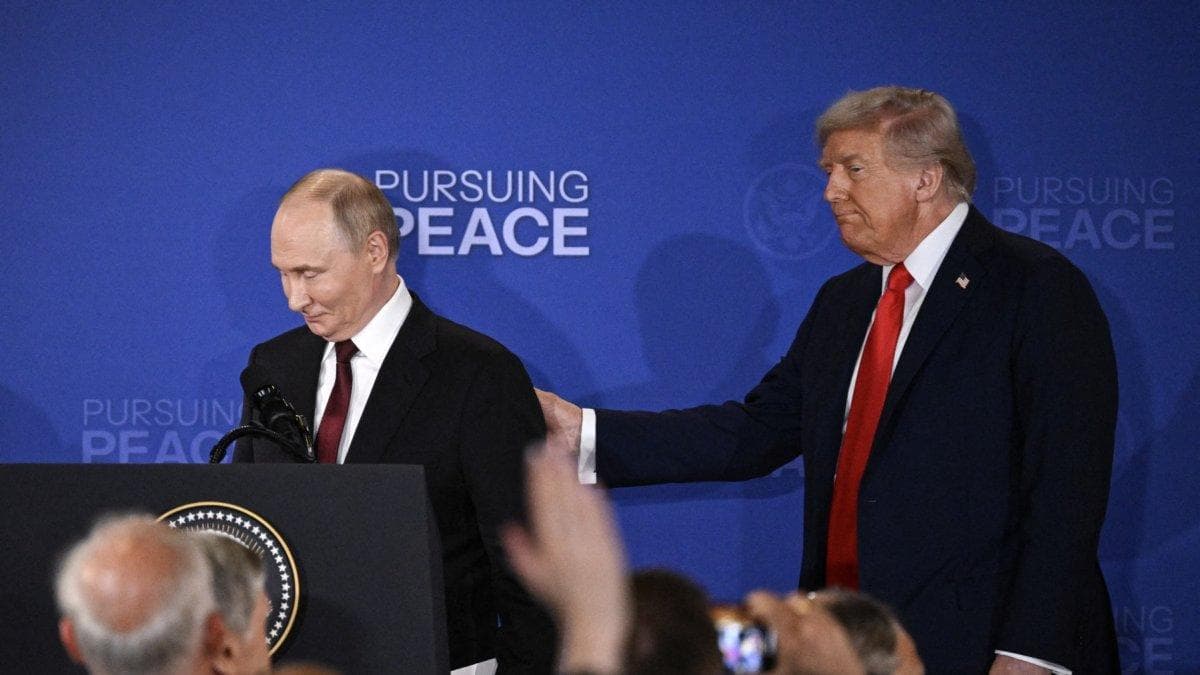
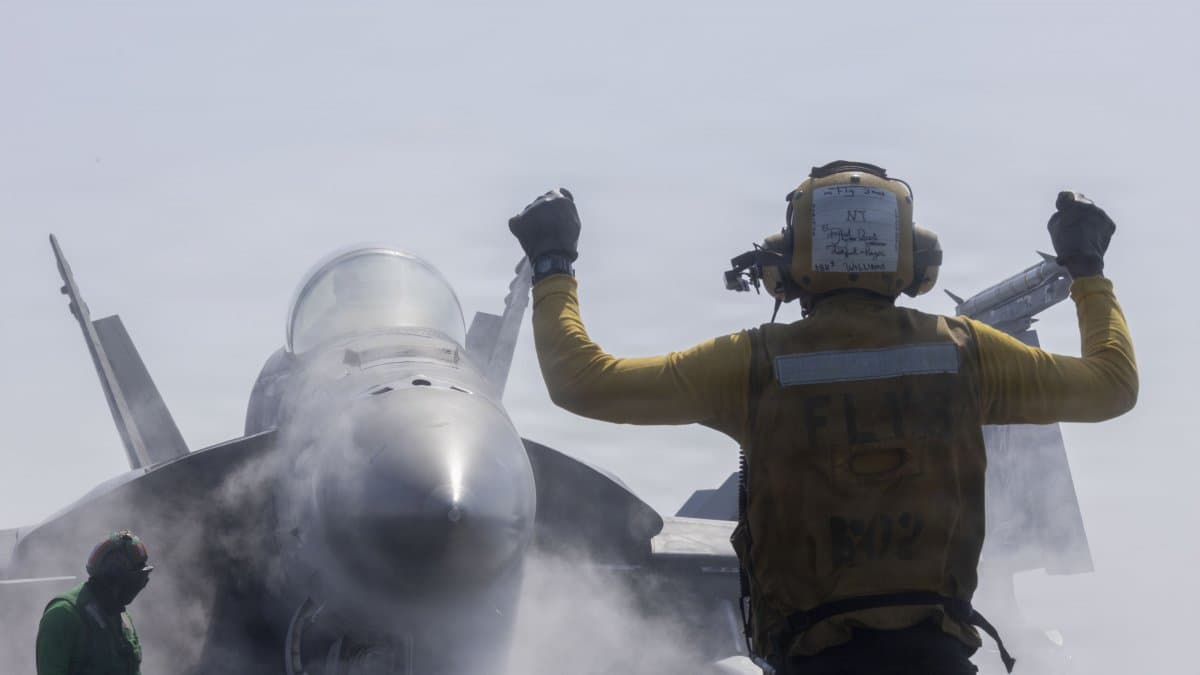
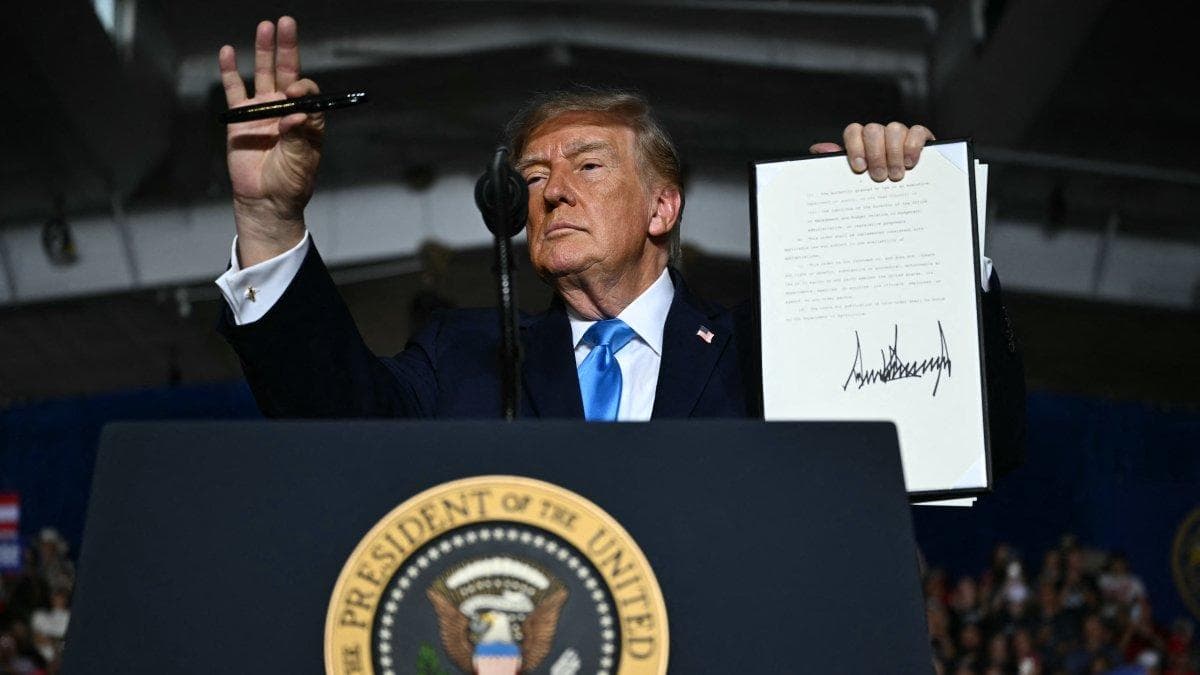
President Donald Trump indicated Monday that U.S. operations are planned for four to five weeks and said the country has the capacity to extend them if necessary. He also noted that the "big wave" of the operation has not yet taken place.
As the situation evolves, energy markets continue to react to developments in the region, with the focus on supply stability and the impact for U.S. consumers.
🛠 Do you think there is an error in this article?
Recommendations





LATEST