The Cuban regime arrests ten Panamanians for alleged 'subversive propaganda'
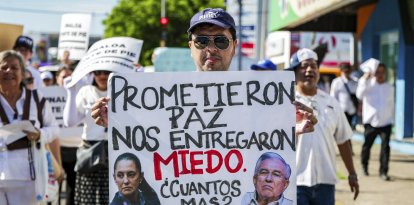
The Cuban Ministry of the Interior (Minint) assured in a communiqué broadcast by state television that the detainees entered the country "with the purpose of making signs with subversive contents contrary to the constitutional order."
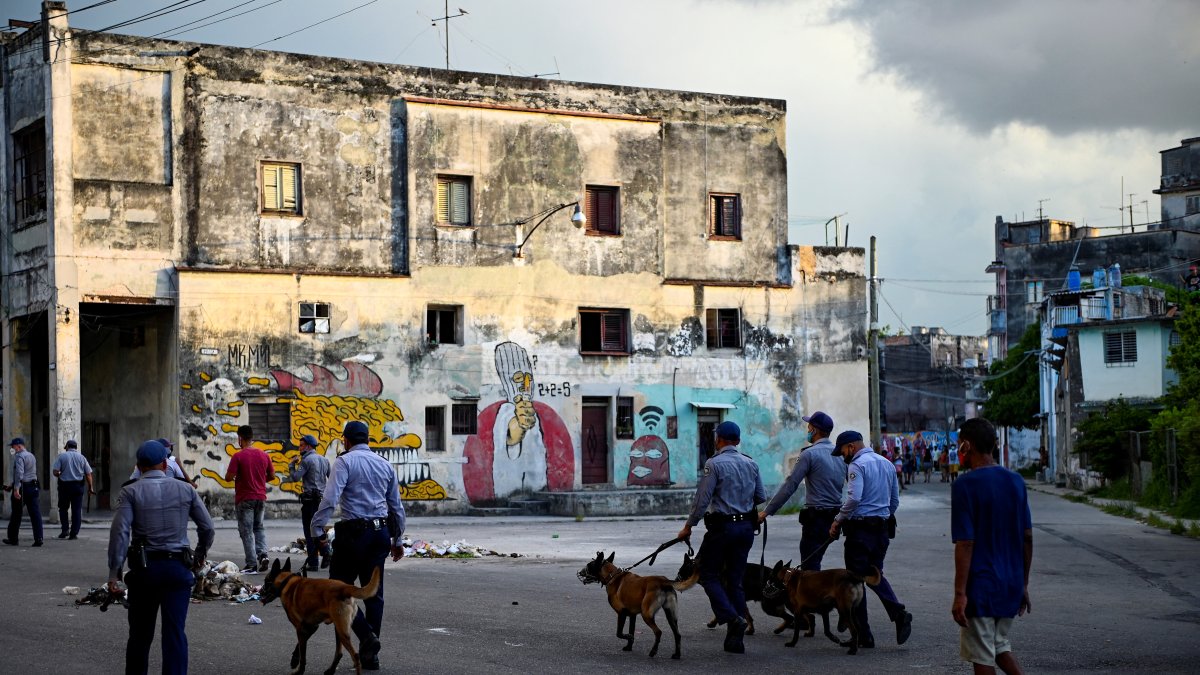
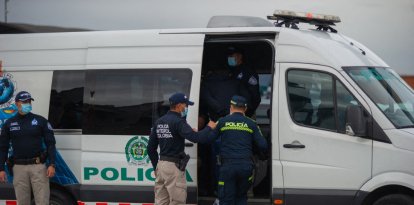
Agents of the Cuban regime in the streets of Havana (Archive)

The Cuban regime reported Monday the detention of ten Panamanian citizens accused of carrying out acts of "propaganda against the constitutional order," in an episode that occurs in a context of growing political and security tension on the island.
The Cuban Ministry of the Interior (Minint) assured in a statement broadcast by state television that the detainees entered the country "with the purpose of making signs with subversive content contrary to the constitutional order."
According to the official version of the Cuba dictatorship, those involved acknowledged the events that took place in Havana during the early hours of Saturday morning and had agreed to receive between 1,000 and 1,500 dollars each after returning to Panama.
Tense context and previous operation
The arrests came just three days after the Cuban coast guard attacked a boat from Florida with ten people on board, whom the island's authorities accused of trying to infiltrate the country for terrorist purposes. In the episode four of the boat's crew members were killed and the rest were injured and are still being detained.
Havana has linked both cases to the hardening of its discourse against what it describes as destabilizing actions promoted from abroad, at a time of friction with Washington.
World
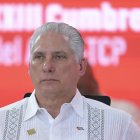
The Cuban regime reactivates the death penalty for those who "attempt against the State"
Diane Hernández
A broad crime under Cuban law
In Cuba, crimes related to "enemy propaganda" or "acts against state security" are criminalized broadly in the Penal Code and are often used against opponents, activists and independent journalists.
Human rights organizations such as Amnesty International and Human Rights Watch have for years documented the use of ambiguous criminal figures to repress political dissent on the island.
Following the mass protests of July 11, 2021, Miguel Díaz-Canel pushed through legal reforms that toughened penalties for crimes linked to public demonstrations, dissemination of information considered false, and actions against the "constitutional order."
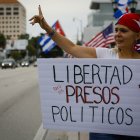
According to reports by independent Cuban organizations, more than 1,200 people remain imprisoned for political or protest-related reasons.
World
Cuba: Arbitrary arrests, torture and nearly 1,200 political prisoners at the end of 2025
Diane Hernández
Transparency regarding due process
In previous cases, activists and international observers have denounced confessions obtained under pressure and summary trials with few procedural guarantees.
Panama awaiting information
The Panamanian government has not yet issued a detailed statement on the situation of its citizens, although diplomatic sources indicated that information is being gathered through consular channels.
Meanwhile, the case adds a new chapter to the already delicate relationship between Cuba and the United States and puts the Cuban regime's use of state security offenses under the international spotlight once again.
LATEST