Taiwan warns that it 'will not accept' producing 50% of its semiconductors in the US
Vice Premier Cheng Li-chiun stated that this is a U.S. idea and that her "negotiating team has never committed to a 50-50 production split."

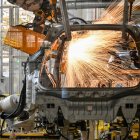
A base plate at the World Semiconductor Conference and Exhibition in Nanjing, China.

Taiwan "will not agree" to manufacturing 50% of its semiconductors in the United States, the island’s chief trade negotiator on tariffs said Wednesday, as Washington pressures Taipei to increase chip production on U.S. soil.
The remarks by the vice premier, Cheng Li-chiun, come after U.S. Commerce Secretary Howard Lutnick, said he had proposed to Taipéi a 50-50 split in the production of those electronic components.
Economy
Trump seeks to revive the manufacturing industry with the $550 billion Japan pledged for investment in the U.S.
Emmanuel Alejandro Rondón
"I want to clarify that this is a U.S. idea. Our negotiating team has never committed to a 50-50 production split," Cheng told reporters.
"Rest assured that we have not discussed this issue on this occasion and that no such condition will be accepted," he said.
Cheng was speaking in Taipei after returning from Washington, where he said negotiations on U.S. tariffs on Taiwanese exports "had made some progress."
In search of a trade deal
The democratically governed island is struggling to reach a trade deal with the Trump administration after the president imposed a temporary 20% tariff that has alarmed its factories.

Donald Trump also threatened to apply a "quite substantial tariff" on semiconductors entering the country.
Growing demand for artificial intelligence-related technology has boosted Taiwan's trade surplus with the United States, putting it in the Republican leader's crosshairs.
More than half of the world's semiconductors come from Taiwan
LATEST