Cyclosporiasis: What it is, how it spreads, and why authorities are monitoring a sharp rise in cases
The intestinal disease caused by the Cyclospora cayetanensis parasite has seen an unusual spike in the United States. Health authorities are investigating possible sources of contamination while noting that diagnosis requires specific tests and that treatment is effective if the disease is detected early.
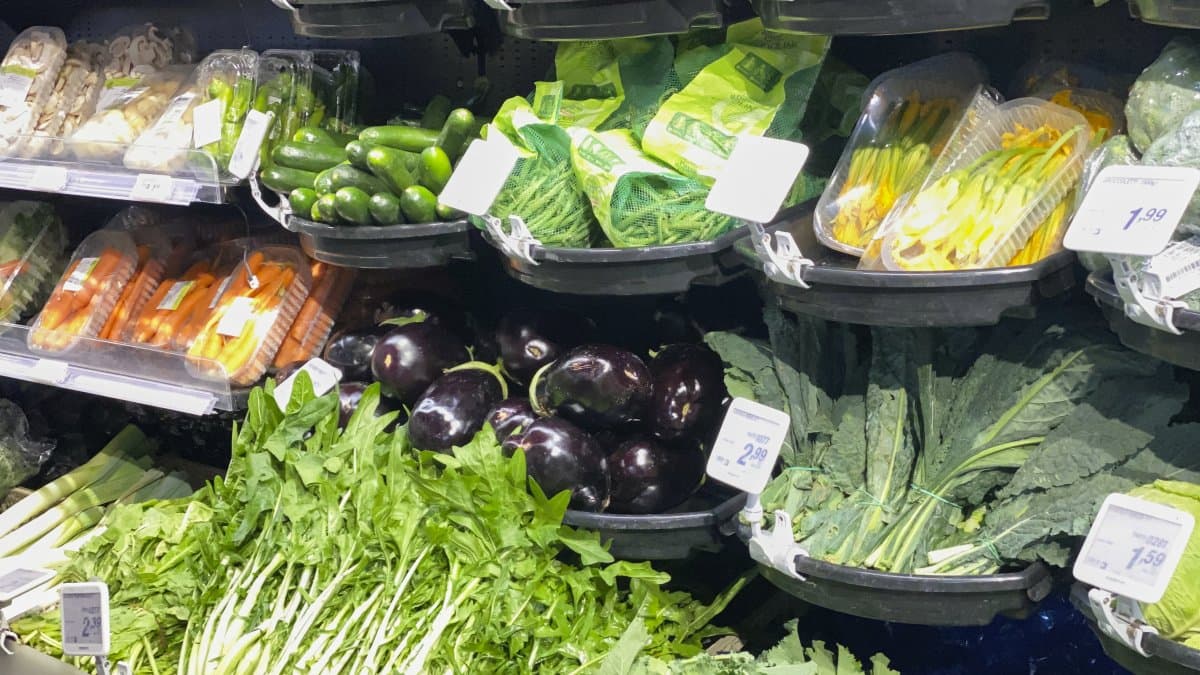

The country is facing a significant increase in cases of cyclosporiasis, an intestinal disease caused by the microscopic parasite Cyclospora cayetanensis, which is transmitted primarily through the consumption of food or water contaminated with human feces.
The Centers for Disease Control and Prevention (CDC) have warned of an increase in infections during the current season, while investigations continue to identify the source of several outbreaks associated with fresh produce. According to recent data cited by The New York Times, the country could see the highest number of cases in 2026 since modern surveillance of this disease began.
Although most patients make a full recovery with treatment, specialists warn that the disease can last for weeks and even recur if not treated properly.

What is cyclosporiasis?
Cyclosporiasis is an intestinal infection caused by the parasite Cyclospora cayetanensis, a single-celled organism that completes its life cycle in humans.
Unlike other intestinal parasites, infected individuals shed oocysts (rather than eggs) in their stool. However, these are not immediately infectious: they must remain in the environment for one to two weeks to mature before they can infect another person.
For this reason, experts believe that direct person-to-person transmission is highly unlikely. The primary route of transmission remains the consumption of contaminated food or water. Fresh fruits and vegetables have repeatedly been implicated in outbreaks reported in the United States and other countries.
According to the CDC, the disease is endemic in several tropical and subtropical regions, so people who live in or travel to these areas are at higher risk of exposure.
How is it transmitted?
Health authorities explain that infection occurs when a person consumes food or water contaminated with Cyclospora oocysts.
In the United States, the largest outbreaks have been linked to fresh produce, including:
- Lettuce and salad mixes
- Cilantro
- Basil
- Raspberries
- Fruit mixes
- Snow peas and sugar snap peas
The Food and Drug Administration (FDA) notes that chlorine and other chemical disinfectants commonly used to wash food do not effectively eliminate this parasite, so prevention depends primarily on avoiding contamination during agricultural production and on compliance with strict hygiene standards on farms.
Symptoms
The most common symptom is severe watery diarrhea, which may be accompanied by frequent and even explosive bowel movements.
Other common symptoms include:
- Loss of appetite;
- Weight loss;
- Abdominal cramps;
- Abdominal distension;
- Excessive gas;
- Nausea;
- Prolonged fatigue.
Some patients may also experience:
- Vomiting;
- Muscle aches;
- Low-grade fever;
- Flu-like symptoms.
The incubation period is usually one week, although it can range from two days to more than two weeks. If the infection is left untreated, symptoms may persist for more than a month and may even temporarily disappear only to reappear later.
Who is at highest risk?
Anyone can contract the infection.
However, the risk is higher for:
- People who travel to or live in tropical and subtropical regions;
- Immunocompromised individuals, including people with HIV;
- Older adults;
- Young children;
- Pregnant women, especially due to the risk of dehydration associated with prolonged diarrhea.
Diagnosis is not always straightforward
The CDC recommends that doctors specifically request testing for the parasite when they suspect cyclosporiasis, especially if the patient has prolonged diarrhea or a recent history of travel.
Furthermore, a single negative stool sample does not rule out the disease, as the parasite may be shed intermittently. In many cases, it is necessary to analyze multiple samples collected on different days using specialized laboratory techniques, including specific stains or molecular tests such as PCR.
How to prevent infection
- Avoid consuming food or water that may be contaminated with feces;
- Follow food safety guidelines;
- Wash fruits and vegetables before eating them, though they caution that conventional washing does not always eliminate the parasite;
- Take extra precautions when traveling to regions where the disease is endemic.
The FDA also reminds the public that prevention begins at the farm level, through controlling sources of fecal contamination, monitoring water used for irrigation, and training workers in hygiene and food safety practices.

A surge that has authorities on high alert
The CDC is currently investigating multiple outbreaks linked to fresh produce while attempting to identify the common source of hundreds of cases reported across various states. Experts believe the actual number of infections is likely higher than the officially reported figure, as many patients are never diagnosed or confirmed through laboratory testing.
🛠 Do you think there is an error in this article?
Recommendations







LATEST