






Appeals court rejects Biden's attempt to block release of audio recordings from interviews for memoir
In a 2-1 ruling, the majority concluded that there is a "substantial" public interest in the release of the material, which was used by Special Counsel Robert Hur during the investigation into Biden's handling of classified documents following his tenure as vice president.
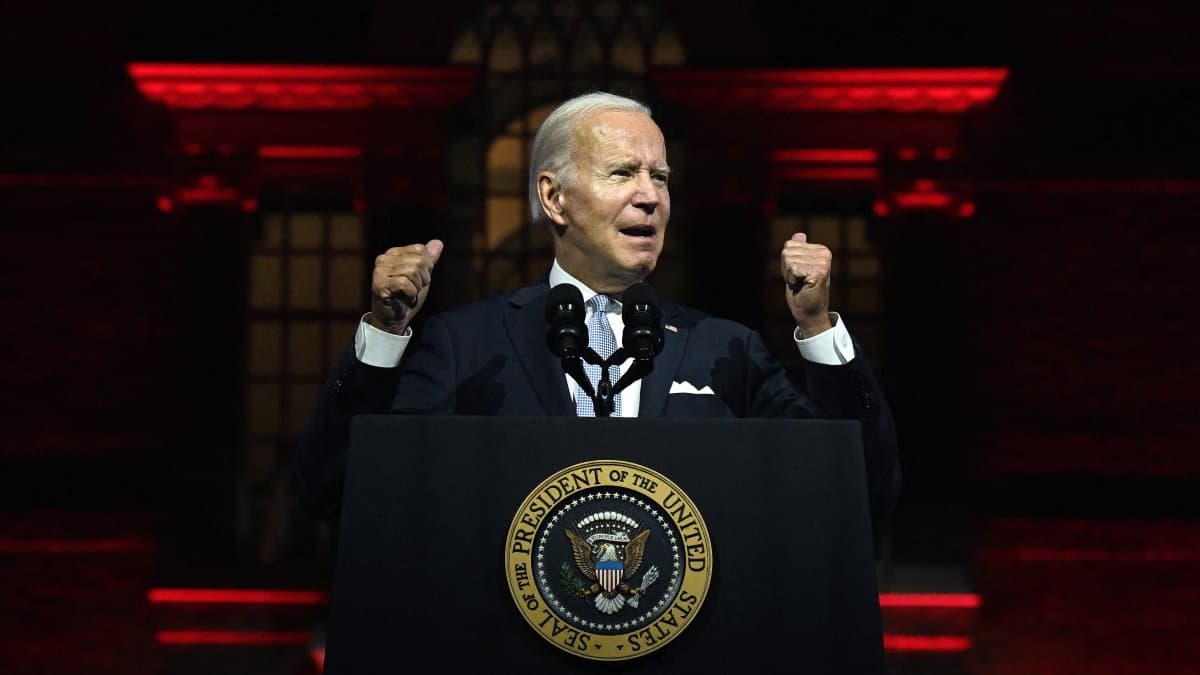

A federal appeals court rejected former President Joe Biden's request to block the release of audio recordings and transcripts of interviews he gave between 2016 and 2017 to writer Mark Zwonitzer, who collaborated with him on his memoir.
The decision was handed down by a divided three-judge panel of the U.S. Court of Appeals for the District of Columbia Circuit, which determined that Biden did not meet the necessary requirements to obtain a preliminary injunction while the litigation continues. However, the court extended an administrative stay until August 3 to give the former president time to seek further review.
In a 2-1 ruling, the majority concluded that there is "substantial" public interest in the disclosure of the material, which was used by Special Counsel Robert Hur during the investigation into Biden's handling of classified documents following his tenure as vice president.
"The public has a ‘weighty’ and ‘significant’ interest in ‘shining a light’ on the Special Counsel’s investigation of a former Vice President for alleged mishandling and disclosure of classified information," the judges wrote. They also noted that the redacted versions of the audio recordings and transcripts minimize any impact on the former vice president's privacy.
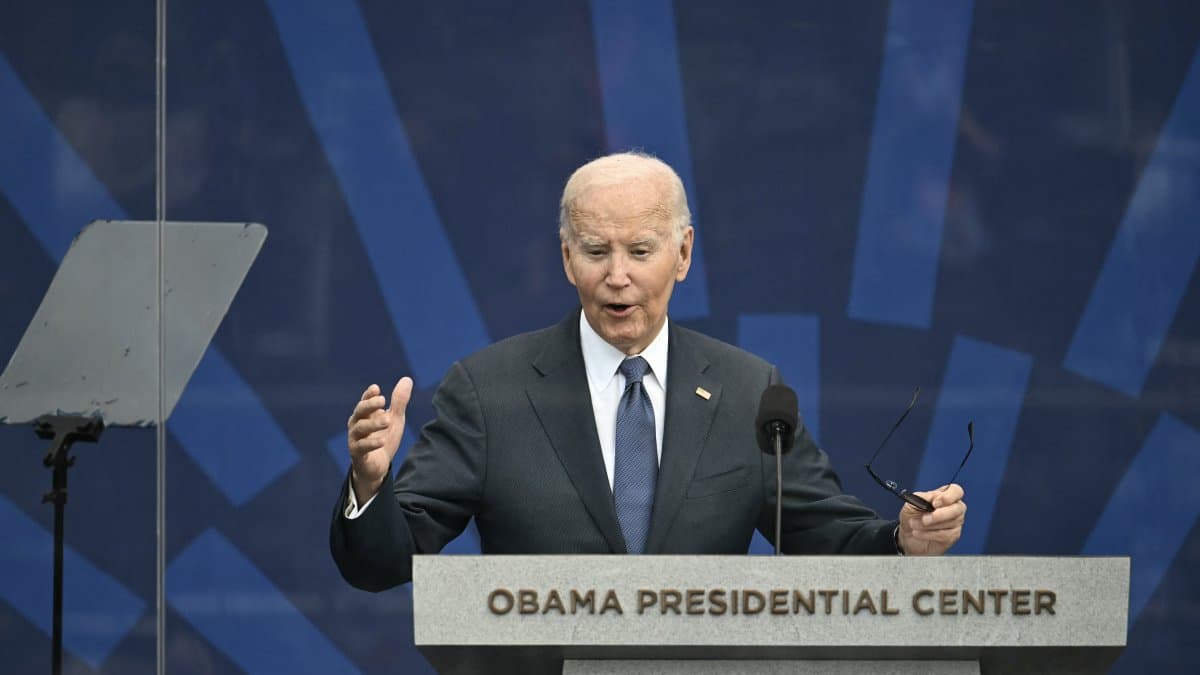
Zwonitzer interviewed Biden at his residence while they were working on his memoirs, published in 2017. The former vice president's attorneys argue that the conversations were personal and were never intended to be made public.
The recordings were turned over to the Department of Justice as part of the Hur investigation, which concluded without charges being filed. Subsequently, the Heritage Foundation and Mike Howell requested access to the materials under the Freedom of Information Act. Initially, the Department of Justice refused to release them, but in February 2026 it reversed its position and announced that it would release redacted versions to the petitioners and the House Judiciary Committee.
Biden intervened in the legal proceedings to try to prevent the release, arguing that the material is protected by privacy exceptions under federal law. However, the court concluded that the public interest outweighs any residual invasion of his privacy.
Florence Pan, Biden's nominee, dissented from the majority's decision
Judge Florence Pan, nominated by Biden, dissented from the majority's decision. In a dissenting opinion, she argued that immediate disclosure would render the case moot before it could be fully resolved and contended that the former president retains a substantial interest in the privacy of conversations held in his home and related to an investigation that did not result in criminal charges.
🛠 Do you think there is an error in this article?
Recommendations





LATEST