







Aortic dissection: What is the cardiovascular emergency linked to Lindsey Graham's death
Graham died on Saturday, July 11, 2026, after suffering from a condition initially described as "brief and sudden." Here's everything you need to know about this condition.


The sudden death of U.S. Sen. Lindsey Graham at 71 brought into the spotlight a rare but potentially fatal cardiovascular emergency: aortic dissection.
Preliminary findings released after his death indicated an aortic dissection associated with atherosclerotic cardiovascular disease. The definitive diagnosis, however, remained pending the completion of toxicological and microscopic analyses, according to information released by his office and reported by U.S. media outlets.
Graham died on Saturday, July 11, 2026, after suffering an illness initially described as "brief and sudden."
What is an aortic dissection?
The aorta is the largest artery in the body. It originates from the heart and distributes oxygen-rich blood to the brain, abdominal organs, and extremities.
An aortic dissection occurs when a tear forms in the inner layer of the artery's wall. Blood enters through this opening and flows between the different layers of the blood vessel, separating them.
This condition can reduce or block blood flow to vital organs. It can also lead to a complete rupture of the aorta and potentially fatal internal bleeding.
MedlinePlus, the information service of the U.S. National Library of Medicine, defines dissection as a serious condition that can cause both aortic rupture and reduced blood supply to various organs.
It should not be confused with spontaneous coronary artery dissection, known as SCAD. The latter affects the arteries that carry blood to the heart muscle, while aortic dissection involves the main artery that leaves the heart.

Health
The world is ‘failing’ to curb childhood obesity: An urgent public health challenge
Diane Hernández
Symptoms of an aortic dissection
Symptoms usually begin suddenly. The most characteristic symptom is very intense chest pain or pain in the upper back, although the presentation may vary.
- Sudden, intense pain in the chest, back, neck or abdomen.
- A sensation of sharp, stabbing or tearing pain.
- Difficulty breathing.
- Fainting or loss of consciousness.
- Heavy sweating, paleness or weakness.
- Difficulty speaking or sudden vision changes.
- Weakness or numbness on one side of the body.
- Weak pulse in an arm or leg.
- Pain in the extremities or sudden difficulty walking.
The U.S. National Heart, Lung and Blood Institute warns that clinical presentation depends on the affected area of the aorta and whether the tear interferes with blood supply to other organs.
The symptoms may resemble those of a heart attack, a stroke, a pulmonary embolism or even an abdominal problem. This similarity can make the initial diagnosis difficult.
If you experience sudden, severe and unexplained chest pain or back pain, especially if accompanied by fainting, shortness of breath, or neurological symptoms, you should seek emergency medical care. It is not advisable to drive yourself to a hospital or wait for the pain to go away.
Who is at highest risk?
Aortic dissection can occur in people who were unaware they had aortic disease. However, certain conditions increase the likelihood of it occurring.
Chronic high blood pressure is one of the main risk factors because it subjects the aortic wall to constant pressure. The American Heart Association also identifies advanced age, male gender and family or genetic history as relevant risk factors.
The risk may be higher in people with:
- High blood pressure, especially if it is uncontrolled.
- Aneurysm or dilation of the aorta.
- Atherosclerosis or other vascular diseases.
- Bicuspid aortic valve.
- Aortic coarctation.
- Marfan syndrome.
- Loeys-Dietz syndrome.
- Ehlers-Danlos vascular syndrome.
- Family history of aneurysm or dissection.
- Smoking.
- High cholesterol.
- Significant chest trauma.
- Use of certain stimulant drugs.
Hereditary connective tissue disorders can weaken the aortic wall even in young people. For this reason, a family history of aneurysm, unexplained sudden death or aortic surgery should be reported to the doctor.
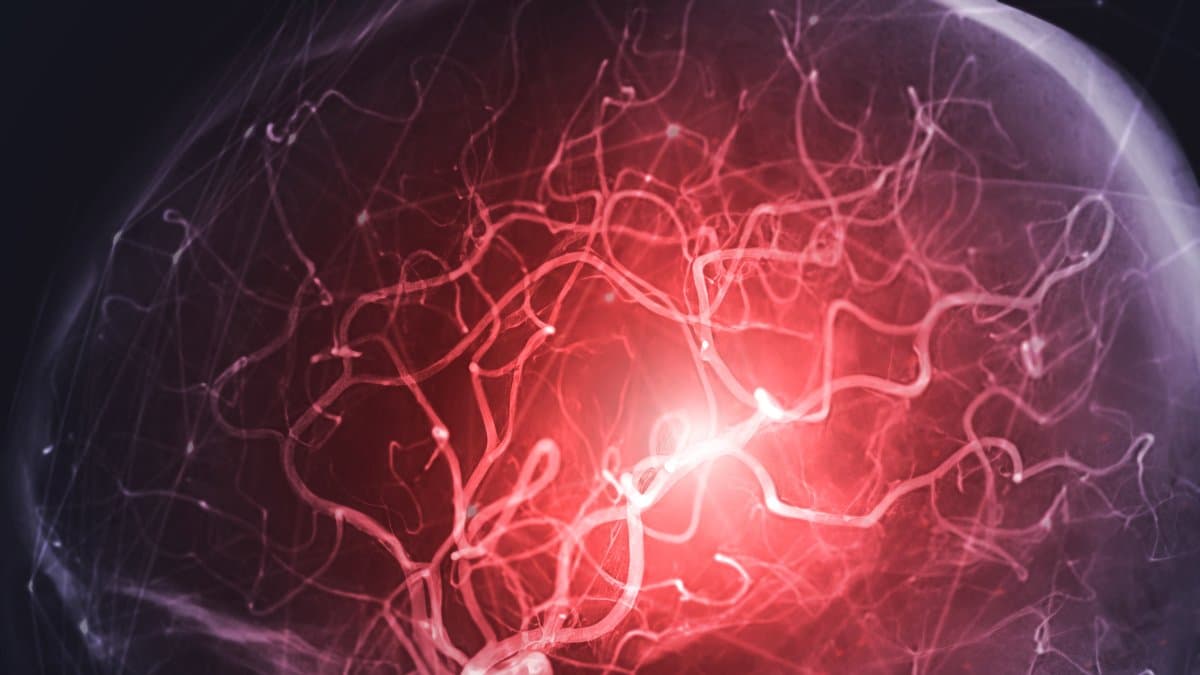
Arteriosclerosis and atherosclerosis: They are not exactly the same
The preliminary findings regarding Graham mentioned arteriosclerotic cardiovascular disease.
Arteriosclerosis is a general term describing the thickening, hardening and loss of elasticity of the arteries. Atherosclerosis is a specific type of arteriosclerosis caused by the buildup of plaque composed of fats, cholesterol and other substances.
Although atherosclerotic disease can damage blood vessels and coexist with other risk factors, not all aortic dissections are directly caused by plaque buildup. Hypertension, aneurysms, genetic disorders and certain congenital anomalies of the aorta also play an important role.
Therefore, the exact cause in an individual case must be determined through the medical history, autopsy, imaging and relevant pathological studies.
Why is it a medical emergency?
Type A dissections affect the ascending aorta, the portion closest to the heart. They generally require urgent surgery due to the risk of rupture, aortic valve damage, cardiac tamponade, stroke and organ ischemia.
Type B dissections begin in the descending aorta. Some uncomplicated cases can initially be treated with medications to lower blood pressure and reduce the force of the heart's contraction. Others require endovascular intervention, stent graft placement or surgery.
The joint guidelines from the American College of Cardiology and the American Heart Association emphasize the need for rapid diagnosis, immediate blood pressure control and evaluation by teams with expertise in aortic diseases.
How is it diagnosed?
The diagnosis cannot be confirmed based on symptoms alone. Imaging tests are needed to visualize the aortic wall, the location of the tear, and any potential complications.
Among the tests used are:
- Computed tomography angiography.
- Transesophageal echocardiogram.
- Magnetic resonance angiography.
- Transthoracic echocardiogram in certain patients.
- Chest X-ray as an initial evaluation, although it alone does not rule out the condition.
Contrast-enhanced computed tomography is usually one of the most commonly used tests in stable patients due to its speed and availability. In unstable patients or when transport is not possible, transesophageal echocardiography can provide crucial information.

Can it be prevented?
Not all dissections are preventable, especially those related to genetic disorders. However, it is possible to reduce some of the vascular risk.
The main measure is keeping blood pressure under control. It is also important not to smoke, to treat high cholesterol, to maintain a healthy weight, to engage in appropriate physical activity and to follow the recommended follow-up schedule when an aneurysm or aortic disease is present.
People with a family history or genetic disorders may need periodic echocardiograms, CT scans, or MRIs. In certain families, the doctor may recommend genetic counseling and testing.
Those who have survived a dissection require lifelong follow-up. Even after surgery or stent placement, other parts of the aorta may dilate or develop new complications. Imaging surveillance allows for the detection of changes before symptoms occur.
When to seek emergency care
The key health message is simple: Sudden, severe chest or back pain that is unlike any previous pain should be taken seriously.
The possibility of an aortic dissection is particularly relevant when the pain occurs alongside high blood pressure, fainting, shortness of breath, differences in pulse between both arms or signs similar to a stroke.
Although this is a rare condition, delaying evaluation can have irreversible consequences. Immediate care allows for blood pressure control, the necessary tests, and when appropriate, emergency surgery.
This content is for informational purposes only and is not a substitute for evaluation by a healthcare professional. If you experience severe or sudden symptoms, contact your local emergency services immediately.
🛠 Do you think there is an error in this article?
Recommendations








LATEST