Skin cancer remains the most common type of cancer: What experts recommend for this summer
According to a study published in 2026 based on the U.S. National Health Interview Survey, approximately 88.1 million adults—35.1% of the adult population—suffered at least one sunburn in the past year. In addition, nearly 18.8 million people reported experiencing four or more sunburns.
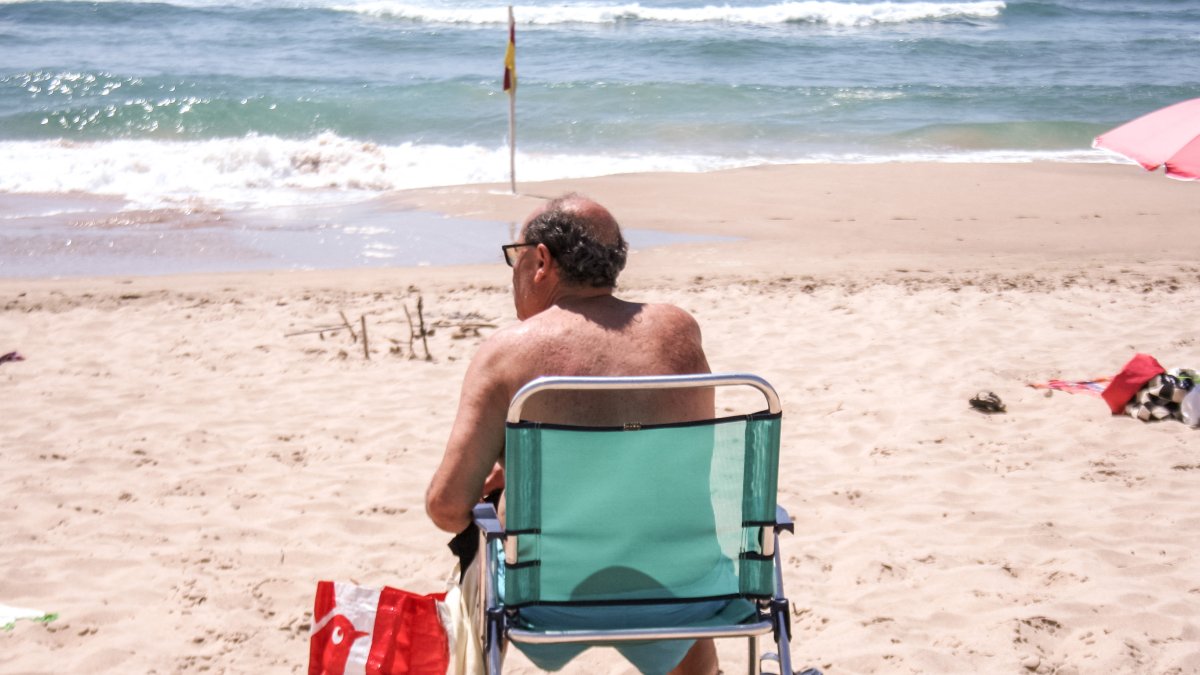
A person sunbathing on the beach (File photo)

With the arrival of summer, millions of people will spend more time outdoors, whether at beaches, swimming pools, parks, or participating in sports. However, public health experts remind us that excessive exposure to ultraviolet (UV) remains the leading preventable risk factor for skin cancer, the most common type of cancer in the country.
According to the Centers for Disease Control and Prevention (CDC), skin cancer is the most common form of cancer in the country. Most cases are related to exposure to ultraviolet radiation from the sun or artificial sources such as tanning beds.

Alarming figures
The latest data from the CDC show that the problem remains massive. According to a study published in 2026 based on the U.S. National Health Interview Survey, approximately 88.1 million adults—35.1% of the adult population—suffered at least one sunburn in the past year. In addition, nearly 18.8 million people reported experiencing four or more sunburns.
Water activities were the most common setting in which these sunburns occurred, followed by outdoor exercise, alcohol consumption, intentional tanning, and outdoor work.
Meanwhile, the American Cancer Society estimates that in 2026, approximately 112,000 new cases of melanoma—the most dangerous form of skin cancer—will be diagnosed, and that more than 8,500 people will die from this disease in the United States.
Summer increases the risk
Experts explain that during the summer months, the intensity of UV radiation reaches high levels across much of the country. The CDC notes that UV rays are typically strongest between 10 a.m. and 4 p.m., precisely when many people are enjoying outdoor activities.
Cumulative sun exposure can cause damage to the DNA of skin cells, increasing the risk of developing various types of skin cancer over the years. Even sunburns sustained during adolescence or young adulthood can have consequences decades later.
How to protect yourself from the sun this summer
The CDC recommends adopting sun protection habits on a routine basis, even on cloudy days:
- Apply broad-spectrum sunscreen with an SPF of 30 or higher.
- Reapply the sunscreen every two hours and after swimming or sweating.
- Seek shade, especially during peak UV radiation hours.
- Wear wide-brimmed hats , UV-protective sunglasses, and protective clothing.
- Avoid tanning beds and other artificial sources of ultraviolet radiation.
- Check the UV index before engaging in outdoor activities.
A risk for everyone
The good news is that most cases related to UV exposure can be prevented. U.S. health authorities continue to emphasize that small actions, such as using sunscreen and avoiding sunburns, can significantly reduce long-term risk.
With millions of Americans getting ready to enjoy the beach, vacations, and outdoor activities this summer, the experts’ message is clear: protecting your skin today can help prevent cancer tomorrow.
LATEST