Ebola returns in 2026: How the strain without a vaccine that worries Africa and the world is transmitted
A disease that seemed to be under control is back at the center of international concern after new cases, cross-border spread and a strain for which there is still no approved drug.
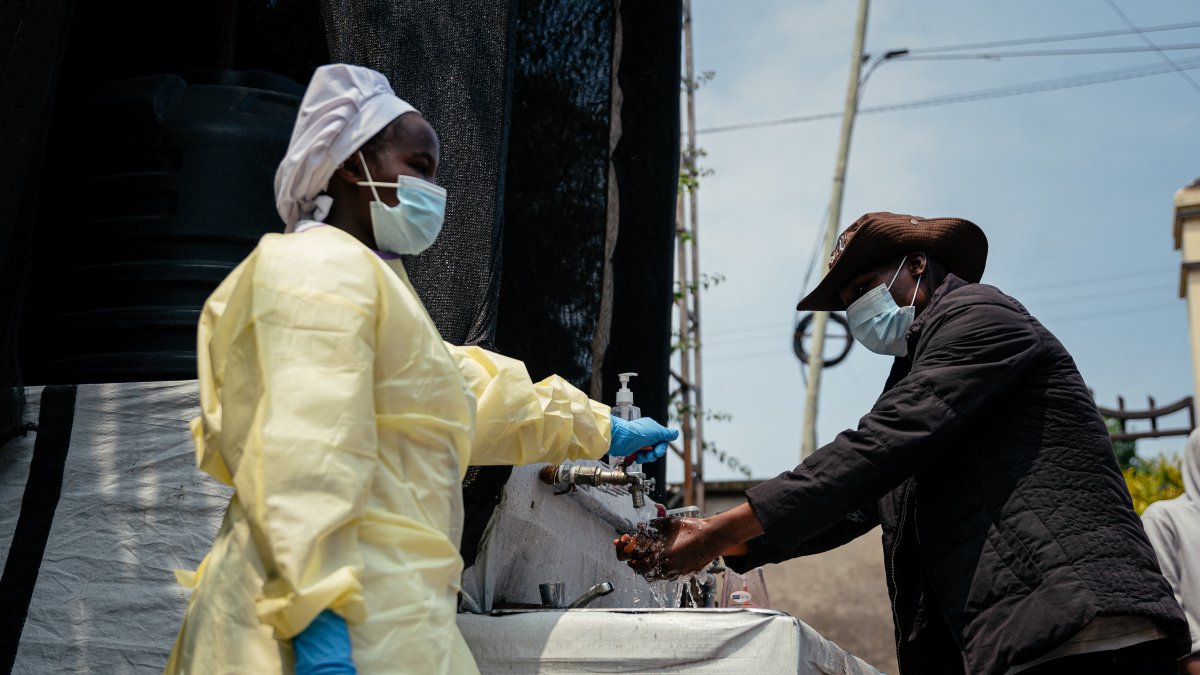
Health mechanisms in Africa try to control new Ebola outbreak (File).

Ebola has once again moved to the center of international health alerts. While the world is still dealing with the lessons and aftermath of the COVID-19 pandemic, a new outbreak detected in central Africa has reactivated concern among medical authorities and international agencies due to its rapid spread, high lethality and an additional concern factor: The strain currently involved has no approved vaccines or specific treatments.
The World Health Organization warned that the situation is rapidly evolving and called emergency meetings as international teams try to contain new transmission hotspots.
What exactly is Ebola?
Ebola virus disease is a severe, rare and potentially fatal viral infection caused by a group of viruses belonging to the genus Orthoebolavirus. It was first identified in 1976 during simultaneous outbreaks in Sudan and in what is now the Democratic Republic of the Congo. It is named after the Ebola River, near one of the areas where the first cases were reported.
The disease has varying mortality rates depending on the strain and health care conditions. In some historical outbreaks, lethality reached extremely high levels.
Specialists identified several species of the virus, although three were responsible for large outbreaks:
- Ebola virus (Zaire).
- Sudan virus.
- Bundibugyo virus.
The current concern revolves around the latter variant: Bundibugyo.
How it is transmitted: One of the most confusing points
Unlike respiratory diseases such as COVID-19, Ebola is not transmitted through the air.
Infection occurs through direct contact with:
- blood
- vomit
- saliva
- sweat
- bodily fluids
- contaminated objects
- infected tissues
- contact with carrier animals
It can also spread during medical care without proper equipment or during funeral rituals where there is direct contact with infected deceased persons.
Experts point out that the virus becomes contagious once symptoms appear.
Symptoms: How the disease begins
One of the challenges of Ebola is that its early manifestations can resemble common illnesses.
Initial symptoms usually include:
- high fever
- intense fatigue
- muscle pain
- headache
- weakness
- sore throat
Subsequently, the following symptoms may appear:
- vomiting
- diarrea
- skin rashes
- kidney and liver alterations
- internal and external bleeding in the most severe cases
Early treatment greatly increases the chances of survival.
The outbreak that changed history
The epidemic primarily affected Guinea, Liberia and Sierra Leone. That outbreak left more than 11,000 dead and became the most severe Ebola epidemic on record.
Accelerated developments of vaccines, epidemiological surveillance systems and new international protocols began thereafter.

Society
Public health shield: CDC and DHS implement immediate restrictions to slow the spread of Ebola
Alejandro Baños
What is happening now?
Global alarm grew again in May 2026 following the appearance of a new outbreak in northeastern Democratic Republic of Congo.
The situation is worrying for several reasons:
- There are hundreds of suspected cases.
- Tens of deaths were reported.
- Infections appeared outside the initial area.
- There were associated cases in Uganda.
- Health care workers were also affected.
The WHO reported that the outbreak began in the Ituri province and geographic spread to other areas was subsequently detected.
Recent reports indicate more than 500 suspected cases and more than a hundred deaths under investigation, although the numbers continue to change as testing and epidemiological surveillance progress.
The problem that worries experts: An unapproved vaccine variant
One of the factors raising international concern is that the current outbreak involves the Bundibugyo strain.
Currently approved vaccines were developed primarily for other variants, especially the Zaire strain. For Bundibugyo there is still no licensed immunization or approved targeted therapies.
This forces the strategy to focus on rapid detection, contact tracing, isolation, intensive medical support and local containment.
For the moment, international experts say pre-qualified vaccines for the Zaire strain "cannot be used in the current response," Anne Ancia, WHO representative in the Democratic Republic of Congo, told AFP.

Is there a pandemic risk?
However, the combination of armed conflict, regional mobility, fragile medical infrastructure and cross-border circulation is of particular concern to international agencies.
The WHO has already warned that the rise of emerging diseases and the weakening of global preparedness systems raise the likelihood of future health crises.
LATEST