






Vanessa Trump reveals she has breast cancer: symptoms, prevention and figures that worry millions of women
According to official CDC data, this is the second most common type of cancer among Americans and also one of the leading causes of death in the country.
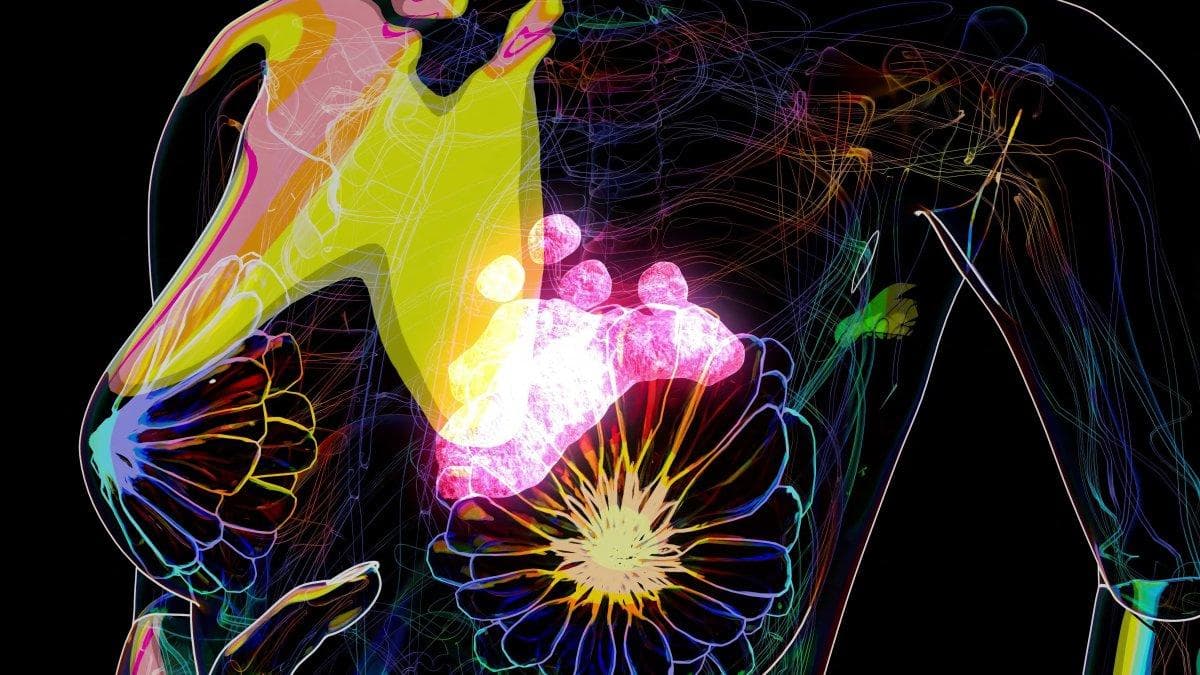

The news about Vanessa Trump's health brought breast cancer back into the center of the public conversation. Donald Trump Jr.'s ex-wife, 48, confirmed that she was recently diagnosed and has already begun a treatment plan with her medical team. In a public message she explained that she is going through a difficult process, although she assured to remain focused and optimistic.
Although the announcement generated a wave of support and messages of solidarity, specialists remind that cases like this also reopen a crucial conversation: breast cancer continues to be one of the main health challenges for women in the United States and the world.
Breast cancer continues to be one of the most prevalent cancers
According to official CDC data, breast cancer is the second most common type of cancer among American women and also one of the leading causes of death in the country.
The most recent figures show a stark reality:
- In 2022, 279,731 new cases of female breast cancer were reported in the United States.
- More than 42.000 women died from the disease in recent data reported by health authorities.
- Approximately 1 in 8 women will develop breast cancer at some point in their lives.
- About 30% of all new cancer diagnoses in women are breast cancer.
Experts point out that, although most cases appear in women over 50 years of age, diagnoses among younger women have also shown increases. Among women younger than 45 years the incidence has gradually increased during the last decade.
Vanessa Trump is 48, an age at which the risk begins to increase significantly.
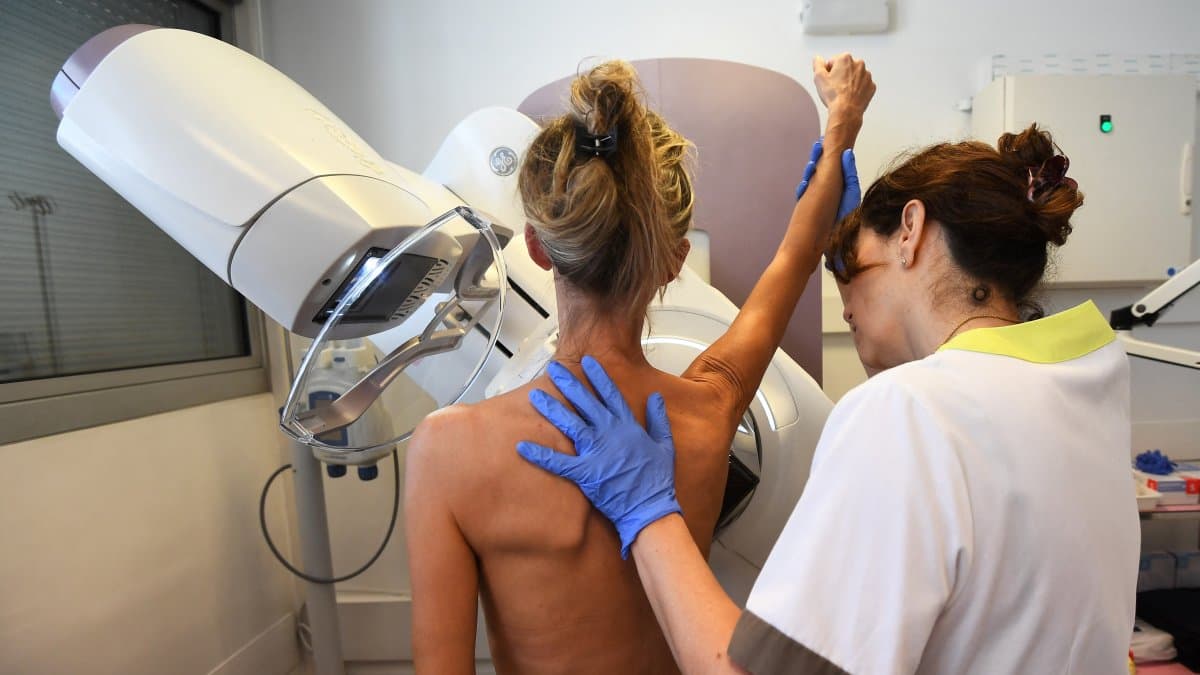
Breast cancer symptoms: signs not to ignore
The CDC and medical organizations warn that breast cancer can develop without obvious symptoms in early stages, which is why preventive screenings are so important.
Some signs that warrant attention include:
- Appearance of a lump or mass in the breast or armpit.
- Changes in size or shape of the breast.
- Persistent localized pain.
- Nipple sagging or retraction.
- Redness or skin alterations.
- Unusual nipple discharge, especially bloody.
- Inflammation or thickening of a specific area.
Doctors insist that the presence of these symptoms does not automatically mean cancer, but does warrant medical evaluation.
Risk factors: who may be more likely
There is no single cause, but several factors increase the risk:
- Advanced age.
- Family history of breast cancer.
- Genetic mutations such as BRCA1 and BRCA2.
- Personal history of cancer.
- Obesity.
- Sedentarism.
- High alcohol consumption.
- Prolonged hormone therapies.
- Early menstruation or late menopause.
However, specialists also remember something important: many women diagnosed had no family history.
Reducing the risk: measures recommended by experts
Maintain a healthy weight.Frequent physical activity.Limit alcohol consumption.Avoid smoking.Talk to your doctor about hereditary factors.Comply with preventive studies and mammograms according to age and history.Early detection continues to be one of the most important tools..
The importance of screening
Specialists agree that many cases identified in early stages present better probabilities of successful treatment.
The Vanessa Trump story reminds us of something that doctors and health organizations repeat every year: breast cancer can affect anyone and many times it does not present obvious early signs.
Beyond the media impact of the news, the underlying message is one that transcends names and headlines: recognizing symptoms, knowing the risk factors and maintaining preventive controls can make a decisive difference.
🛠 Do you think there is an error in this article?
Recommendations


LATEST