







CDC reports more than 1,600 confirmed cases of parasite causing severe diarrhea and investigates another 5,100 possible cases
The figure represents a significant increase compared to the same period in 2025, when 249 cases were reported nationwide.
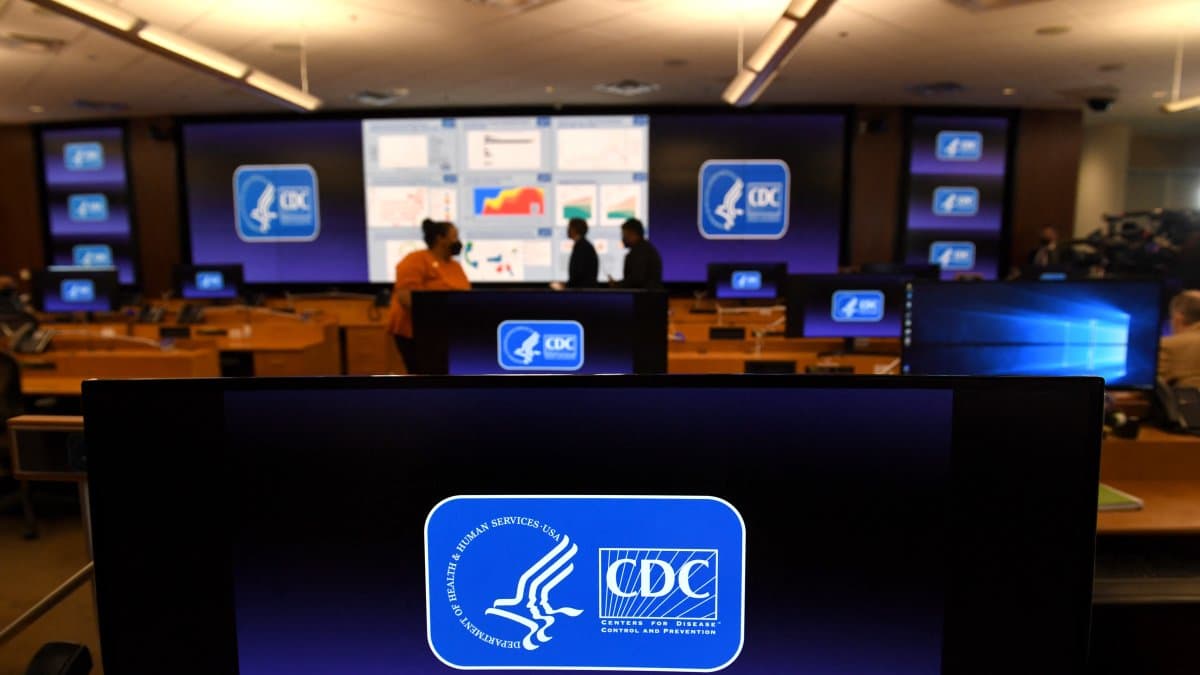

The Centers for Disease Control and Prevention (CDC) issued a health alert on Tuesday in response to the rise in cases of domestically acquired cyclosporiasis, a gastrointestinal disease caused by the microscopic parasite Cyclospora.
Since May 1, the agency has received reports of 1,645 confirmed cases in 34 states, in addition to being aware of more than 5,100 additional cases that are still under investigation to determine whether they are infections acquired within the United States.
This figure represents a significant increase compared to the same period in 2025, when 249 cases had been reported nationwide.
According to the report, 141 of the patients for whom information is available — 9% — required hospitalization, although no deaths have been reported.
The CDC, along with the Food and Drug Administration (FDA) and state and local health authorities, are currently investigating several multi-state outbreaks to identify the source of the infections.
The agency noted that cyclosporiasis is often underdiagnosed and underreported, so the actual number of people affected could be higher than reported.

More than 400 cases may be linked
The CDC also reported an outbreak with more than 400 cases recorded in at least four states that appear to be epidemiologically linked, suggesting a possible common source of infection.
The disease is primarily transmitted through the consumption of food or water contaminated with the parasite and, according to the agency, it does not usually spread directly from person to person.
Historically, cyclosporiasis outbreaks have been associated with the consumption of contaminated fresh produce. The peak season for cases runs from May 1 to August 31.
Symptoms and diagnosis
Symptoms usually appear about a week after exposure, although they can manifest between two and fourteen days after infection.
The most common symptoms include persistent watery diarrhea, loss of appetite, weight loss, abdominal bloating, nausea, and fatigue. In some cases, mild fever and vomiting may also occur.
The CDC warned that, without treatment, the disease can follow an intermittent course for several days, a month, or even longer. Although it is generally not life-threatening, it can lead to complications such as malabsorption, cholecystitis, and reactive arthritis.
The agency also emphasized that detecting the parasite in stool samples can be challenging and that routine tests do not always identify it; therefore, it recommends specifically requesting testing for Cyclospora when clinical suspicion exists.
Recommendations
For the general public, the agency recommends seeing a doctor if diarrhea persists for several days and taking extra precautions with food hygiene, including thoroughly washing fruits and vegetables under running water.
The CDC noted that chemical disinfection of food may not completely eliminate the parasite and reminded the public that it is important to wash fresh produce even when it is labeled as pre-washed.
🛠 Do you think there is an error in this article?
Recommendations








LATEST