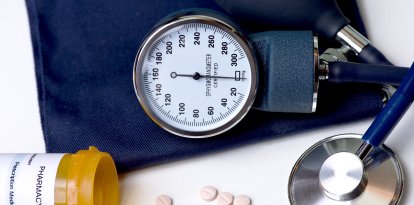
Stroke: Warning signs you should never ignore
Recognizing the symptoms of a stroke and taking action within the first few minutes can mean the difference between life and death. Specialists warn that prompt treatment reduces brain damage and significantly increases the chances of recovery.
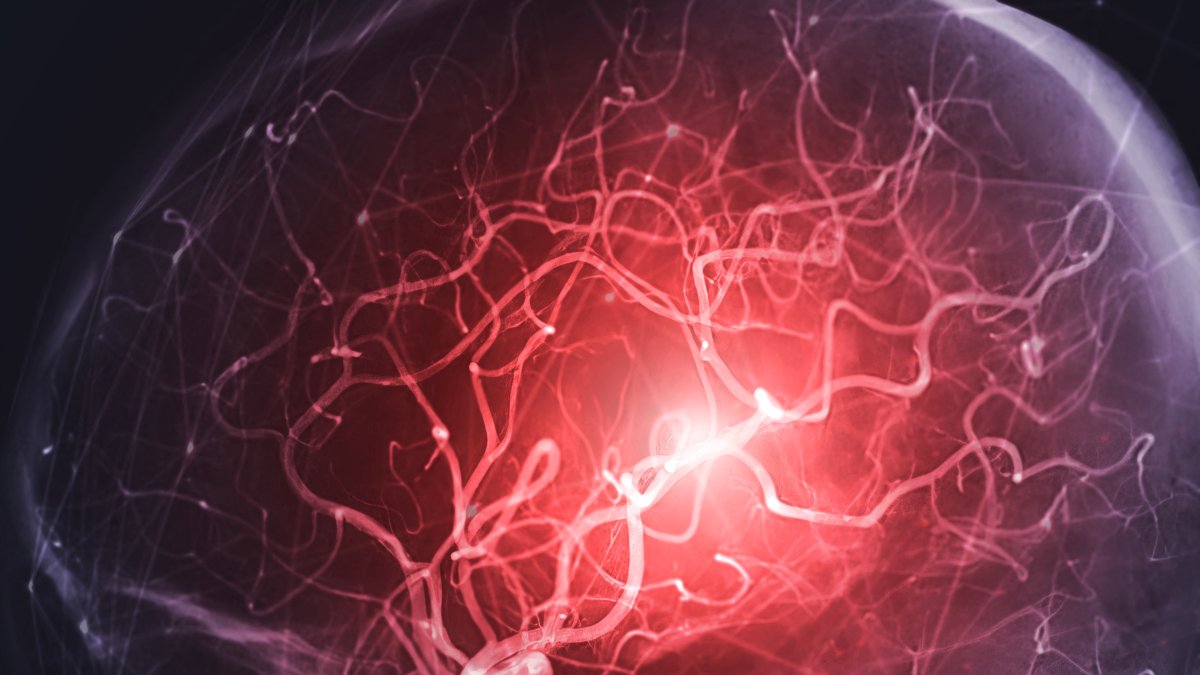
Stroke. X-ray of blood vessels in the cerebral arteries. (File photo)

Every minute counts when a stroke, also known as a cerebrovascular accident (CVA), occurs. It is a medical emergency that can lead to permanent disability, severe brain damage and even death if immediate care is not provided. For this reason, health organizations stress the importance of recognizing the symptoms and calling emergency services as soon as the first signs appear.
According to the Centers for Disease Control and Prevention (CDC) and specialists from Mayo Clinic, symptoms usually appear suddenly and may include numbness or weakness in the face, arm, or leg, especially on one side of the body, difficulty speaking or understanding speech, vision loss in one or both eyes, trouble walking, dizziness, loss of balance and severe headaches with no apparent cause.
The rule that can save lives
Experts recommend using the method known as "BE-FAST" to identify a possible stroke:
- B: Balance problems
- E: Eyes, sudden vision loss
- F: Facial drooping or asymmetry when smiling
- A: Arm or leg weakness (one arm or leg feels weak)
- S: Speech difficulty
- T: Time to call emergency services
Doctors warn that the most effective treatments for some types of stroke can only be administered within the first few hours after symptoms begin. For this reason, delaying medical care can limit treatment options and increase the risk of permanent complications.

What happens during a stroke?
A stroke occurs when blood flow to a part of the brain is interrupted or significantly reduced. The most common type is an ischemic stroke, caused by a blockage in a brain artery. There is also a hemorrhagic stroke, which occurs when a blood vessel ruptures and causes bleeding inside the brain.
In both cases, brain cells begin to die within minutes due to a lack of oxygen and nutrients, which explains the urgency of receiving specialized medical care.
Don't ignore a “mini-stroke”
Specialists also warn about the transient ischemic attack (TIA), commonly known as a “mini-stroke.” Although symptoms may disappear within a few minutes, this episode is a warning sign that a major stroke could occur in the future.
Therefore, even if symptoms disappear quickly, it is essential to seek medical attention immediately. Experts emphasize that a transient ischemic attack should never be considered harmless.

Risk factors that can increase the likelihood
- High blood pressure
- Diabetes
- High cholesterol
- Smoking
- Obesity
- A sedentary lifestyle
- Cardiovascular diseases
- Sleep apnea
The experts' recommendation is clear: If you experience any suspicious symptoms, do not drive yourself to the hospital or wait for the symptoms to go away. Call emergency services immediately. When it comes to a stroke, acting quickly can save a life.
LATEST