More than 1,000 cases in 11 days: Ebola outbreak in Congo prompts US to treat its exposed citizens in Kenya
In order to keep Ebola out of domestic territory, the Trump Administration will set up a facility in Kenya to care for Americans exposed to the virus, rather than repatriating them as in previous outbreaks.
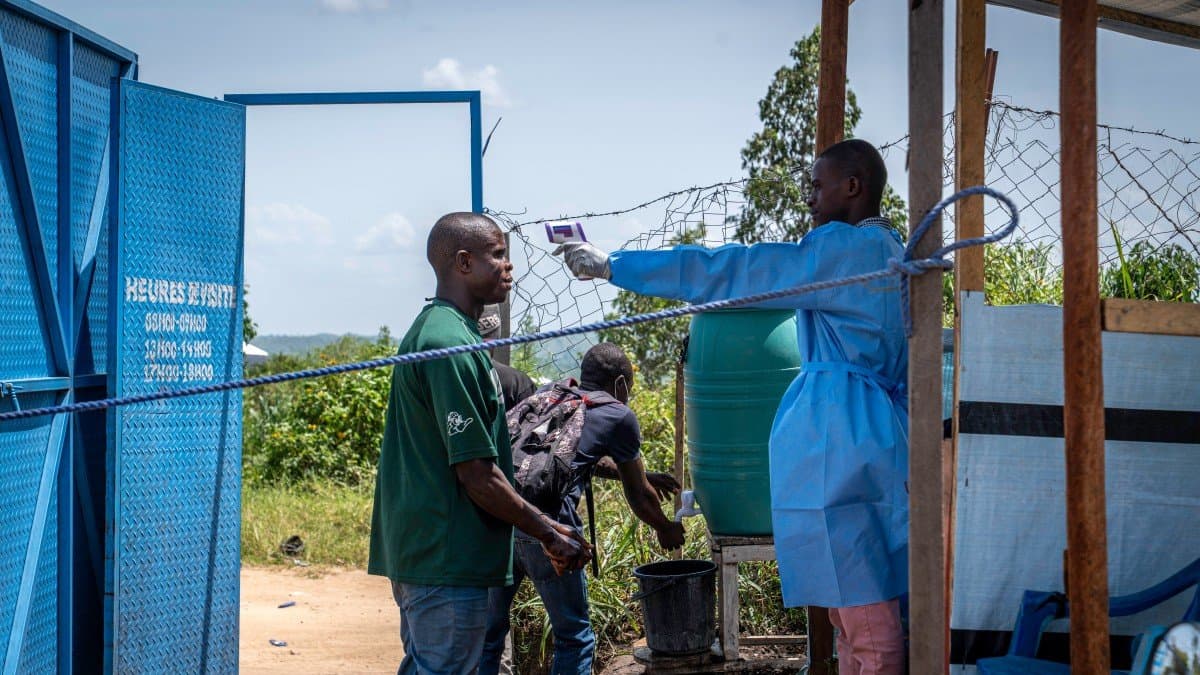

The Trump administration plans to send US citizens exposed to the Ebola virus to Kenya for observation and treatment, rather than bringing them back to the United States, The New York Times revealed Tuesday.
The move seeks to keep the virus away from U.S. soil amid the accelerating outbreak sweeping the Democratic Republic of the Congo.
The newspaper, which cited three people with knowledge of the plans, reported that a few dozen Public Health Service officers are being trained to deploy to Kenya to care for high-risk Americans. A facility would reportedly be set up there—in coordination with the State Department, the Defense Department and the Department of Health and Human Services (HHS)—where U.S. citizens could quarantine or receive treatment. A White House spokesperson declined to comment to the newspaper.
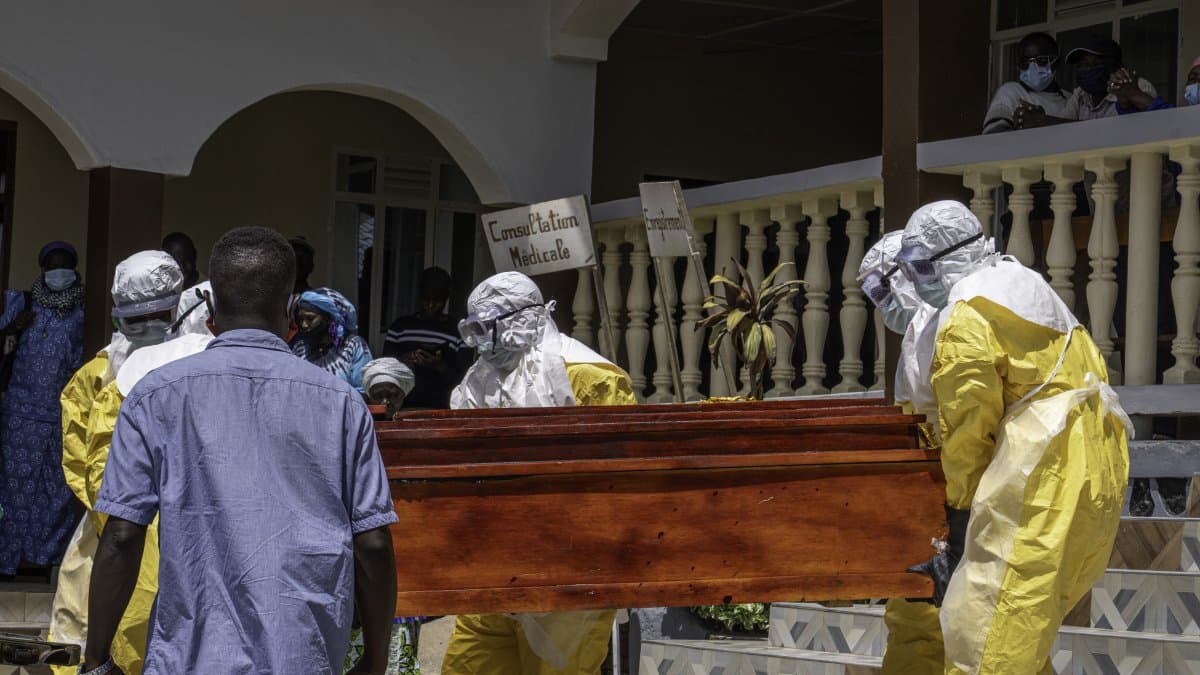
The approach breaks with that of previous administrations, which repatriated those exposed for treatment in specialized units on domestic soil. Just this month, the administration itself had transferred a U.S. doctor with symptoms to a hospital in Germany and taken six other citizens to Germany and the Czech Republic for monitoring.
The turn coincides with the rapidly escalating outbreak in Congo. According to the World Health Organization (WHO), as of May 25 there were more than 1,000 suspected and confirmed cases and more than 230 deaths, one of the highest numbers on record. The agency declared the public health emergency of international concern on May 17 and upgraded the risk to "very high" a few days later. The epidemic, centered in the troubled province of Ituri, is caused by the Bundibugyo strain, complicating the response, as available treatments have been tested mostly against the Zaire strain.
Washington had already tightened its health siege. Last week it invoked Title 42 to bar entry of immigrants and permanent residents who had been to Congo, Uganda or South Sudan in the previous 21 days. The State Department, which issued Level 4 travel alerts for the three countries, said its "first priority is the protection of Americans and the homeland," mobilized an initial $23 million in aid and committed funding for up to 50 treatment clinics in the affected areas.
The plan, however, generated qualms among some experts. Ebola has a mortality rate of close to 50%, which is reduced with quality early care. Dr. Tom Inglesby, of the Johns Hopkins Center for Health Security, told the NYT that the odds of survival are higher in specialized units and expressed surprise at the decision not to repatriate even Public Health Service officials. The United States has state-of-the-art facilities to treat these pathogens, such as the Omaha unit.
🛠 Do you think there is an error in this article?
Recommendations







LATEST