The 10 preventive checkups every American should have in 2026
After years of changes in the healthcare system and technological advances, experts agree: early detection is the best treatment.
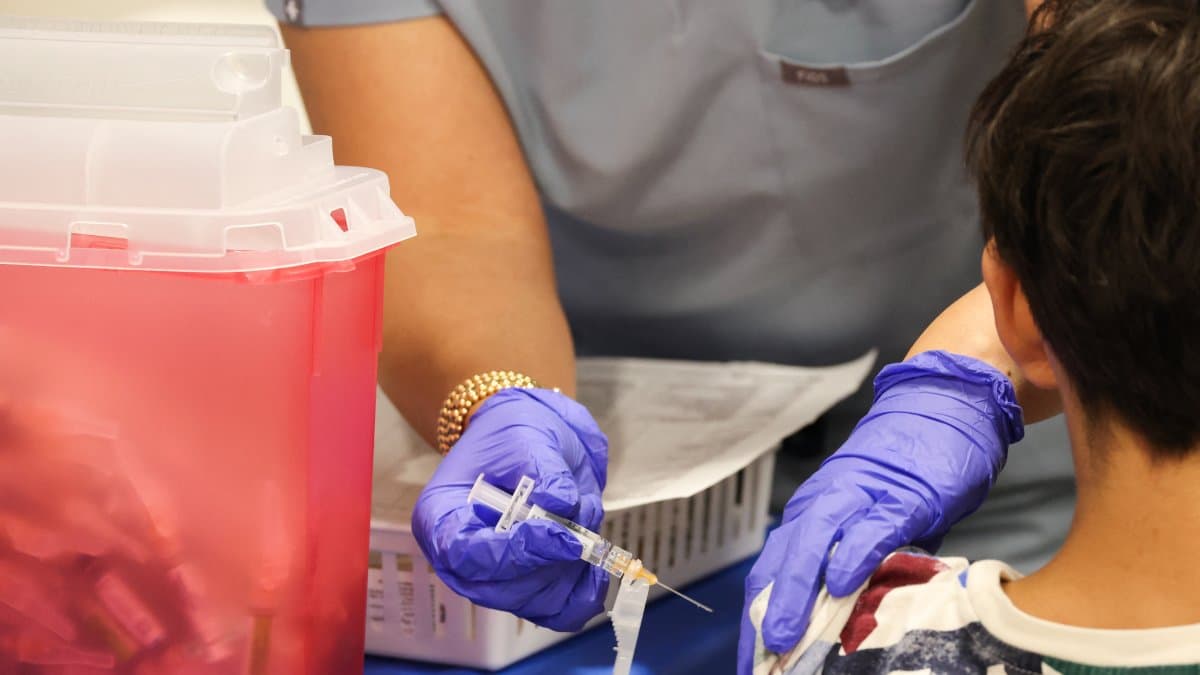

Preventive health will be the big medical priority in 2026. After years of changes in the healthcare system and technological advances, experts agree: detecting early is the best treatment.
According to updated recommendations from the CDC and the U.S. Preventive Services Task Force, these are the 10 essential preventive checkups every American should get in 2026 to live longer and better.
1. Comprehensive annual physical exam
The general medical checkup remains the cornerstone of prevention. In 2026, many clinics offer comprehensive A.I. screenings that look at medical history, genetics and lifestyle.
It includes blood pressure, heart rate, weight, glucose, cholesterol, and kidney function monitoring, among other studies.
What is an annual comprehensive physical exam?
An annual comprehensive physical examination is a general medical checkup that seeks to assess a person's overall health status, detect potential problems early, update medical history, analyze lifestyle habits, routine checkups (such as blood pressure, weight, etc.) and, in many cases, perform basic laboratory tests (cholesterol, glucose, kidney/liver function, etc.).
During the examination, these include, for example:
- Review of medical history and lifestyle habits (alcohol, smoking, diet, exercise).
- Taking of vital signs (blood pressure, pulse, temperature, etc.).
- Physical examination (ear, eyes, mouth, palpation of abdomen, extremities, reflexes).
- In many cases: blood/urine tests for cholesterol, glucose, thyroid, kidney/liver function.
Where can it be done?
Here are some types of centers where you can get your annual comprehensive physical:
- Primary care physician office or family practice clinic.
- Urgent care / clinics that sometimes offer general checkups.
- Special centers or programs of "executive health" or comprehensive health checkups for professionals (more expensive).
- Low-cost community clinics if you don't have insurance.
Approximate prices
Prices vary widely by state, provider, whether additional testing is included, with or without insurance. Here some estimated ranges:
- Without insurance, at many clinics: between $50 and $300.
- National average without insurance: approximately $199.
- If it includes lab and is "more comprehensive," it can go up to approximately $350-500 or more depending on location.
- For example, in California the average "cash" price for an "annual physical exam" was approximately $461.
- On the other hand, executive programs/premium checkups can cost several thousand dollars.
- If you have insurance, many times the "preventive visit" portion can be covered with no co-pay, but if done beyond the preventive portion there could be additional charges.

2. Advanced metabolic and cardiovascular profiling
Early detection of Type 2 diabetes, hypertension and heart disease remains crucial.
In 2026, blood tests include metabolic biomarkers and genetic tests predictive of cardiovascular risk, available even in pharmacies and retail clinics.
Typical components:
- In addition to the standard blood tests (glucose, total cholesterol, LDL, HDL, triglycerides), these "advanced" ones include biomarkers such as Apolipoprotein B (ApoB), lipoprotein(a) (Lp(a)), small/dense LDL, oxidized, etc.
- Arterial inflammation markers: e.g., high-sensitivity C-reactive protein (hs-CRP), PLAC® (lipoprotein-associated phospholipase A2) indicating atherosclerotic plaque activity.
- Indicators of glucose metabolism beyond HbA1c, such as 1,5-anhydroglucitol (1,5-AG) measuring postprandial glucose spikes.
- Finer renal function (e.g., cystatin C) that gives a more accurate estimate of glomerular filtration rate.
- Evaluation of metabolic syndrome: abdominal fat, insulin resistance, dyslipidemia, etc.
3. Colon cancer screening
Colorectal cancer remains among the leading causes of preventable death.
Those over 45 should have a colonoscopy every 10 years or less invasive tests annually (such as state-of-the-art fecal DNA testing). New technologies make it possible to perform some tests at home and send samples by mail.
Why is it important to have a preventive colon cancer screening?
A screening makes it possible to detect lesions before there are symptoms.
Colon cancer usually develops slowly from polyps (small benign lesions) that can become malignant over time.
- Prevents cancer: during a colonoscopy, for example, doctors can remove polyps before they become cancerous.
- Increases the chance of cure: detecting it in early stages allows for less aggressive treatments and survival rates of more than 90%.
- Reduces mortality: screening programs have shown a significant decrease in deaths from colorectal cancer in countries where they are routinely applied.
At what age is it recommended to start screening?
- Persons with no risk factors: From the age of 45 (previously it was 50, but it has been brought forward because cases in young adults are on the rise).
- People with risk factors or family history: If you have a direct relative with colon cancer, polyps, or inflammatory bowel diseases (such as ulcerative colitis or Crohn's), you should start screening between the age of 40 or 10 years before the age at which your relative was diagnosed (whichever comes first).

Health
Trump reaches agreement with AstraZeneca to reduce drug prices in the U.S.
Emmanuel Alejandro Rondón
4. Digital mammography or 3D breast tomography
In 2026, 3D mammography becomes the gold standard for earing early detection of breast cancer.
Women aged 40 to 74 should have it every 1 to 2 years, depending on their family history or risk factors. A.I. already helps radiologists identify microlesions more accurately.
Quick facts about breast cancer
5. Gynecologic screening: Pap, HPV and hormonal health
Women between 21 and 65 should continue Pap and HPV screening every 3 to 5 years.
In 2026, the FDA-approved vaginal self-screening kits allow screening for infections and risks from home. Also incorporated are hormone tests to monitor menopause and reproductive health.
Why is it important to have preventive gynecological exams?
1. Prevention and early detection of cervical cancer
- The Papanicolaou (Pap test) and HPV (human papillomavirus) test can detect abnormal cells or infections before they turn into cancer.
- Cervical cancer is highly preventable with early detection and proper follow-up.
- In the U.S., screening campaigns have reduced cervical cancer cases by more than 70% over the past decades.

2. Reproductive and hormonal health monitoring
A complete gynecologic examination helps to assess:
- Irregular menstrual cycles
- Polycystic ovarian syndrome (PCOS)
- Menopause and hormone levels (estrogen, progesterone, FSH, LH, thyroid, etc.)
- Detecting hormonal imbalances early improves quality of life, fertility, energy, and bone health.
3. Prevention of sexually transmitted infections (STIs)
During the checkup, the doctor may offer STI (such as chlamydia, gonorrhea, HIV, syphilis, trichomoniasis, etc.) testing.
How often should these tests be done?
Papanicolaou (Pap test):
From 21 to 29 years old: every three years.From 30 to 65 years: every three years with Pap test, or every five years with combined Pap + HPV test, or HPV test alone every five years.
Hormonal health: according to symptoms (menstrual changes, fatigue, menopause, infertility). It does not have a fixed schedule, it is done when there is medical indication.
Where to have these tests done in the USA?
- Primary Care Clinics (Primary Care Clinics)
- Gynecology Offices (OB/GYN)
- Health Departments (OB/GYN Departments)
- Gynecology Offices (OB/GYN) Health Departments (Local Health Departments)
- Community Health Centers (Community Clinics)
.
6. Prostate screening and men's health
Men over the age of 50 - or from the age of 40 with a family history - should take the PSA test.
In 2026, new ultrasensitive PSA tests can distinguish between inflammation and cancer, reducing unnecessary diagnoses. It is also recommended to monitor testosterone levels and cardiovascular health.
Key prostate cancer incidence and mortality data
7. Eye and hearing screening with digital technology
Eye and hearing health benefit from the technological revolution.
- Eyes: exams with A.I. retinal scanners every two years.
- Hearing: digital hearing tests or with smart headsets, every three years or sooner if changes are detected.
8. Oral health and gum checkups
In 2026, dentists reinforce the link between oral health and chronic diseases such as diabetes or hypertension.
Dental cleaning every six months and gum checkups are recommended to prevent periodontitis.

Society
What is the Supplemental Nutrition Assistance Program (SNAP) and how does it work?
Diane Hernández
9. Mental health and sleep assessment
Mental health is consolidated as part of preventive medicine.
Professionals recommend annual psychological checkups and sleep assessments. Digital mental health platforms, backed by health insurance, enable virtual assessments with certified psychologists.
The increase in mental health and sleep studies is due to:
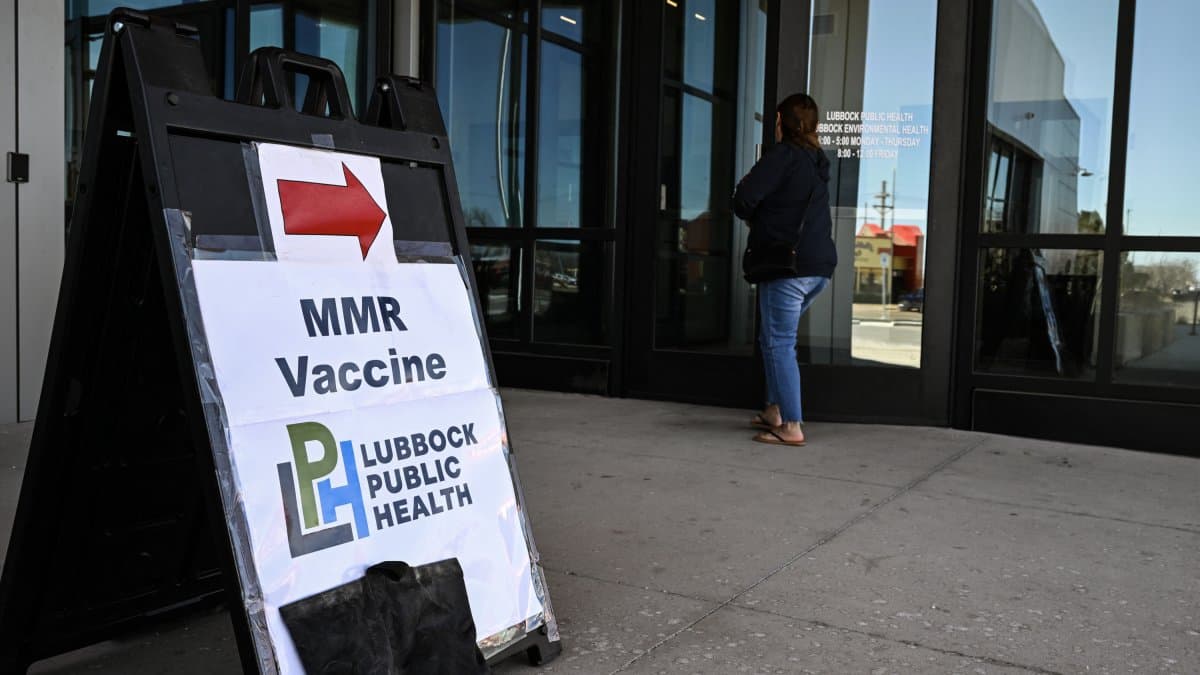
10. Up-to-date vaccines and boosters
In 2026, the vaccination schedule includes:
- Annual influenza vaccine.
- RRSV (respiratory syncytial virus) vaccines for those over 60 years of age.
- Tetanus and diphtheria boosters every 10 years.
- HPV vaccine for youth and adults up to age 45.

Politics
The Trump Administration is considering imposing new restrictions on the abortion pill mifepristone
Luis Francisco Orozco
The new era of preventive health in the U.S.
Wearables, monitoring apps and virtual consultations make it easier to track blood pressure, glucose, sleep and physical activity. In addition, genetic testing makes it possible to customize controls according to individual risk, while comprehensive care includes mental health, nutrition and social factors.
Investing in prevention generates significant medical savings, reduces hospitalizations and encourages healthier lifestyle habits. In this new era, prevention is no longer optional: it is the foundation for a longer, healthier life.
🛠 Do you think there is an error in this article?
Recommendations






LATEST