The vitamin myth: Do we really need dietary supplements?
Beyond the impact on health, experts warn about the unnecessary expense that these products represent, driven more by social media marketing than by clinical evidence.
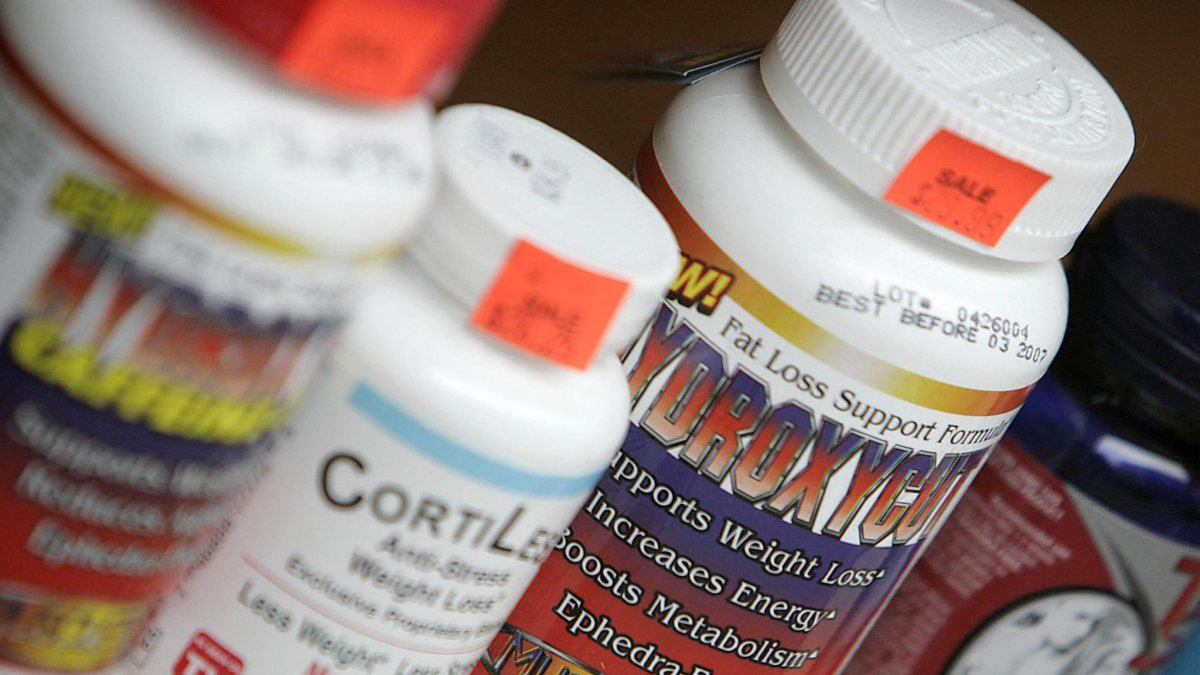
Vitamins and supplements are displayed in a store window.

Vitamins and dietary supplements are commonly referred to today as "magic" for boosting defenses and increasing energy immediately. However, for most healthy people these pills are unnecessary. According to the National Institutes of Health (NIH), the real secret to vitality is not in a bottle, but on your plate.
Beyond the impact on health, experts warn about the unnecessary expense represented by these products, driven more by social media marketing than by clinical evidence.
Balanced diet vs. supplements: What the science says
According to the Office of Dietary Supplements of the NIH, a varied and balanced diet provides almost all of the micronutrients needed. Unlike capsules, natural foods such as fruits, legumes and whole grains provide fiber and antioxidants that synthetic versions cannot replicate.
- Health and savings tip: it is more effective and economical to invest in fresh foods than in expensive multivitamins. A basket of seasonal fruits often provides more real benefits than a similarly priced monthly supplement.
Guide to vitamins needed according to age and profile
The NIH clarifies that supplementation should only be considered in specific groups and always under medical supervision to avoid self-medication:
1. Children and adolescents
- Vitamin D: recommended mainly if there is little sun exposure.
- Iron: only in cases of iron-deficiency anemia or deficiencies diagnosed by blood tests.
2. Adults and special diets
- In general, they do not require supplements if their diet is complete.
- Vitamin B12: essential for people on vegetarian or vegan diets, as this nutrient is found mostly in animal proteins.
3. Older adults
- Vitamin B12: absorption capacity decreases with age.
- Calcium and vitamin D: crucial for bone health, but only if dietary intake is insufficient.
Are multivitamins effective in preventing disease?
There is no conclusive evidence that multivitamin complexes prevent chronic diseases such as cancer or cardiac pathologies in people without previous deficiencies. In many cases, these products generate a false sense of protection, distracting the consumer from the real pillars of health: exercise and nutrition.

Health
Medicaid vs. Medicare: What is the difference, and which one is right for me?
Diane Hernández
The dangers of hypervitaminosis: When excess harms
The indiscriminate consumption of vitamins, especially the liposoluble ones (which are stored in the tissues and not easily eliminated by urine), carries serious risks:
- Vitamin A in excess: can cause hepatic (liver) damage.
- Vitamin D: risk of hypercalcemia (excess calcium in the blood).
- Vitamin C in megadoses: can lead to kidney stones and chronic digestive discomfort.
Frequently asked questions about the use of vitamins and supplements
The only reliable way to detect this is through a blood test prescribed by a physician. Symptoms such as extreme tiredness, hair loss or brittle nails may be signs of a deficiency, but may also be due to other health factors that a multivitamin will not resolve.
Is it bad to take multivitamins every day?
If you do not have a diagnosed deficiency, taking a daily multivitamin is usually unnecessary. At best, your body will eliminate the excess through your urine (colloquially known as "expensive urine"); at worst, you could develop hypervitaminosis, accumulating toxic levels of vitamins in organs such as the liver.
What vitamins are essential for those on a vegan or vegetarian diet?
Vitamin B12
This is the critical entity in this case, as it is found almost exclusively in animal products. Nutritionists agree that B12 supplementation is mandatory in plant-based diets to avoid neurological damage and anemia.
Can vitamins replace a poor diet
Roundly no. Supplements contain isolated nutrients, but lack the complex matrix of phytochemicals, enzymes and fibers found in natural foods. A pill cannot compensate for a diet high in ultra-processed and saturated fats.
What is the best time to take vitamins if my doctor prescribed them?
It depends on their solubility:
- Liposolubles (A, D, E, K): they should be taken along with meals containing some fat for the body to absorb them.
- Hydrosolubles (B complex, C): can be taken with water, preferably in the morning to take advantage of the energy boost from the B vitamins.
Supplement marketing: Health vs. commercial strategy
Promises of "total immunity" or "daily energy" that flood television often lack solid scientific backing. The NIH is emphatic: no supplement is a substitute for a healthy diet.
Investing in real food is not only a smart financial decision to avoid unnecessary expenses, but the surest way to ensure optimal nutrition.

Recommendations before buying vitamins
Before spending money on supplements, follow these steps recommended by professionals:
- Do not self-medicate: what works for someone else could be harmful to you.
- Clinical tests: perform laboratory tests if you suspect fatigue or weakness.
- Professional consultation: talk to a doctor or nutritionist to adjust your diet before resorting to pharmacology.
In conclusion: more fruits, less jars. Real health is built in the kitchen, not in the medicine cabinet.
LATEST