






Breast cancer in Latinas: Why you shouldn't skip a mammogram
In this article we will talk with official data and clear language about the real statistics of breast cancer in Latinas, when you should start getting mammograms, where to get them for free or at low cost, and how to perform a self-exam step by step.
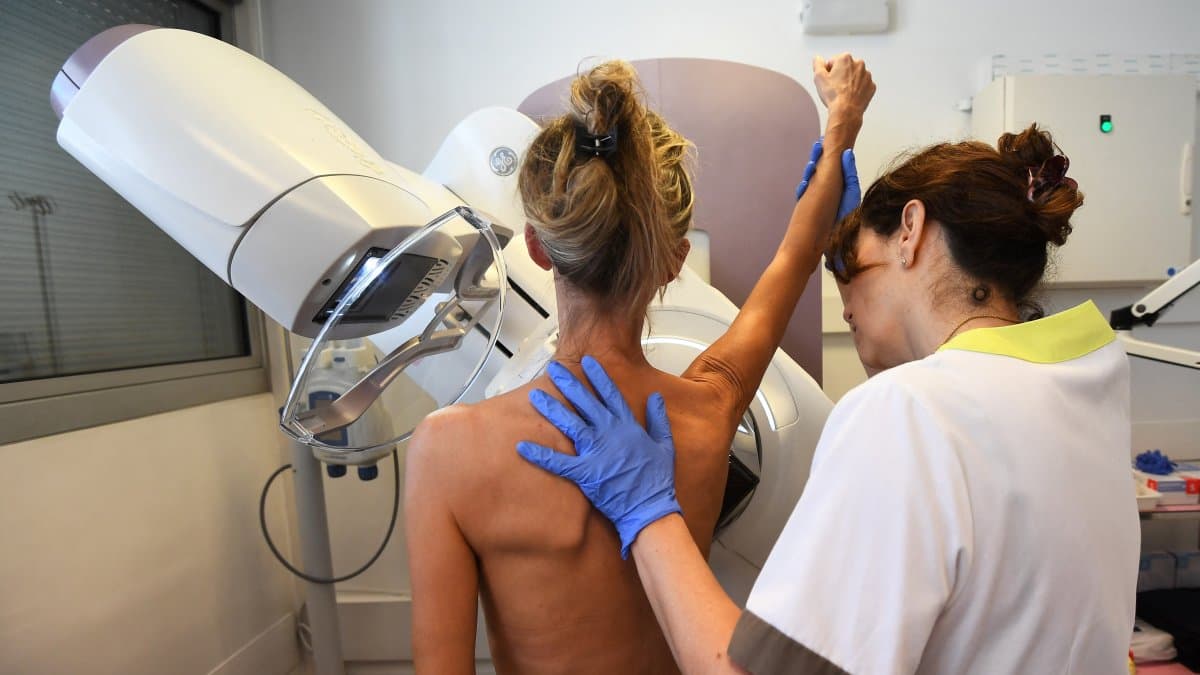

Breast cancer does not come with a warning, but it can come with a second chance when detected early. For many Latina women, talking about mammograms remains uncomfortable, distant or even scary. Between work, family, lack of health insurance or fear of a diagnosis, thousands of women put off - or avoid altogether - this potentially life-saving early detection exam.
The reality is clear: breast cancer is the leading cause of cancer-related death in Latina women. Often, the disease is detected in advanced stages, when treatment is more complex. However, with correct information, access to free resources and self-care habits, it is possible to change this pattern.
In this article we analyze the official statistics, screening guidelines for Hispanic women and where to get free or low-cost mammograms. Because taking care of your health is not a luxury: it is an act of self-love.
Breast cancer statistics in Latinas
Key figures in the Hispanic community:
New cases: Approximately 31,500 diagnoses annually in Hispanic women in the United States.Mortality: About 3,700 deaths annually in the Hispanic community.Delayed diagnosis: Although the overall rate is lower than in non-Hispanic white women, Latinas are much more likely to be diagnosed at advanced stages.
Data from the Centers for Disease Control and Prevention (CDC) show that mortality decline has been slower in our community due to persistent inequities in access to health care and timely diagnosis.
At what age should mammography screening begin?
Mammography is, today, the most effective tool for identifying abnormalities before visible symptoms appear. In this regard, medical organizations specializing in the subject have clear recommendations:
- At age 40: Recommended age to start regular screening, even without symptoms.
- At age 45 to 54: Annual mammography is recommended.
- After age 55: You can opt for a biennial schedule (every two years) or continue annually depending on personal risk.
- High-risk cases: If you have a direct family history, consult your physician to start testing before age 40.
Jackie knew her family health history put her at a higher risk for being diagnosed with breast cancer. That’s why she got genetic counseling and testing – to take control of her health. Learn more about Jackie’s story: https://t.co/j7SAZK2wb0 pic.twitter.com/8rExaVm9FU
Where to get them done for free or at low cost?
If you don't have health insurance or your coverage is limited, there are official programs that offer free or low-cost mammograms:
Public and nonprofit programs
National Breast and Cervical Cancer Early Detection Program (NBCCEDP) is a CDC program that provides free or low-cost screening mammograms and diagnostic services to low-income women without adequate health insurance.
To be eligible, you usually are required to be between the ages of 40 and 64 and have income below a certain federal threshold.
You can search for your state or territory's program through the official CDC site or by calling their helpline.
In addition, there are organizations that offer free mammograms or financial support for hard-to-reach women:
- National Breast Cancer Foundation -network of centers offering mammograms and support.
- Planned Parenthood - some centers help find affordable options.
- Community Health Centers and local federal health centers - many offer screening services at reduced rates.
Ask if your municipality or community hosts health fairs or awareness events in October (Breast Cancer Awareness Month), where free mammograms are often offered.
How to do a self-exam: a step-by-step guide
When to do it?
Once a month, preferably after your menstrual period (if you still have cycles).If you no longer have periods, choose a fixed day each month, such as the first day.
How to do it?
In front of the mirror:
Look at your breasts with your arms at your sides, then with your arms raised.Observe any changes in size, shape, puckered skin or inverted nipple.
Lying down:
Use the fingertips of your right hand to palpate your left breast (and vice versa).Press in small, firm "oval" or "circle" motions, covering the entire breast and armpit.
When standing or in the shower:
With the skin wet and slippery, repeat the same firm circular motion.Look for lumps, thickening or discharge from the nipple.
Warning signs (requiring immediate medical consultation):
New lump or hardening.Change in breast shape or size.Irritation, indentations or eczema on the skin of the breast.Unusual nipple discharge.
If you notice anything abnormal, consult a professional as soon as possible.
Taking care of your health is a life decision
Don't ignore your health: early detection saves lives. Mammograms make it possible to identify the disease in early stages, when treatments are less invasive, more effective and survival rates are significantly higher.
Breast cancer does not distinguish immigration status or language. Cultural barriers and fear have delayed diagnoses for far too long in our community. Prioritizing your annual mammogram is not just a medical checkup; it's about ensuring more years of life with your loved ones. Make your appointment today.
🛠 Do you think there is an error in this article?
Recommendations


LATEST