HPV vaccine: Key to preventing cervical and other cancers
It drastically reduces the risk of death from cervical cancer, one of the leading causes of death among Latin American women in the country.
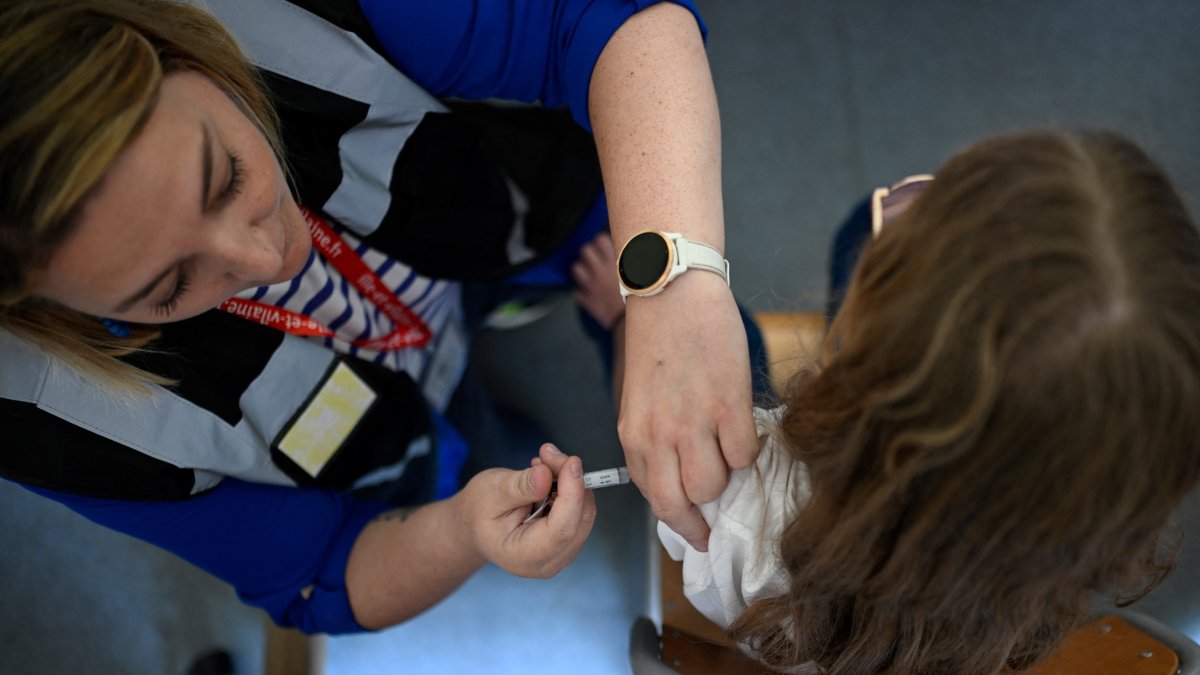
A nurse injects a dose of the human papillomavirus (HPV) vaccine.

The human papillomavirus (HPV) represents a set of more than 150 related viruses that are transmitted mainly by skin-to-skin contact during sexual intercourse. Although its prevalence is high, today we have a definitive prevention tool.
The human papillomavirus (HPV) vaccine is an effective and safe measure to prevent several types of cancer, especially cervical cancer, which disproportionately affects Latina women. Promoting its use among adolescents and young adults not only saves lives, but also allows us to separate immunization from stigmas about sexual activity, placing it in its true context: oncology prevention.
What is HPV and how is the virus spread?
HPV is one of the most common sexually transmitted infections (STIs). It is estimated that most sexually active people will contract it at some point if they do not have adequate protection.
- Low-risk types: Can cause genital warts.
- High-risk types: Are responsible for most cases of cervical cancer, as well as tumors in the vagina, vulva, penis, anus and oropharynx (throat).
Direct relationship with cervical cancer and other neoplasms
HPV is the main risk factor for cervical cancer, a disease that, with current protocols, is almost entirely preventable. Administration of the vaccine at the recommended ages can prevent more than 90% of cancers related to the virus.
In addition to the gynecologic setting, the vaccine offers comprehensive protection against:
- Oropharyngeal (throat and mouth) cancer.
- Anal cancer.
- Penile, vulvar and vaginal cancer.
Cervical cancer statistics
Other estimates incorporating 2025 projections indicate that there will be approximately 4,320 deaths attributable to this type of cancer in that year.
Hispanic women have higher rates of cervical cancer than non-Hispanic white women in the U.S., with an incidence rate of approximately 10.4 cases per 100,000 women, compared with 7.8 per 100,000 in the total female population.

Recommended age for the vaccine: When is it most effective?
Leading health organizations, such as the CDC (Centers for Disease Control and Prevention) and the American Cancer Society, stress the importance of early vaccination to maximize immune response:
- Preteens (9 to 12 years old): This is the ideal age. The CDC advises starting the series between 11 and 12 years of age, although it can be administered as early as 9. At this age, the immune system generates more robust and longer-lasting protection.
- Adolescents and young adults (13 to 26 years): It is recommended to complete the series if it was not received in childhood.
- Adults (27 to 45 years): Effectiveness decreases due to likely prior exposure to the virus, so the decision should be consulted with a health care professional. Even the American Cancer Society does not recommend vaccination after age 26.

Public health benefits of vaccination
Massive implementation of this drug has demonstrated tangible results:
- Mortality reduction: Drastically decreases the risk of death from cervical cancer, one of the leading causes of death in women in Latin America.
- Prevention of precancerous lesions: Avoids surgery and invasive treatments by detecting and stopping cellular abnormalities before they become tumors.
- Flock effect: By reducing virus circulation, even those who cannot be vaccinated are protected.
A safe and necessary health measure
LATEST