The Trump Administration changed the childhood vaccination schedule: here's what you need to know
According to the Centers for Disease Control and Prevention (CDC), the changes are aimed at increasing vaccination rates, empowering parents and restoring confidence in public health.


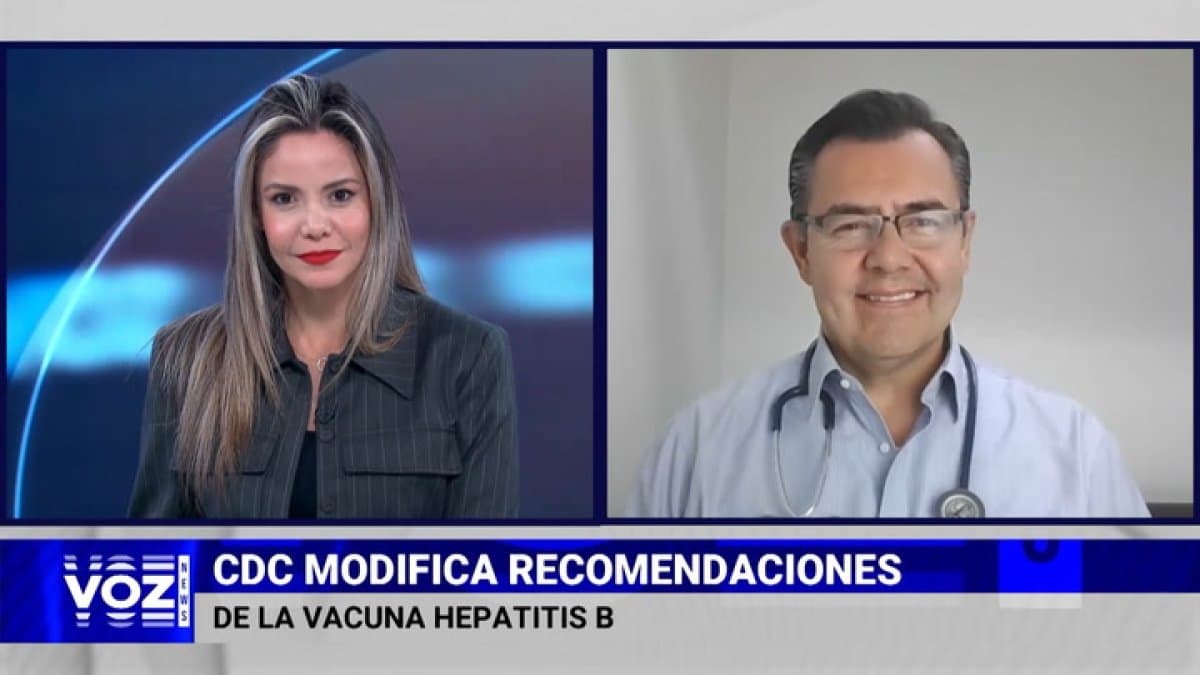
The Trump administration changed the childhood immunization schedule. As explained by the Centers for Disease Control and Prevention (CDC), they will move to recommending eighteen vaccines as routine immunizations for all children, instead of eighteen. The CDC stressed that the modifications aim to raise vaccination rates, empower parents, and restore confidence in public health.
A month ago, President Donald Trump asked CDC acting director Jim O'Neill to lead a review of the vaccination schedule, comparing it to other developed countries. In a statement, O'Neill said he communicated with his peers in countries such as Germany, Denmark and Japan, as well as with various local agencies, resulting in a series of recommendations to implement.
"The assessment reviewed 20 peer-developed nations and found that the U.S. is a global outlier among developed nations in both the number of diseases addressed in its routine childhood vaccination schedule and the total number of recommended doses but does not have higher vaccination rates than such countries. In fact, many peer nations that recommend fewer routine vaccines achieve strong child health outcomes and maintain high vaccination rates through public trust and education rather than mandates. For example, in 2024, the U.S. recommended more childhood vaccines than any peer nation and more than twice as many doses as some European nations," explained the communique.
"After an exhaustive review of the evidence, we are aligning the U.S. childhood vaccine schedule with international consensus while strengthening transparency and informed consent. This decision protects children, respects families, and rebuilds trust in public health," added Health and Human Services Secretary Robert Kennedy Jr.
What changes with the new recommendations?
Under the accepted recommendations, the CDC will organize the childhood immunization schedule into three distinct categories: vaccines recommended for all children, vaccines recommended for certain high-risk groups or populations, and immunizations based on shared clinical decision-making.
The first category includes the following: measles, mumps, rubella, polio, pertussis, tetanus, diphtheria, Haemophilus influenzae type B (Hib), pneumococcal disease, human papillomavirus (HPV), and varicella (chickenpox) vaccines.
Compared with 2025, the CDC removed the following vaccines from the universal recommendation category: hepatitis B, rotavirus, acute bacterial meningitis (MenACWY), hepatitis A, and influenza.
Details of the new schedule can be found here.
Today, I updated the United States childhood and adolescent immunization schedule to recommend routine vaccination for all children against 11 diseases.
Last month, President Trump asked me to review the immunization schedules of other developed nations and consider their best… pic.twitter.com/zwRLEIYC7u
A key part of the announcement is that no vaccine will be banned or withdrawn from access: all vaccines, including those now not routinely recommended, will remain available and covered by insurance at no cost to families.
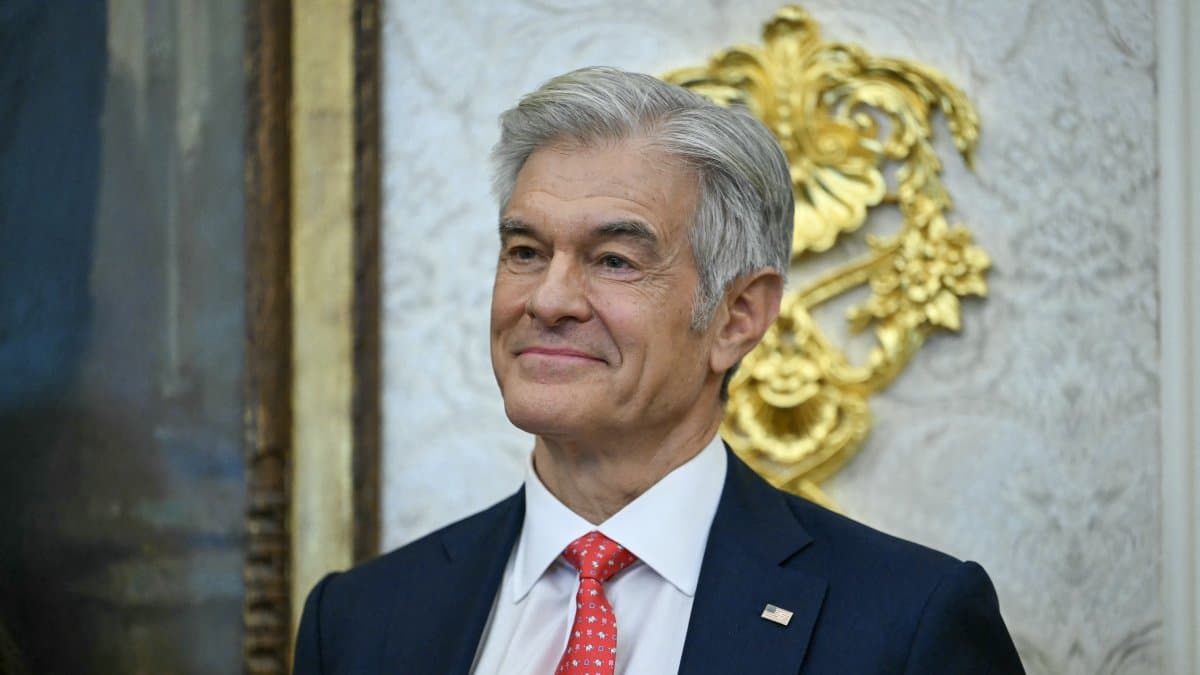
"All vaccines currently recommended by CDC will remain covered by insurance without cost sharing. No family will lose access. This framework empowers parents and physicians to make individualized decisions based on risk, while maintaining strong protection against serious disease," said Mehmet Oz, administrator of the Centers for Medicare and Medicaid Services (CMS).
O'Neill also said he seeks to combat the decline in public confidence in healthcare institutions seen over the past five years, coupled with a decline in childhood immunization rates and an increased risk of vaccine-preventable diseases.
"The public health establishment expended a fair amount of trust over the past few years, and we are working to earn it back. One of the consequences was parents declining recommended vaccines for their children. Parents who think that more than 80 doses per child is too many may now consider giving their children the ten vaccines in the international consensus of 20 nations, plus the varicella vaccine," he added.
🛠 Do you think there is an error in this article?
Recommendations





LATEST