All you need to know about lenacapavir, the injectable drug that prevents HIV
Its clinical trials have shown an efficiency close to 100%, and even the World Health Organization qualified the drug as highly effective and with the potential to drastically reduce global infections.

Lenacapavir is a drug created by Gilead Sciences that prevents HIV.

For the past few decades, the human immunodeficiency virus (HIV) has been one of the world's biggest health problems due to the number of infections and the way it weakens the immune system to the point where it can eventually lead to AIDS, which is the most advanced and dangerous stage of the infection. While there seemed to be no major solutions to solve this problem at its root, the injectable drug lenacapavir has arrived as one of the most important innovations of recent years, being able to prevent the onset of the virus, with only two injections a year being necessary.
Its clinical trials have shown an efficiency close to 100%, and even the World Health Organization (WHO) rated the drug as highly effective and with the potential to drastically reduce global infections by 30-50% in the populations most besieged by HIV.
What is it and how does it work?
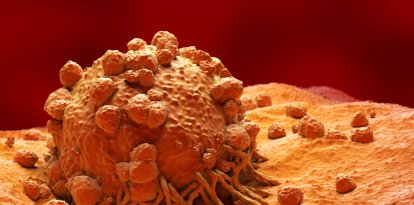
Lenacapavir is nothing more than a first-in-class HIV capsid inhibitor, which interrupts the viral life cycle by combining with the virus' protein capsid, which is a kind of "shield" that protects its genetic material and enzymes during replication. Unlike some antiretrovirals that only act at one stage, lenacapavir interferes with the virus entry, integration and assembly phases, making it highly effective against the most resistant strains.
The drug can be administered subcutaneously in the arm, thigh or abdomen, with an initial dose of two oral tablets for rapid loading, followed by injections of 927 mg, with one every 26 weeks. This formulation maintains strong protective levels against HIV for up to six months.

Society
More than 2,000 Oregon hospital patients may have been exposed to diseases such as HIV and hepatitis
Williams Perdomo
Who is the HIV-fighting drug for?
Lenacapavir is indicated for adolescents over 16 years of age and adults who weigh at least 35 kilos and are at high risk of contracting HIV, as is the case in very high-prevalence regions such as sub-Saharan Africa, where the incidence in young people and women is 3.5 per 100 people per year. In these cases, people who want to make use of it will need to show negative HIV tests and even undergo monitoring to confirm their negative status every three months and detect early stage infections if they exist.
For those who have already contracted the virus, the drug can be used as a treatment in addition to other anti-HIV drugs if HIV treatment is not working.
Side effects and precautions
In prevention cases, after several clinical trials, it has been shown that lenacapavir is generally well tolerated by patients, with 68% of patients reporting typical post-injection symptoms such as mild erythema, swelling and pain. On the other hand, another side effect that some patients have come to experience has been nausea, as well as headache or diarrhea. However, these have been a low enough number not to consider these symptoms common.
Access to and cost of lenacapavir
While currently ethe cost per injection is $28,000, a recent agreementbetween the drug's manufacturer, Gilead Sciences, and six other generic companies will enable production for 120 low-income countries, thus allowing that, by 2027, lenacapavir will be available in 120 low-income countries.b>by 2027, the price for two doses of lenacapavir in these countries will be as low as $40, which would represent a major turning point in the global fight against HIV.
Currently, the drug is covered by Medicare in the United States, and even the Centers for Disease Control and Prevention (CDC) officially recommended its use since last September, assuring that lenacapavir has not only shown a very high efficiency, but that its side effects are minor enough to be considered a drug that patients would not be at greater risk of taking.
LATEST