What is the Supplemental Nutrition Assistance Program (SNAP) and how does it work?
SNAP is designed for low-income or economically vulnerable individuals and families.
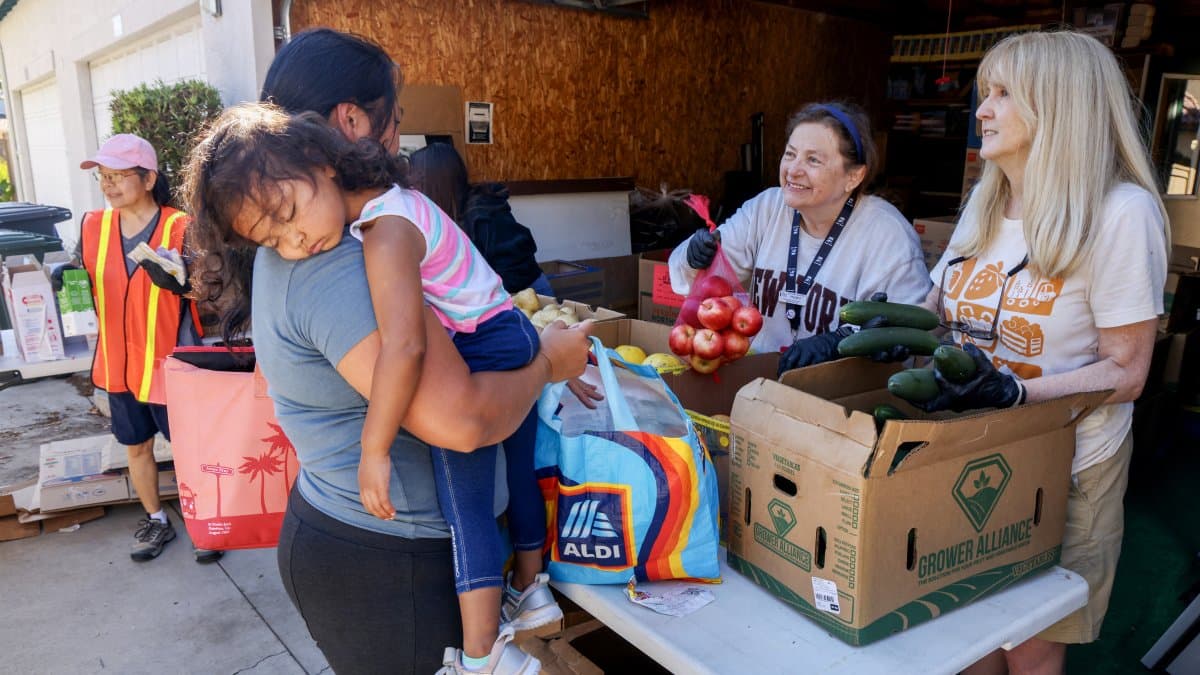

The Supplemental Nutrition Assistance Program (SNAP), known in Spanish as el Programa de Asistencia Nutricional Suplementaria, is the main federal food assistance initiative in the United States. Its goal is to ensure that millions of low-income families and individuals have access to nutritious food and enough to meet their basic needs.
What does SNAP provide?
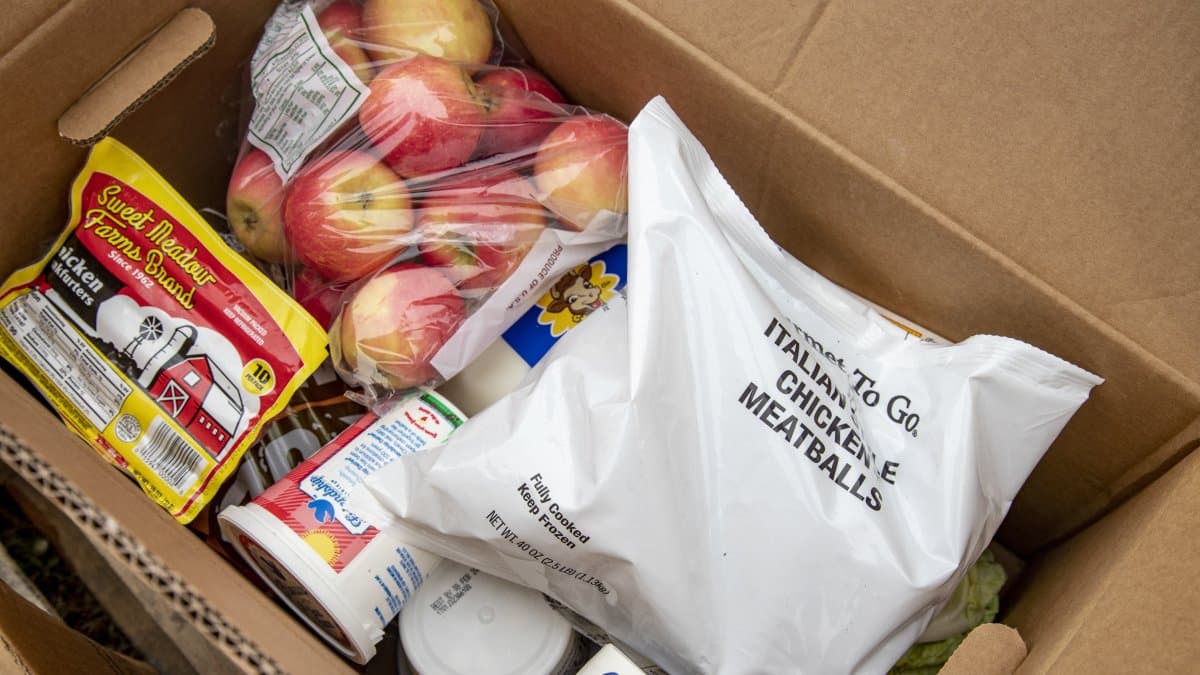
Through SNAP, beneficiaries receive an electronic benefits transfer (EBT) card, which works like a debit card. With it, they can purchase eligible foods such as fruit, vegetables, meat, dairy products, bread and cereal at supermarkets, grocery stores and authorized farmers' markets across the country.
The program does not cover non-food items, prepared foods or alcoholic beverages.
Society
USDA warns of possible suspension of food subsidies due to government shutdown
Diane Hernández
Who can receive SNAP?
SNAP is designed for low-income or economically vulnerable individuals and families. Eligibility criteria include:
- Income level: Varies by household size and federal poverty standards.
- Household expenses: Housing, utilities, child care and health care costs are considered.
- Immigration and employment status: In general, beneficiaries must be U.S. citizens or have lawful permanent residence.
Each state administers applications independently, although the basic rules are set by the United States Department of Agriculture (USDA).
How the EBT card works
The EBT (Electronic Benefit Transfer) card replaced the old "food stamps" and can be used in a simple way:
- The beneficiary receives a monthly amount in his or her SNAP account.
- The card is swiped through the payment reader at the cash register.
- The value of approved food is automatically deducted.
In addition, in many states the EBT card can be used to buy groceries online on platforms such as Amazon, Walmart and Instacart.
Social and economic impact of SNAP
According to USDA data, every dollar invested in SNAP generates up to $1.50 in economic activity, making it an essential program not only for public health, but also for the financial stability of many regions.

Politics
Trump administration withdraws junk food from SNAP program in six more states
Carlos Dominguez
Why is SNAP important today?
In times of economic crisis, government shutdowns or natural disasters, SNAP is a fundamental pillar of social support. Its continuity is vital for millions of families who depend on this monthly benefit to guarantee their food.
.@SecKennedy: “Parents are facing heartbreaking choices between paying for medication or putting food on their tables. This is not acceptable in the United States of America.” pic.twitter.com/H5PxsbhsXq
The program, moreover, reflects the U.S. government's commitment to the fight against hunger and inequality, reinforcing food security in all states.
🛠 Do you think there is an error in this article?
Recommendations








LATEST