Aesthetic Bichectomy: Always for medical indication and not for viral tendencies, warns Dr. Eduardo Cardona
The treatment is a surgical procedure that consists of the partial resection of Bichat's balls, deep fat structures located in the cheeks. "It is valid, as long as it is well indicated", specifies the professor and specialist Dr. Eduardo Cardona.
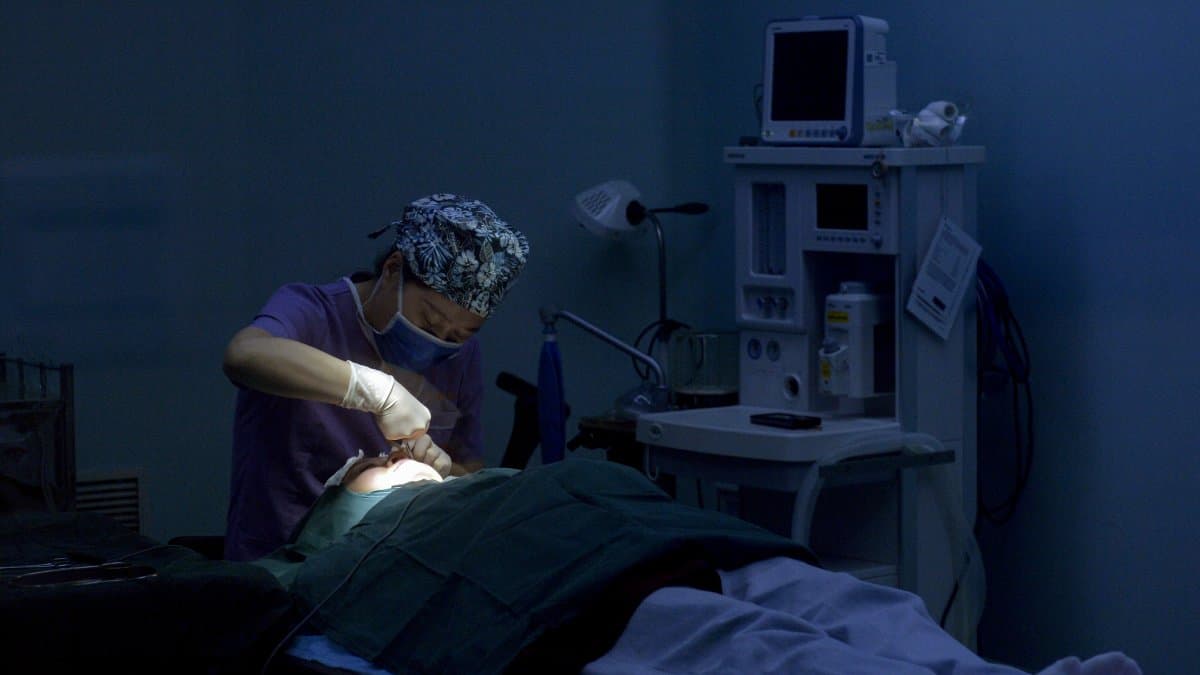

In recent years, aesthetic procedures have experienced exponential growth, driven, in large part, by social media. Angulated faces, marked jaws and sunken cheeks have become viralized beauty standards that, in many cases, do not consider the patient's anatomy, age or real needs.
One of the clearest examples is that of the bichectomy, a surgical procedure that consists of the partial resection of the Bichat balls, deep fat structures located in the cheeks.
"It is a valid treatment, as long as it is well indicated," says professor and specialist Dr. Eduardo Cardona.
Bichectomy is neither a new nor an inherently negative procedure. Performed on carefully selected patients - generally young, with rounded faces, good skin quality and no sagging -, it can provide facial harmony and satisfactory results.
"The problem arises when it is performed for fashion and not for medical indication, responding to viral trends rather than clinical criteria," highlights the creator of The Cardona Method, a training model in advanced aesthetics.
The rise of such treatment in social media has led many people with thin faces, marked bone structures or initial signs of aging to undergo bichectomy without being suitable candidates. In these cases, the consequences are not always immediate, but progressive, warns the doctor.

Reported complications and unwanted effects
Among the main complications associated with poor indication or excessive resection are:
- Mature sagging of the midface
- Aged or emaciated appearance over the years
- Facial asymmetries
- Mouth nerve injury
- Damage to Stensen's duct (parotid gland)
- Damage to the Stensen's duct (parotid gland)
- Irreversible loss of facial support
"It is important to note that buccal fat serves a structural and protective function, especially in the long term, and its indiscriminate removal can accelerate the signs of facial aging," warns Cardona.
He adds that modern aesthetics is moving toward a more conservative and personalized approach, prioritizing volume preservation and skin quality over permanent tissue resection.
"One must be aware that not everything that is trendy is safe for everyone, and that patient education is key to avoiding irreversible damage. A good esthetic result does not follow fashions, it follows medical indications," reminded the doctor.
The responsibility lies with both health professionals and patients: to evaluate, inform and decide with clinical criteria, not with filters.
🛠 Do you think there is an error in this article?
Recommendations





LATEST