Peace Awaits: US and Iran postpone their first round of talks amid escalation in Lebanon
The White House attributed the postponement to logistical issues and assured that the U.S. delegation remains ready to begin talks as soon as possible.
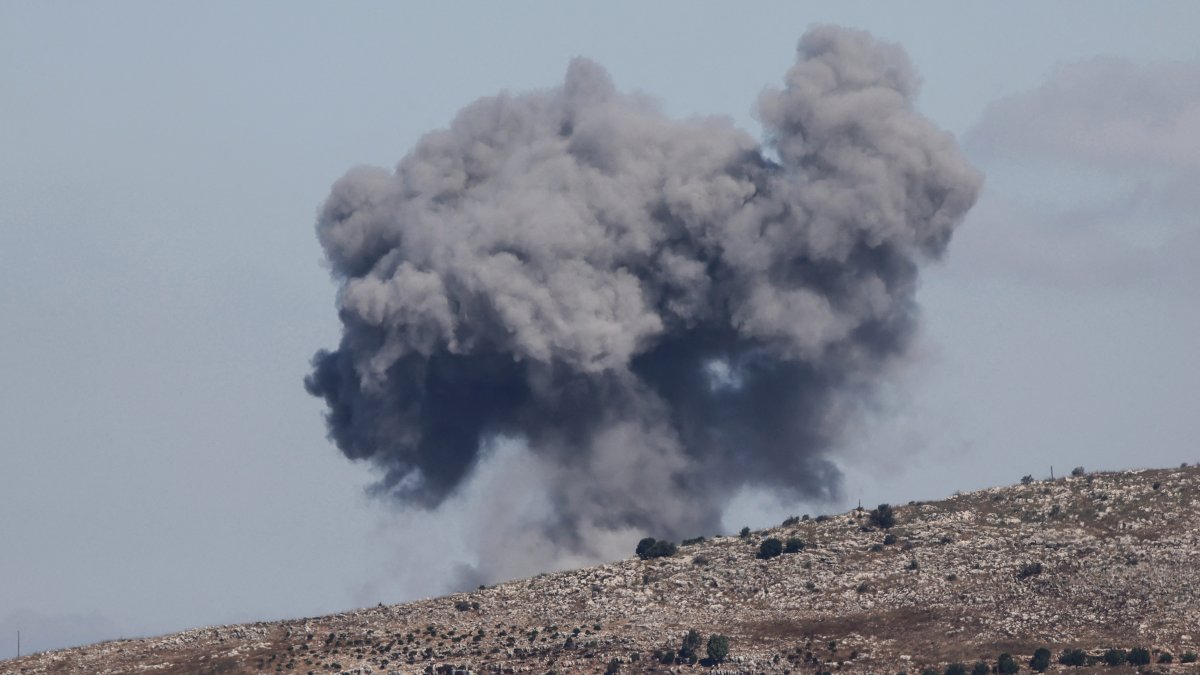
Image of the southern Lebanese town of Marjayoun showing smoke rising after an Israeli airstrike

The negotiations scheduled for this Friday between the United States and Iran in Switzerland were postponed indefinitely after both delegations suspended their travel, against a backdrop marked by ongoing fighting in southern Lebanon and difficulties in consolidating the recent framework agreement signed between Washington and Tehran.
The Swiss Ministry of Foreign Affairs confirmed
The decision came after the U.S. vice president, JD Vance, canceled his trip to Switzerland. The White House attributed the postponement to logistical issues and assured that the U.S. delegation remains ready to begin talks as soon as possible.
"Plans for the upcoming technical talks have not yet been finalized, and the U.S. delegation is ready to depart as soon as the opportunity arises," the White House said, according to AFP. "The logistics of these negotiations have never been simple or predictable."
For their part, Iranian sources indicated that Tehran suspended its delegation’s participation due to the ongoing Israeli military operations against Hezbollah in southern Lebanon, a factor that threatens to complicate the implementation of the agreement reached this week.
An agreement yet to be fleshed out
The negotiations were intended to be the first step toward working out the details of the memorandum of understanding signed on Wednesday at the Palace of Versailles in France by President Donald Trump and his Iranian counterpart, Masud Pezeshkian.
The document establishes a 60-day negotiation framework aimed at ending the conflict that began on February 28 following attacks by the United States and Israel against Iran. Key issues include the future of the Iranian nuclear program, as well as regional security mechanisms and the gradual lifting of economic sanctions.
Iran’s Supreme Leader, Mojtaba Khamenei, endorsed the agreement, though he cautioned that future direct talks with Washington do not mean accepting U.S. positions.
Similarly, the speaker of the Iranian Parliament and Tehran’s chief negotiator, Mohamad Baqer Qalibaf, stated that Iran will respond firmly to any breach of the agreement or demands it deems excessive.
Latest updates on the conflict in Lebanon
Clashes continue in Lebanon
While diplomatic efforts face difficulties, the conflict remains active in Lebanon, according to the official Lebanese news agency NNA.
For its part, Israel confirmed the deaths of four soldiers in recent clashes triggered by Hezbollah’s repeated violations of the ceasefire. Following these developments, Israeli National Security Minister Itamar Ben Gvir made further belligerent statements, declaring that “all of Lebanon must burn.”
Vance’s harsh criticism of those questioning the agreement
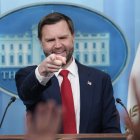
During a press conference at the White House, Vance defended the deal spearheaded by President Donald Trump and reiterated that the United States remains Israel’s primary ally, while rebuking some members of the Israeli cabinet for attacking the man he described as the only world leader fully committed to the security of the Jewish state.
Vance responded specifically to criticism from Ministers Itamar Ben-Gvir and Bezalel Smotrich, who consider the agreement insufficient because it does not explicitly address Iran’s ballistic missile program or dispel all doubts about Tehran’s nuclear capabilities.
The vice president questioned the strategy of those who favor a military-only approach and underscored the extent of U.S. support for Israel, noting that a large portion of its defense systems have been supplied and funded by Washington.
Politics
JD Vance responds to critics on the conservative wing and warns Israel’s cabinet not to isolate its greatest global ally
Andrés Ignacio Henríquez
Partial improvement in energy markets
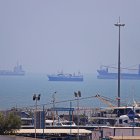
At the same time, there have been signs of relief in the international energy markets. Maritime traffic began to return to normal in the Strait of Hormuz, a strategic route for global hydrocarbon trade that had faced significant restrictions during the conflict.
According to JD Vance, U.S. forces have facilitated the passage of more than a dozen vessels through the area. As a result, international oil prices have continued to fall and stood below $80 per barrel on Friday, approaching levels seen before the outbreak of the war.
President Donald Trump welcomed the developments in the energy markets and described the drop in crude oil prices as “a success,” although geopolitical uncertainty continues to shape the outlook for the region.
For now, both Washington and Tehran remain committed to resuming talks, although the escalation in Lebanon and disagreements over the terms of the agreement continue to pose significant obstacles to achieving a lasting peace.
LATEST