JD Vance responds to critics on the conservative wing and warns Israel’s cabinet not to isolate its greatest global ally
Vance urged lawmakers to have faith in Trump’s leadership and called the idea that the president would ratify an agreement harmful to the nation “absurd.”
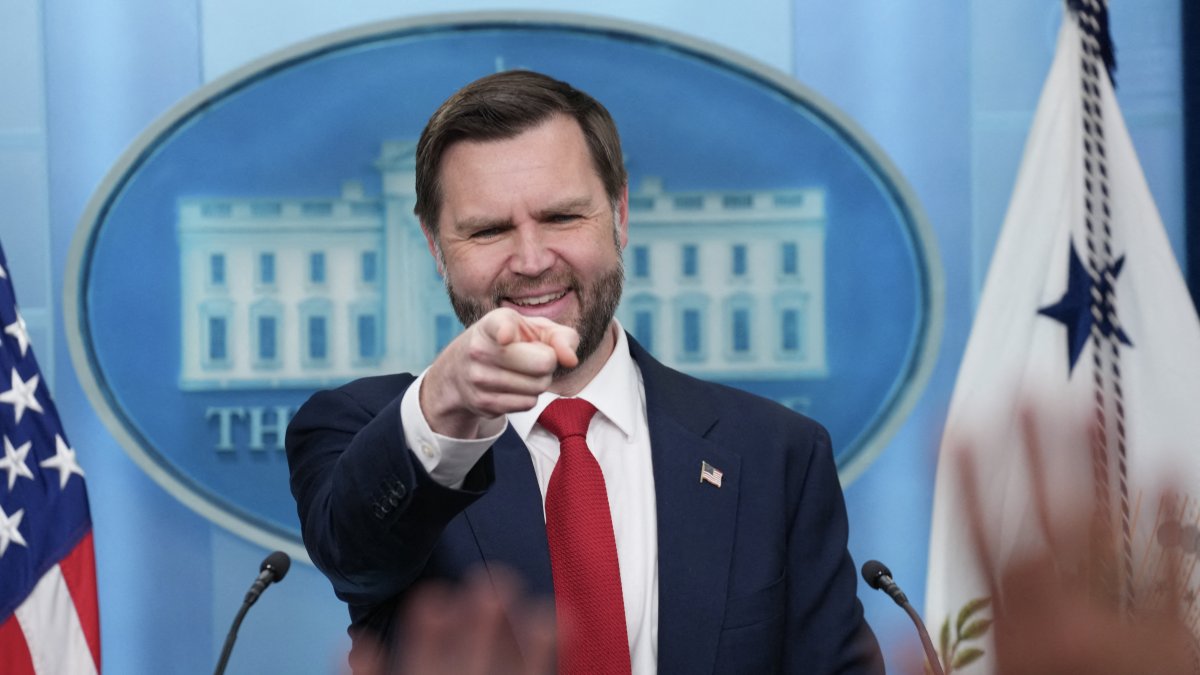
Vice President JD Vance at the White House on Thursday.

From the White House, Vice President JD Vance addressed the growing wave of criticism following the signing of the memorandum of understanding (MOU) between President Donald Trump and Iranian President Masoud Pezeshkian.
Vance dismissed the criticisms as “fundamentally false” and defended the administration’s approach, noting that the agreement is strictly designed to reward good behavior and punish wrongdoing.
The White House’s second-in-command addressed the discontent expressed by key figures in the Republican Party. Senator Ted Cruz stated that the president is receiving poor advice, while the chairman of the Senate Armed Services Committee, Roger Wicker, warned that the agreement jeopardizes previous military victories.
In response, Vance urged lawmakers to have faith in Trump’s leadership and called the idea that the president would ratify an agreement harmful to the nation absurd.
Political warning to international allies
The unease over the pact also led to intense friction with the Israeli government.
In light of reports that Prime Minister Benjamin Netanyahu is outraged and statements by National Security Minister Itamar Ben-Gvir, who asserted that the agreement does not bind Israel, Vance issued a stern diplomatic reminder.
“If I were in the Israeli government’s cabinet, I might not be attacking the only powerful ally I have left in the entire world,” the vice president asserted.
He also noted that during the last quarter, two-thirds of the defensive weapons used to protect Israeli territory were manufactured by American workers and paid for with U.S. taxpayers’ money.
Realism on sanctions and proposals kept strictly confidential
When asked about economic concessions to Tehran, Vance downplayed the suspension of oil sanctions.
He argued that these restrictive measures had become ineffective because Iran continued to sell crude oil at full price on international markets, asserting that the real leverage lies in the naval blockade implemented by the Navy.
According to the vice president, lifting the formal veto will allow the Treasury Department to accurately track the Tehran regime's financial flows.
U.S. media have reported that there are allegedly secret working proposals aimed at charting a path toward a possible final nuclear agreement.
In this regard, Vance confirmed that some of the so-called “gentlemen’s agreements” exist in writing, but clarified that the White House does not trust the Islamic Republic’s promises.
The Trump administration emphasized that the process is technical and will be evaluated strictly on empirical verification of Iran’s actions during the 60-day negotiation period that began this Thursday.

LATEST