ANALYSIS
Reform UK proposes deploying the Royal Navy to curb illegal migration in the English Channel
Zia Yusuf, one of the leaders of Reform UK, defended the measure in an interview with the BBC and described it as a "last resort." Yusuf stated, "We've reached that point," after visiting the Spanish enclave of Ceuta, which has also seen a massive influx of migrants.
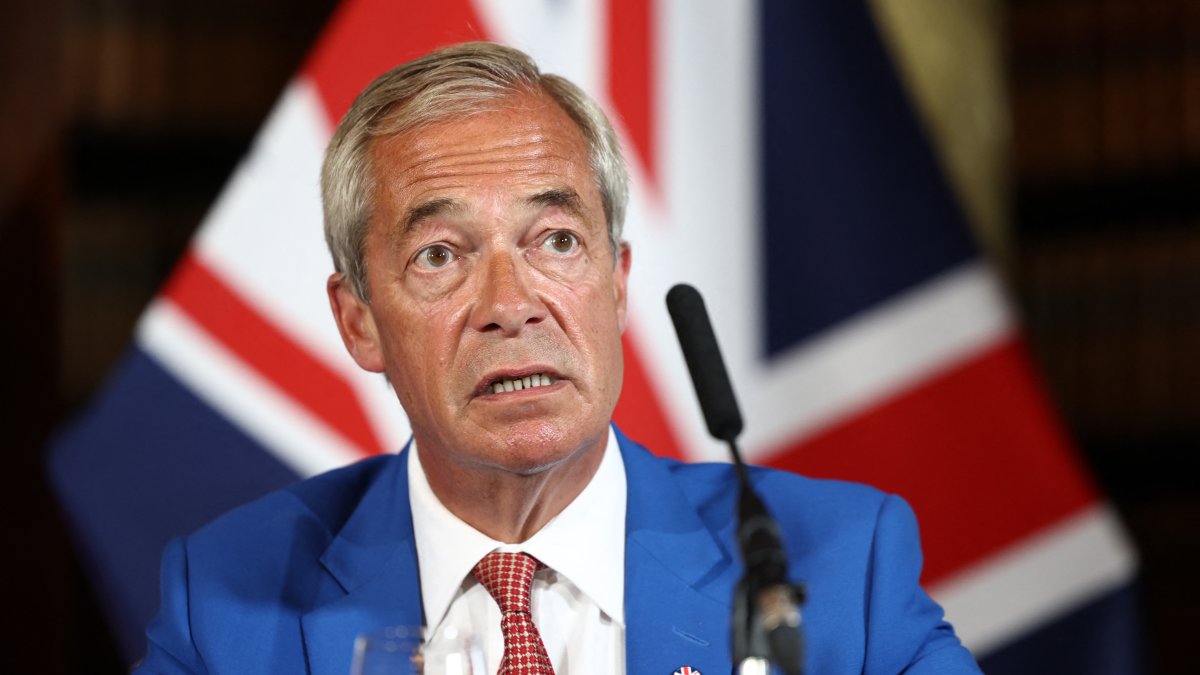
Nigel Farage, leader of Reform UK

The right-wing party Reform UK unveiled on Monday one of the most forceful proposals in recent years regarding border control: Operation Fortress. If it comes to power, it will deploy the Royal Navy to intercept migrant boats crossing the English Channel from France and immediately return them to the French coast. This would be the largest military operation in those waters since World War II.

Zia Yusuf, one of the leaders of Reform UK, defended the measure to the BBC and described it as a "last resort." Yusuf stated: "We've reached that point," after visiting the Spanish enclave of Ceuta, which has also seen a massive influx of migrants. Like other European sovereigntist groups, Reform UK believes that the current open-border policy and the lack of real deterrence are eroding the country's security and social cohesion.
In the face of criticism from the Labour Party, Reform UK defends border control
According to AFP, the Labour Party immediately rejected the proposal and accused Reform UK of "recycling an old ad" to divert attention from investigations into party finances and undeclared donations linked to Nigel Farage, as well as an ethics inquiry into MP Richard Tice. However, for many Britons tired of seeing border control slip away, this criticism sounds more like a distraction than a serious response to the problem.

Society
Judge limits BBC's strategy in Trump's lawsuit over a documentary about Jan. 6
Diane Hernández
Operation Fortress is not just a military measure: it is a clear message that the United Kingdom must regain control of its borders. While the Labour government continues to rely on agreements that do not stop crossings, Reform UK is proposing a policy of real deterrence. If the smuggling rings realize that the boats will be intercepted and turned back, the incentive to risk lives in the Channel will disappear.
Agreements with France do not stop the small boats
These numbers demonstrate that the problem is far from being resolved and that bilateral agreements with France, including the one signed in April with British funding, have failed to deter the smuggling rings or stem the flow.
LATEST