






An Iron Fist and Gulf Diplomacy: The United States Has Diverted 139 Ships in the Strait of Hormuz While the United Arab Emirates Agrees to Provide Billions to Tehran
From Washington, the White House insists that this deployment is intended to ensure free international transit.
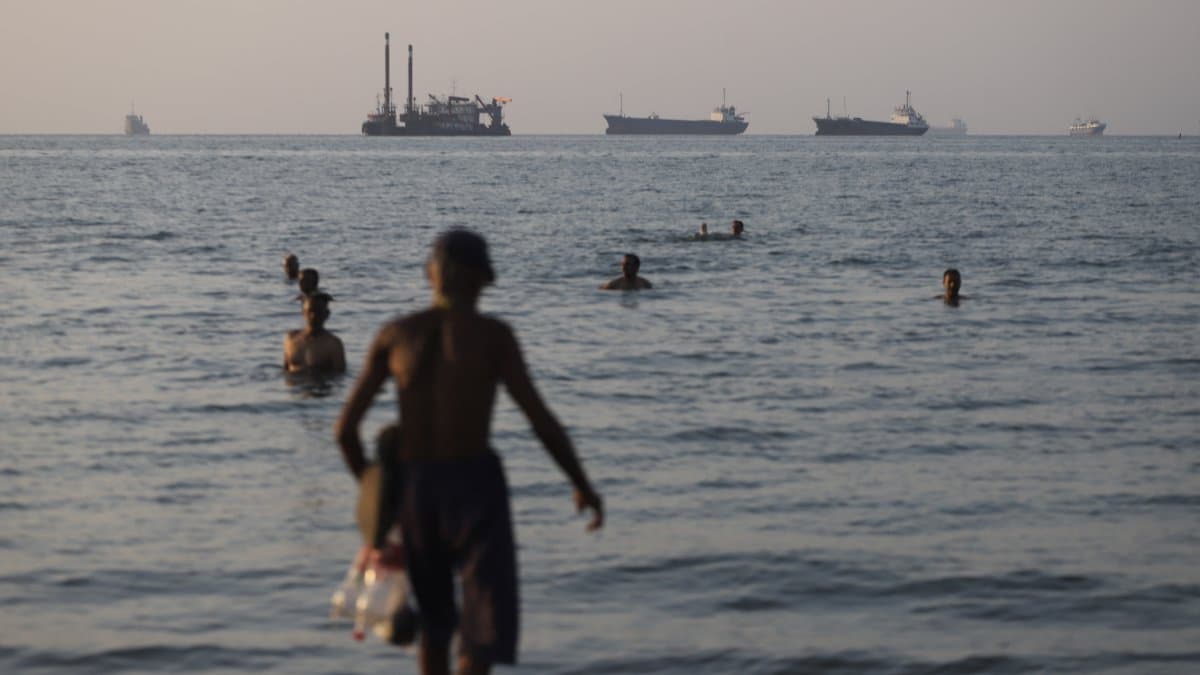

The U.S. Central Command (CENTCOM) confirmed on Friday the continuation and tightening of the naval blockade that U.S. military forces have been enforcing against the Islamic Republic of Iran since April 13.
Through an official operations report , the U.S. military authority confirmed that its units deployed in the region have successfully redirected a total of 139 commercial vessels in the Strait of Hormuz.
Likewise, the strategic command reported that nine vessels that showed resistance or “non-compliance” with inspection orders were disabled by U.S. naval forces.
“U.S. forces continue to strictly enforce the blockade against Iran,” the military stated through its official channels on X.
From Washington, the White House insists that this deployment is intended to ensure free international transit and counter the hostilities of the Ayatollah regime and its satellite militias.
Funds in exchange for a ceasefire
While the Pentagon chokes off Tehran’s supply lines, the diplomacy of the Persian Gulf petro-monarchies has taken a pragmatic course motivated by the preservation of their financial stability.
An exclusive investigation by Reuters revealed this Friday that the government of the United Arab Emirates (UAE) has agreed to unfreeze a sum ranging between $10 billion and $20 billion in favor of the Iranian regime.
The measure is the result of secret negotiations aimed at curbing the waves of drone and missile attacks that Iranian forces carried out against the Emirati enclave during the recent regional military escalation.
According to diplomatic sources consulted by Reuters, the latest direct incursion into Emirati territory occurred on May 4 at the port facilities in Fujairah.
Iran’s military intimidation campaign had begun to empty Dubai’s hotel infrastructure, driving away foreign investors and compromising its position as the hemisphere’s business hub.
Reports indicate that a delegation from Iran’s Revolutionary Guard visited Abu Dhabi last week, staying at the official residence of Sheikh Tahnoun bin Zayed al Nahyan, a local national security advisor, with the aim of establishing this financial transfer mechanism in exchange for a mutual commitment to non-aggression and the resumption of economic intelligence sharing.
An Emirati spokesperson defended the decision by arguing that his country’s policy focuses on “promoting de-escalation and reducing tensions throughout the region.”
Washington rules out sanctions relief before denuclearization
The bilateral pact between Abu Dhabi and Tehran coincides with the final stages of technical deliberations being held by White House diplomats with the Iranian government for the signing of a memorandum of understanding.
A senior Trump administration official confirmed to the media that the terms Washington is promoting unambiguously require the complete dismantling of Iran’s nuclear infrastructure.
“This means that the United States will obtain the enriched material,” the source revealed, clarifying that all processed uranium “would be destroyed on site and subsequently removed from the country.”
In response to reports circulating on Tehran-based platforms, the White House has been quick to distance itself from any perception of institutional weakness.
U.S. Vice President JD Vance categorically emphasized that the potential agreement does not provide for the granting of automatic economic incentives.
The vice president clarified that the easing of trade sanctions and access to international assets frozen by the Western banking system are strictly contingent upon the verifiable and phased fulfillment of the obligations undertaken by the Iranian regime.
🛠 Do you think there is an error in this article?
Recommendations





LATEST