Mocking the media is not an attack on freedom of speech: Few presidents have empowered the press as much as Trump
Trump is one of the presidents who interacts most with the press. His administration has granted the media access that stands in stark contrast to Biden's limited appearances.
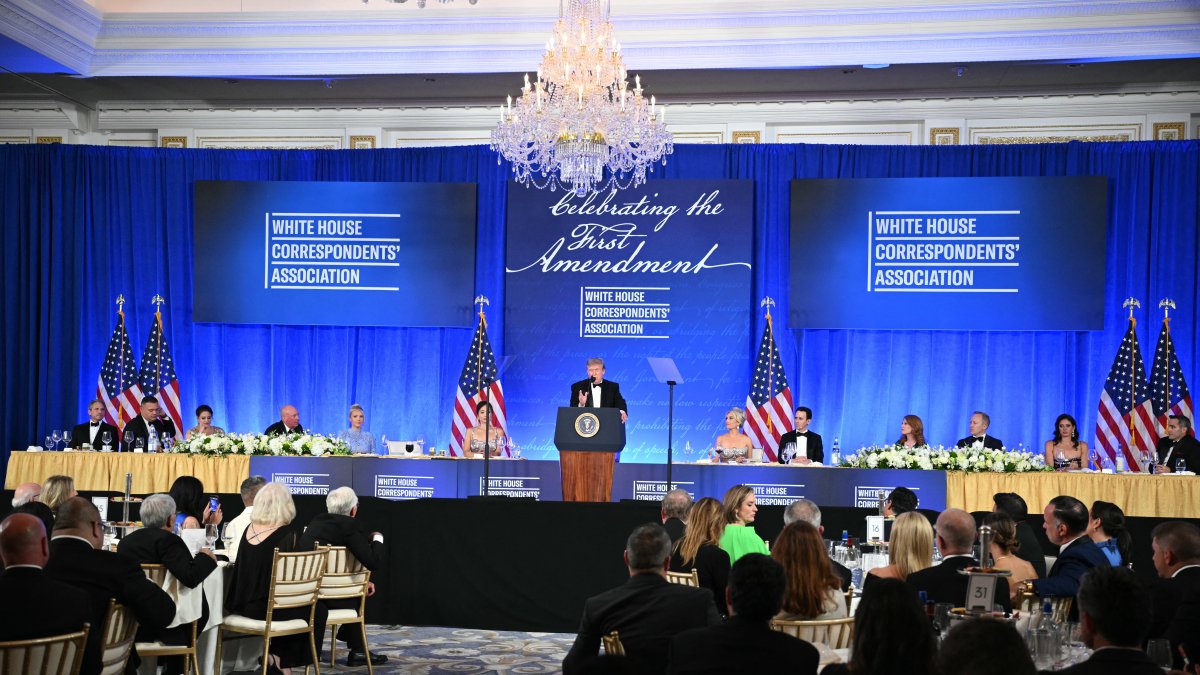
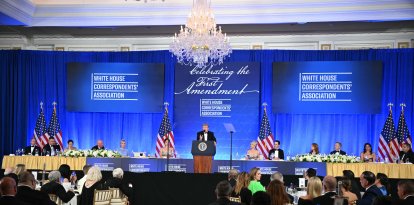
Trump at the White House Correspondents' Dinner.
Mocking the media is not an attack on free speech. Although the media—now offended—may try to claim otherwise, the truth is that they have benefited from a fairly open and transparent administration.
At the Correspondents' Dinner on June 24—rescheduled following the April 25 attack at the Washington Hilton—President Trump took the opportunity to showcase his comedic talents and launched a sort of roast against his adversaries in the press.
In my opinion, the jokes were excellent. Harsh, some in poor taste, but excellent. He mocked Kaitlan Collins, the CNN reporter; Bari Weiss, his aspirations to run for a third term, and even members of his cabinet, such as RFK Jr.
The audience barely laughed. Some are calling it a failure. But Trump didn't take the stage to elicit laughter. The best thing about Trump's comedic side is that it comes naturally. His success doesn't depend on how many laughs he gets, but on the fact that, as president of the world's most powerful nation, he can take certain liberties to be politically incorrect, provocative, and mocking. He does it all the time.
But the press reacted, naturally, by playing the victim. Indeed, it was the night the White House honored the correspondents and media outlets that cover it around the clock. But a friendly, kind, and condescending Trump would have been hypocritical. Trump was in a snake pit. Most of the media outlets he invited to the dinner have been trying for years to destroy him—not just his political career but his personal life as well.
And that's what sets Trump apart from the posturing of other well-behaved leaders. Trump doesn't forget. And, in light of that, he's spontaneous and honest. He mocks, lashes out, and even, at times, sues—as he did with the Wall Street Journal over a report whose journalists were honored at the dinner and congratulated by the president himself.
But mocking, lashing out, or suing are not affronts to press freedom. In fact, they are part of the very dynamic of free speech. The jokes—which some considered offensive—were made in the very exercise of freedom that the media exploits to attack President Trump.
While Trump speaks his mind, he also exposes himself to every possible interaction with the press. He is honest, but open. He insults the reporter whom he had previously welcomed, despite years of rivalry and tension. He walks out of an interview he agreed to. He calls the question a reporter asked him "stupid." He mocks the reporter who asks him questions every week in the Oval Office.
And that has been Trump's greatest contribution—one from which the very press that now plays the victim has benefited. Because few presidents share and interact with the press as much as Trump has during his time in office.
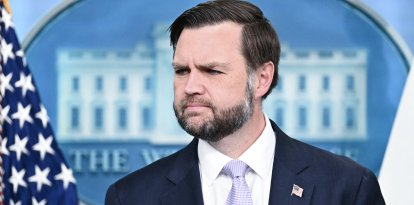
The contrast with his predecessor, for example, is stark. In fact, Biden is the president who has interacted the least with the press in at least the last forty years. By July 2024, Trump had held 468 press conferences; Biden, by contrast, had held 164.
In his third year in office, Biden had given just 22 interviews with the press. Trump, in the first year of his first term, gave 92 interviews.
That, if anything, is indeed an affront to freedom of the press. Biden severely limited the public's access to his ideas and deprived them of the ability to challenge him. It was, in the end, a massive obstacle to the flow of information. A slap in the face to Americans (and the media).
It's understandable that so many people hate Trump. He's a rough guy. But if anything has strengthened his presidency, it's the press's access to information and the government. Don't let a couple of jokes make us forget that.
LATEST