Victory for Trump: Senate moves closer to confirming his nominee, Jay Clayton, as Director of National Intelligence
The final vote tally was 51 in favor and 43 against.
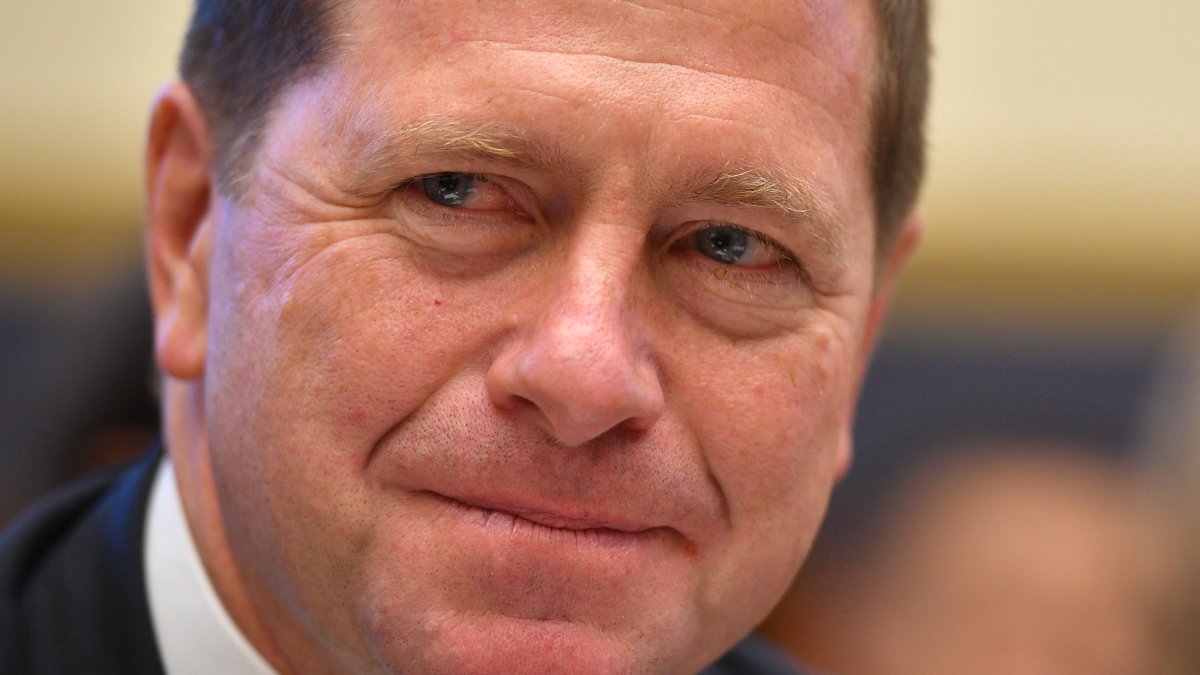
Image of Jay Clayton (Photo by MANDEL NGAN / AFP)
President Donald Trump's nominee to lead the U.S. intelligence community, Jay Clayton, took another step toward confirmation on Monday after the Senate approved, with a final vote of 51 in favor and 43 against, the advancement of his nomination, paving the way for a final vote and bringing Congress closer to restoring an important counterterrorism surveillance tool. His nomination comes after former Director of National Intelligence Tulsi Gabbard stepped down to care for her husband, who is battling cancer.
Clayton, who served as chairman of the Securities and Exchange Commission (SEC) during Trump's first term, is thus moving forward with his nomination as the next Director of National Intelligence (DNI) in a procedural vote that followed his narrow 9-8 approval by the Senate Intelligence Committee, where he advanced with the support of Republican lawmakers.

Society
Trump takes mail-in voting to Supreme Court: Seeks to reinstate executive order following judicial block
Emmanuel Alejandro Rondón
The Senate is expected to hold the final confirmation vote on Tuesday, which could bring an end to the protracted process of replacing Gabbard. Following her resignation, Trump appointed the director of the Federal Housing Finance Agency (FHFA), Bill Pulte, as acting Director of National Intelligence to oversee the nation's 18 intelligence agencies.
Ahead of the vote, Senate Republican Majority Leader John Thune urged Democrats to support Clayton's nomination, while also he acknowledging that they would likely oppose it, as they have done with many of Trump's other nominees. "One might think we'd see some bipartisanship from the Democrats on this nominee. But the Democrats are playing the same partisan games with this qualified nominee that they have played with so many of President Trump's nominees," said Thune, who also criticized Democrats for opposing the administration's interim leadership at the Office of the Director of National Intelligence.
LATEST