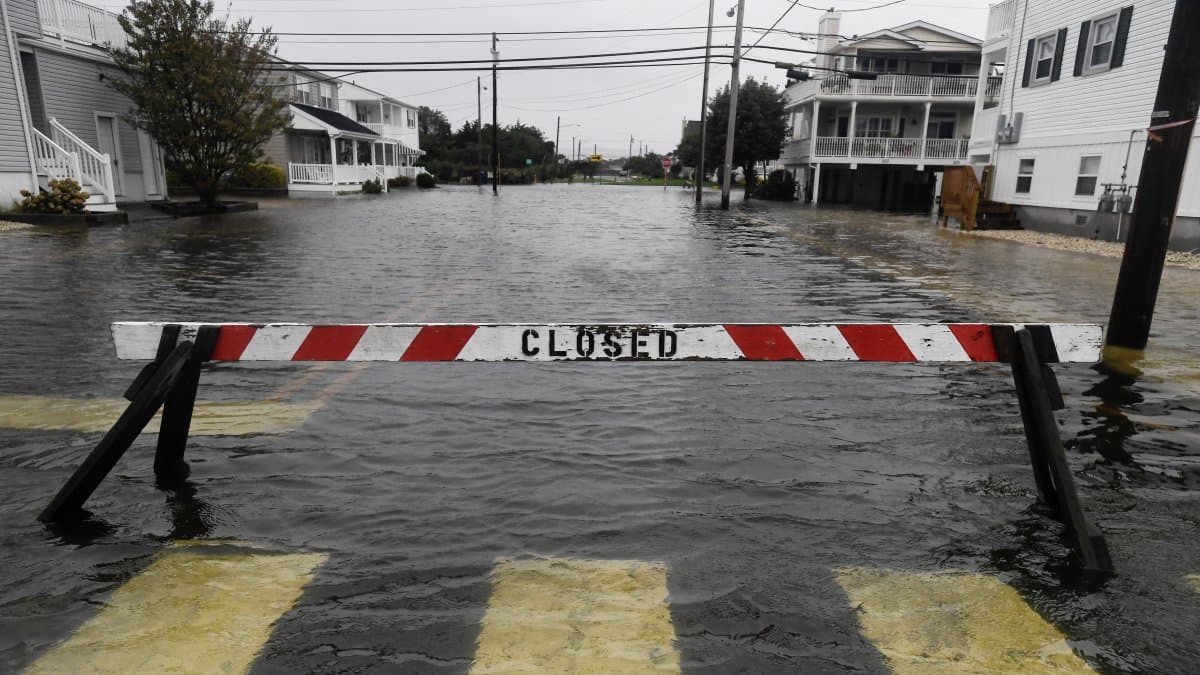







U.S. Contradicts Iran: CENTCOM Says the Strait of Hormuz Remains Open and No U.S. Warship Was Hit
The U.S. Central Command stated on its ‘X’ account that commercial shipping has not been disrupted despite Iranian warnings.
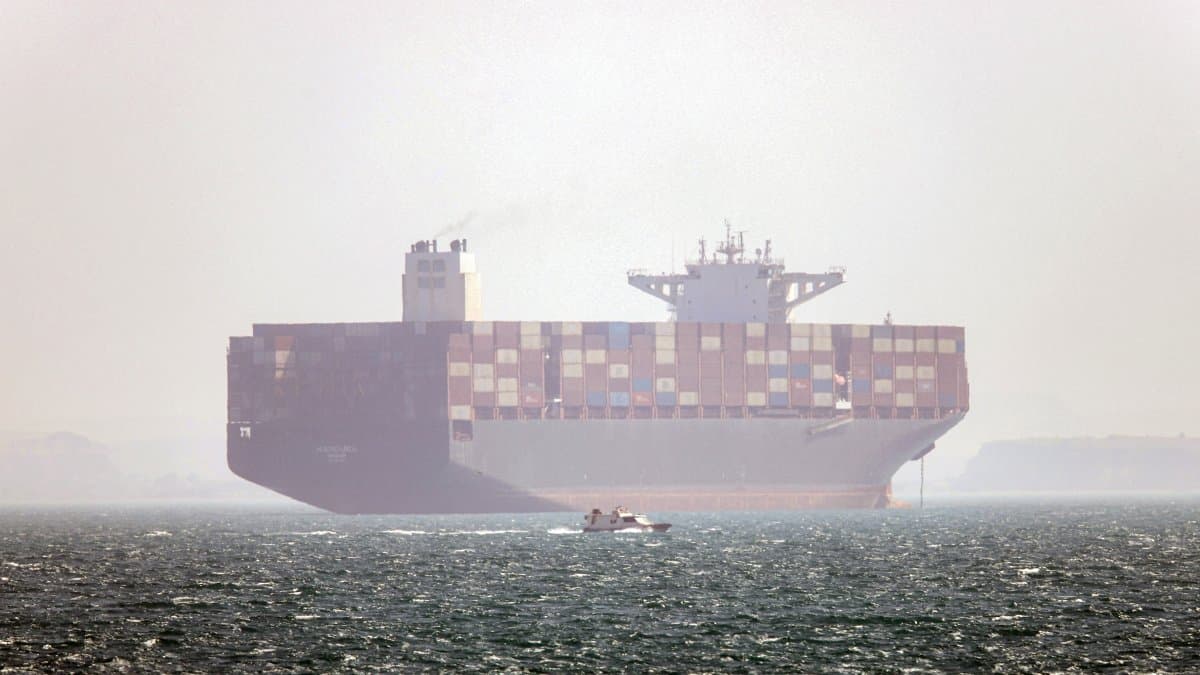

The U.S. government on Wednesday denied two claims made by the Iranian regime amid Wednesday’s military escalation. Federal authorities first denied that Tehran had closed the Strait of Hormuz and, subsequently, that Iranian forces had attacked a U.S. warship in that strategic waterway. U.S. officials called both claims false and assured that traffic through the strait continues as normal.
The U.S. Central Command (CENTCOM) stated on its ‘X’ account that commercial shipping has not been disrupted despite Iranian warnings.
"Commercial ships are continuing to transit in and out of the Strait of Hormuz tonight," the command stated, which is responsible for overseeing U.S. military operations in the Middle East.
The message responded to reports that Iran's Revolutionary Guard reportedly announced plans to close the strait following the most recent round of U.S. airstrikes on Iranian territory. According to Reuters, Iran’s Joint Chiefs of Staff warned that neither oil tankers nor commercial vessels would be authorized to cross the strait, and threatened to attack any vessel attempting to do so.
The Strait of Hormuz carries a decisive portion of the world’s crude oil trade, so any disruption to traffic immediately impacts energy and financial markets. An effective closure of the Strait has for years been among the main threats Tehran uses to pressure Washington and its allies.
World
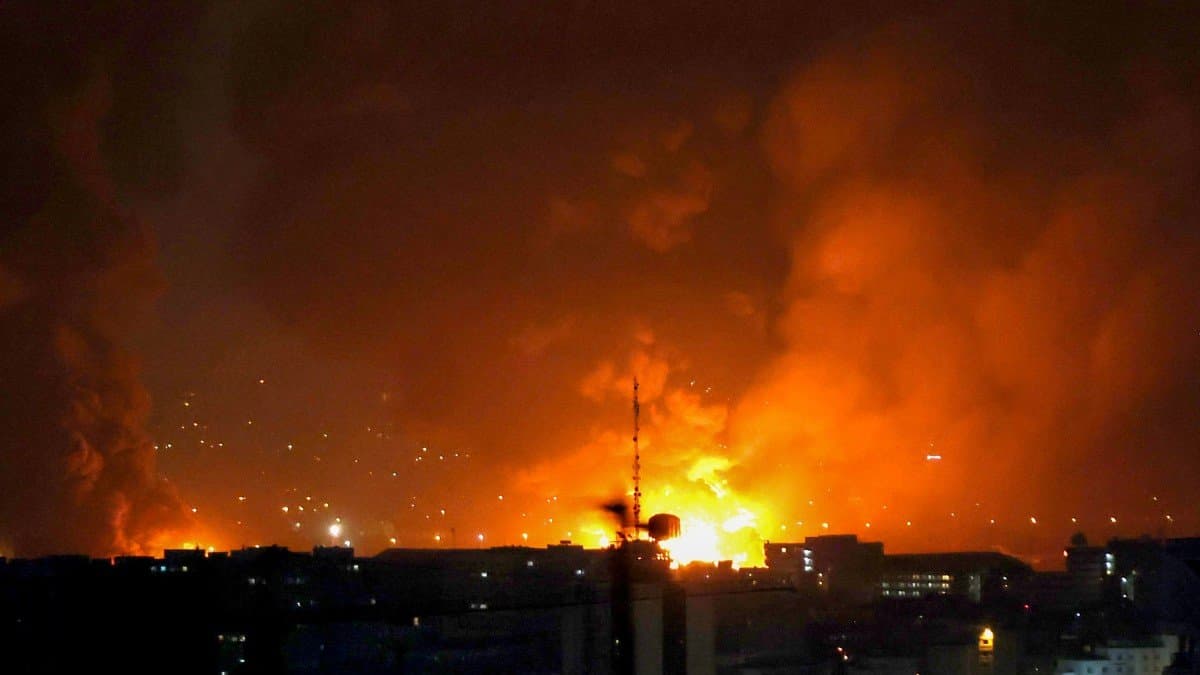
The United States launches a new round of airstrikes against Iran for the second consecutive day
Emmanuel Alejandro Rondón
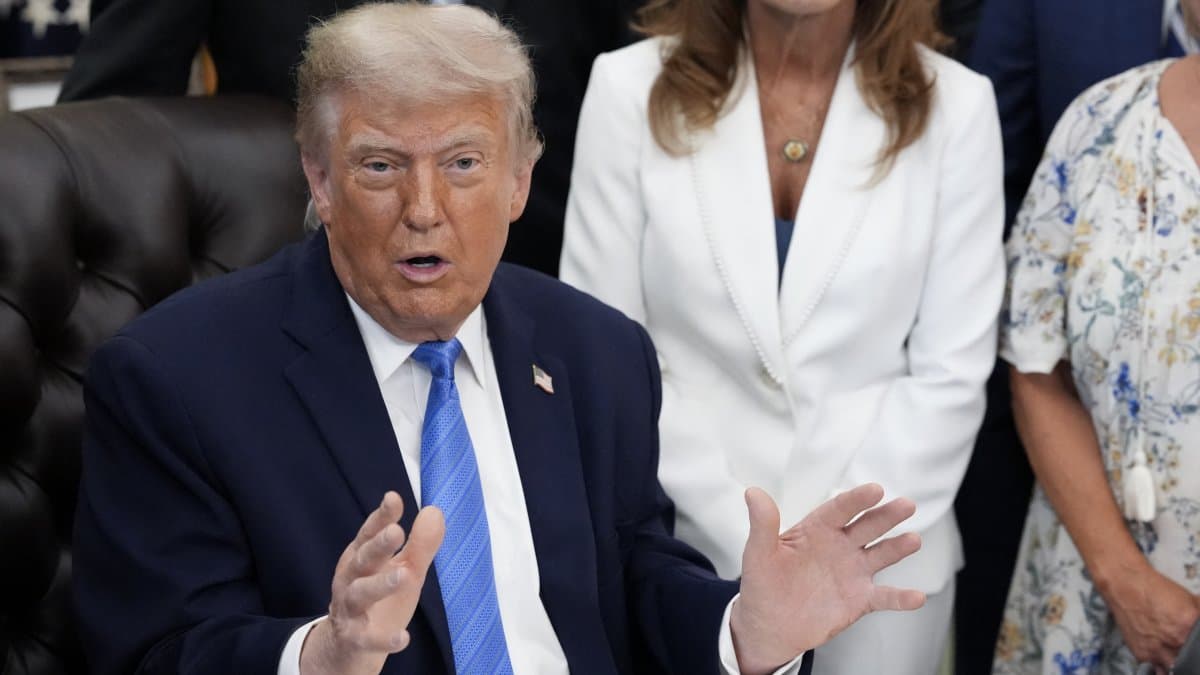
In addition to claiming that they precisely struck a U.S. vessel, Tehran also previously asserted that Iranian and U.S. naval forces engaged in a confrontation at sea, an episode that officials from the United States in turn denied. Iranian authorities did not present evidence to support either claim.
The denials come after a new wave of U.S. strikes against targets in Iran, which, according to CENTCOM, included air defenses, communications systems, and military surveillance capabilities. The command described these actions as "self-defense" operations in response to what it called "sustained Iranian aggression, at a time of heightened tension between the two countries.
🛠 Do you think there is an error in this article?
Recommendations






LATEST