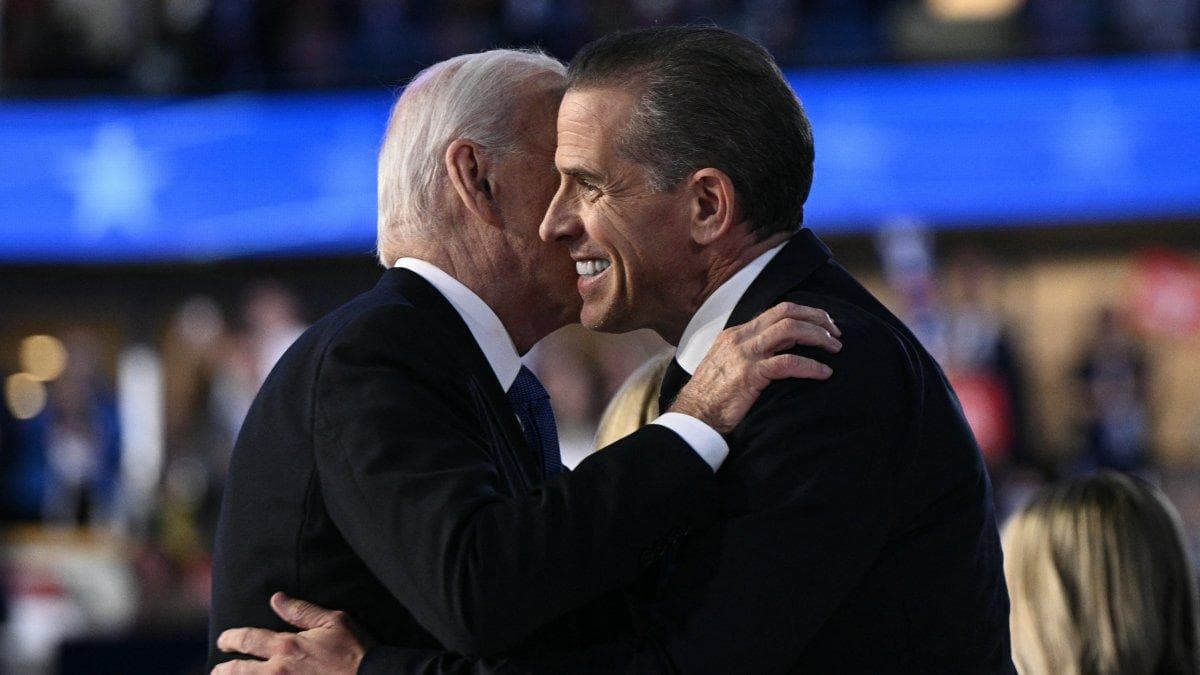







With Graham Platner off the ballot, Democrats turn to Troy Jackson in bid to unseat Susan Collins in Maine
Graham Platner recently withdrew from the race earlier this month following a sensitive sexual assault allegation.
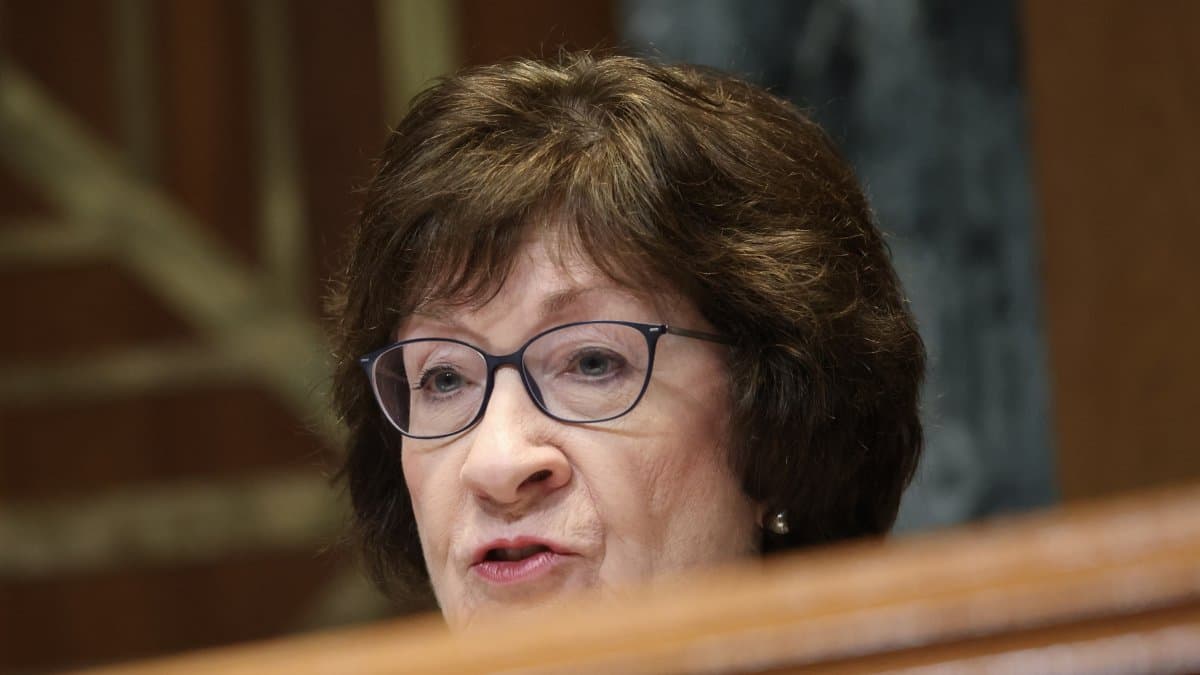

The former president of the Maine Senate, Troy Jackson, became the Democratic Senate nominee on Saturday, following a party convention in Bangor that nominated him with 566 of the 571 votes cast by delegates. Jackson thus replaces Navy veteran and oyster farmer Graham Platner, winner of the June primary, who dropped out of the race earlier this month following a serious allegation of sexual assault, which he denied.
With the nomination secured, Jackson begins a 101-day race leading up to November in one of the states Democrats consider key to regaining control of the Senate. Her opponent will be Republican Senator Susan Collins, who is seeking a sixth term and is the only lawmaker from the Republican Party to represent a state that President Donald Trump lost in 2024.
In her speech at the convention, Jackson focused her criticism on Collins's record on issues such as healthcare, taxes, and security. "For nearly 30 years, Collins has told Maine that she is concerned," he said, and listed votes by the senator that, according to him, contradict that stance, including her support for Trump's cuts to Medicaid and her backing of funding for ICE.
"Maine does not need another six years of concern," he said. "We need someone with courage. We need a fighter, and we need a senator who remembers exactly who sent them to Washington."


Collins' campaign responded by describing the nomination process as closed and controlled by the party leadership, and called Jackson a "low-energy" candidate with a track record of driving up costs for families in the state.
Jackson, a native of Allagash, a town in the far north of Maine, and former president of the state Senate, is seen by his supporters as the candidate best able to narrow Collins' lead in rural areas, something that Democratic analysts consulted by NBC News consider key to defeating her, given that the senator is a seasoned politician who typically performs strongly among independents, moderates, and women, according to the 2020 election results.
Jackson's biggest immediate challenge is financial: her campaign raised more than $600,000 in 72 hours and surpassed $1 million since its launch on July 8, while Collins had $11 million available as of June 30. Republican groups, including the Senate Leadership Fund super PAC, have already announced spending of more than $42 million on the race and released their first ad against Jackson on Saturday, targeting her temperament and instances of tension with legislative colleagues.
Jackson rejected those accusations after the convention: "I don't have a problem with anyone in the Legislature and the U.S. Senate," he said, though he acknowledged "I might have went too far or got too passionate" in some discussions.
Despite having been a close ally of Platner, Jackson called for his resignation as soon as the allegations against him became known. Republican analysts consulted by NBC anticipate that, without Platner's media presence, the race will be defined more by the legislative records of both candidates than by the polarization generated by their predecessor. However, many agree that the closed nomination process—following a failed first bid due to a sexual assault scandal—may discourage the Democratic base.
🛠 Do you think there is an error in this article?
Recommendations









LATEST