The United States launches a new round of airstrikes against Iran for the second consecutive day
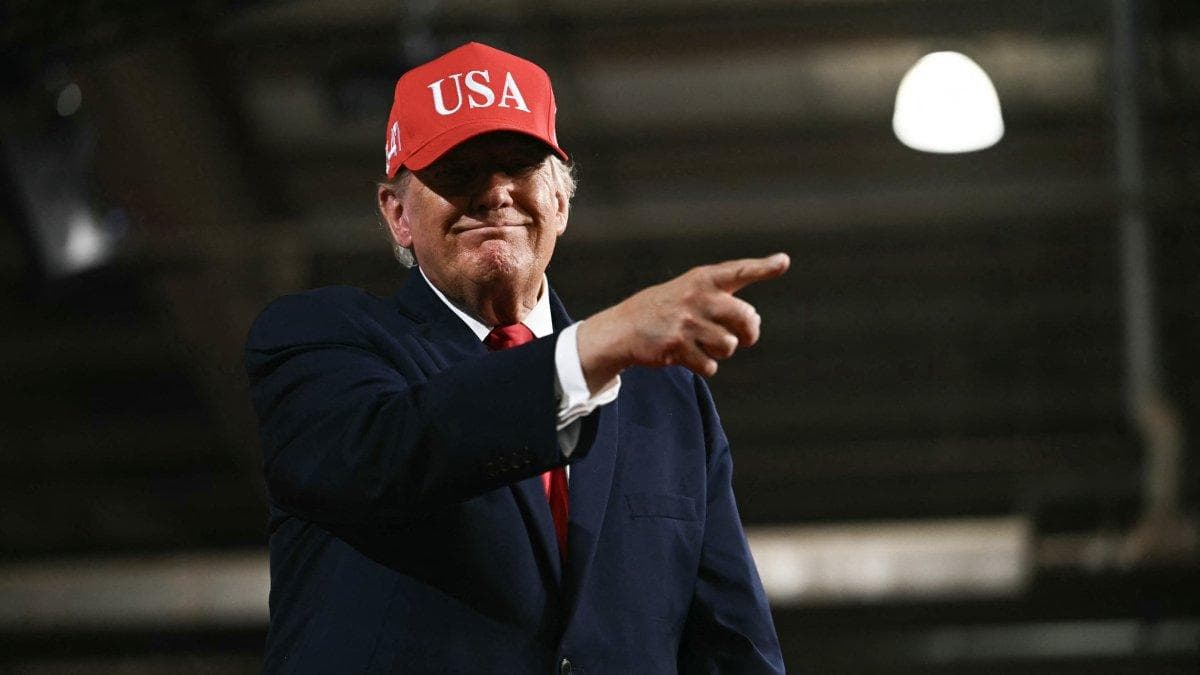
Hours before the new offensive, Trump toughened his rhetoric against the Iranian regime. "We hit them hard yesterday, and we're going to hit them hard again today," the president said from the Oval Office.
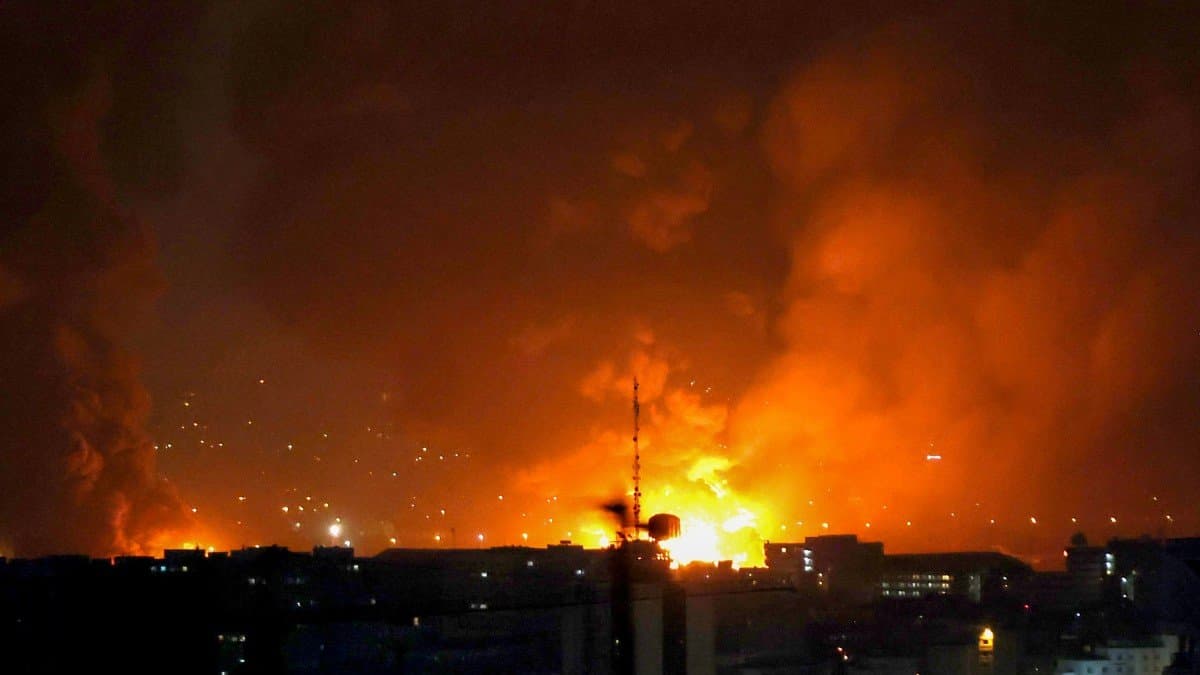

For the second consecutive day, the United States launched a new round of attacks on targets in Iran on Wednesday amid the growing military conflict between the two countries in the Persian Gulf region. The offensive was carried out on the direct orders of President Donald Trump, who had earlier anticipated the attacks, and deepened an escalation that began with the downing of a U.S. helicopter earlier this week.
The U.S. Central Command (CENTCOM) confirmed the operation via its account on the social media platform ‘X’: “U.S. Central Command forces began launching additional self-defense strikes today at 5:15 p.m. ET against multiple targets in Iran at the Commander in Chief's direction. The strikes are in response to Iran's unwarranted and continued aggression.”
According to The New York Times, Iranian state television reported that three explosions were heard in Sirik, on Kish Island, and in Minab, locations along the country’s southern coast where military and naval posts are concentrated. An office of the state broadcaster IRIB also reported that air defenses were activated in Asaluyeh, a major energy hub near the South Pars gas facilities. Meanwhile, the Tasnim news agency, linked to Iran's Islamic Revolutionary Guard Corps stated that U.S. forces attacked a petrochemical plant in that area. If this information is confirmed, it would mark a significant escalation in the conflict, as critical energy infrastructure has been targeted.
Wednesday’s attacks followed a day of tit-for-tat strikes on Tuesday. The United States had bombed Iranian targets in retaliation for the downing of a U.S. Army AH-64 Apache attack helicopter, which occurred Monday night near the coast of Oman while patrolling the Strait of Hormuz. The two crew members were rescued unharmed by an unmanned surface drone, according to Central Command. In response to those strikes, Iran’s Islamic Revolutionary Guard Corps claimed to have attacked 21 targets at U.S. bases in the region, including facilities in Bahrain and Jordan, while the army of Kuwait said it had intercepted an attack.
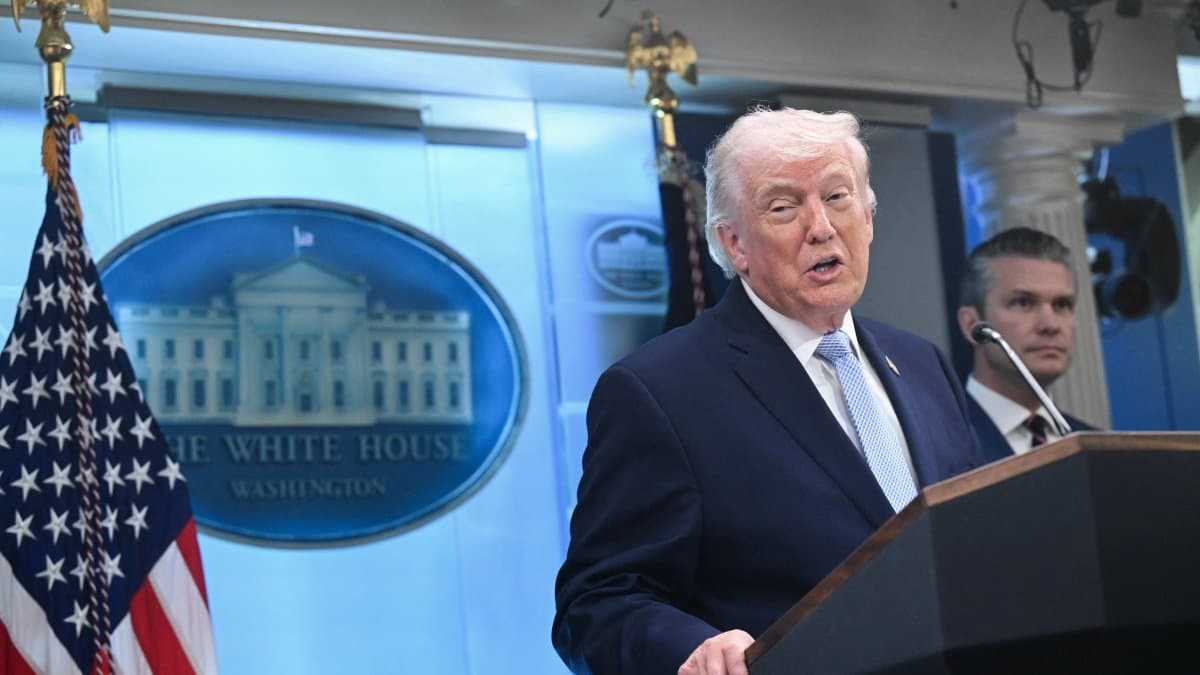
Hours before the new offensive, Trump toughened his rhetoric against the Iranian regime. "We hit them hard yesterday, and we're going to hit them hard again today," the president said from the Oval Office, in contrast to his statements on Tuesday, when he assured that both countries were "in the final stages" of an agreement. Defense Secretary Pete Hegseth previewed the operation to reporters at MacDill Air Force Base, in Florida: "Centcom, Central Command, will be busy tonight, because President Trump said we will be hitting Iran hard, and we will be. "He added, "If we need to negotiate with bombs, we will negotiate with bombs, and we're very good at it."
From Tehran, Foreign Minister Abbas Araghchi warned that his country "would not leave any attack or threat unanswered." Addressing the United Nations Security Council, Iranian representative Amir Saeid Iravani called on Trump to cease his threats: "Iran has never negotiated under threats and pressure and will never submit to pressure or coercion."
The prospects for an agreement or a diplomatic solution dimmed on Wednesday night when a mediation delegation from Qatar left Tehran without making any progress in the talks.
🛠 Do you think there is an error in this article?
Recommendations


LATEST