JD Vance says US and Iran are 'very close' to signing a memorandum of understanding to extend the ceasefire
The agreement would reopen the Strait of Hormuz, the key point of the stalled negotiations, and initiate talks to limit Iran's nuclear program.
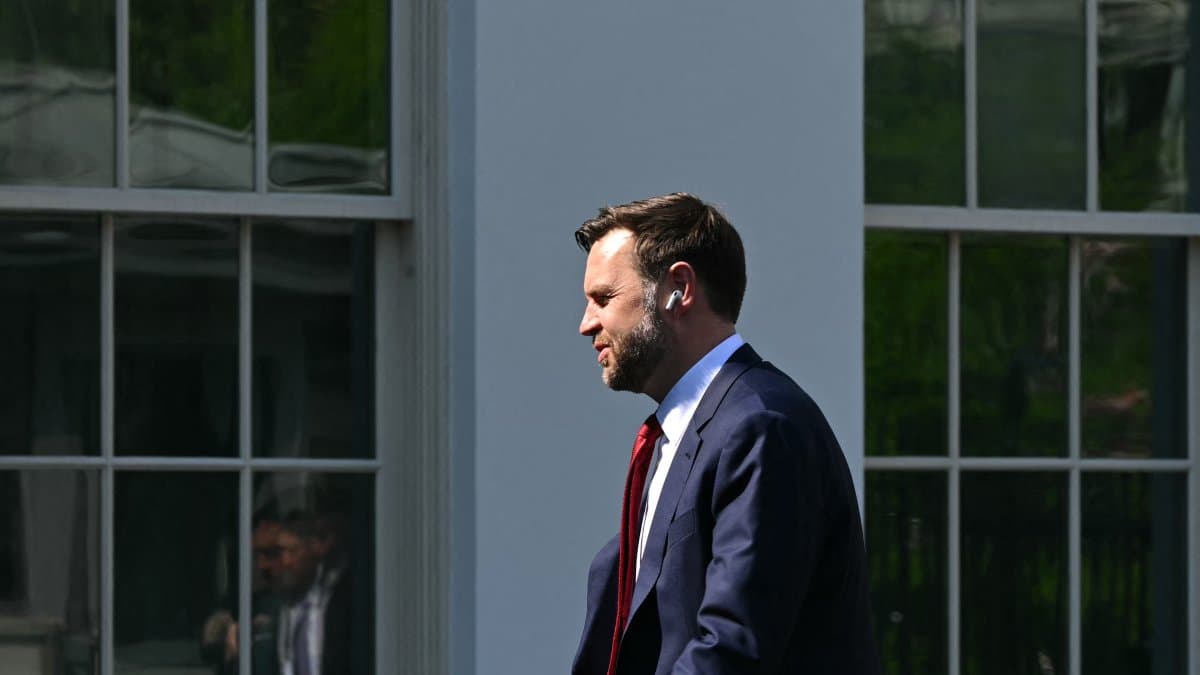

Vice President J.D. Vance declared Thursday that Washington and Tehran are "very close" to signing a 60-day memorandum of understanding (MOU) that would extend the so far shaky cease-fire in place.
The MOU would reopen the Strait of Hormuz, the key point of the stalled negotiations, and initiate talks to limit Iran's nuclear program.
As reported by Axios and Fox News, negotiators from both countries have already reached an understanding on the terms of the MOU, but President Donald Trump has not yet given his go-ahead. U.S. officials said their Iranian counterparts, through intermediaries, had informed them that they had the necessary domestic endorsements and were ready to sign. "The president relayed to the mediators that he wants a couple of days to think about it," a U.S. official told Axios. Trump reportedly spoke on Thursday with Qatar's emir, Sheikh Tamim al-Thani, a key mediator in the process, to discuss the issue. According to the same source, the president wants to ensure Iran does not back out at the last minute and to observe how the domestic political debate evolves before deciding. That could take a few days.
Vance, who led the negotiating team at the April talks in Islamabad, Pakistan, was cautious about timelines. "We're going back and forth on a couple of language points. We've made a lot of progress here," he said. "I can't guarantee that we're going to get there ... but right now I feel pretty good about."
World
Washington strikes military targets in Iran as truce hangs in the Strait of Hormuz
Andrés Ignacio Henríquez
World
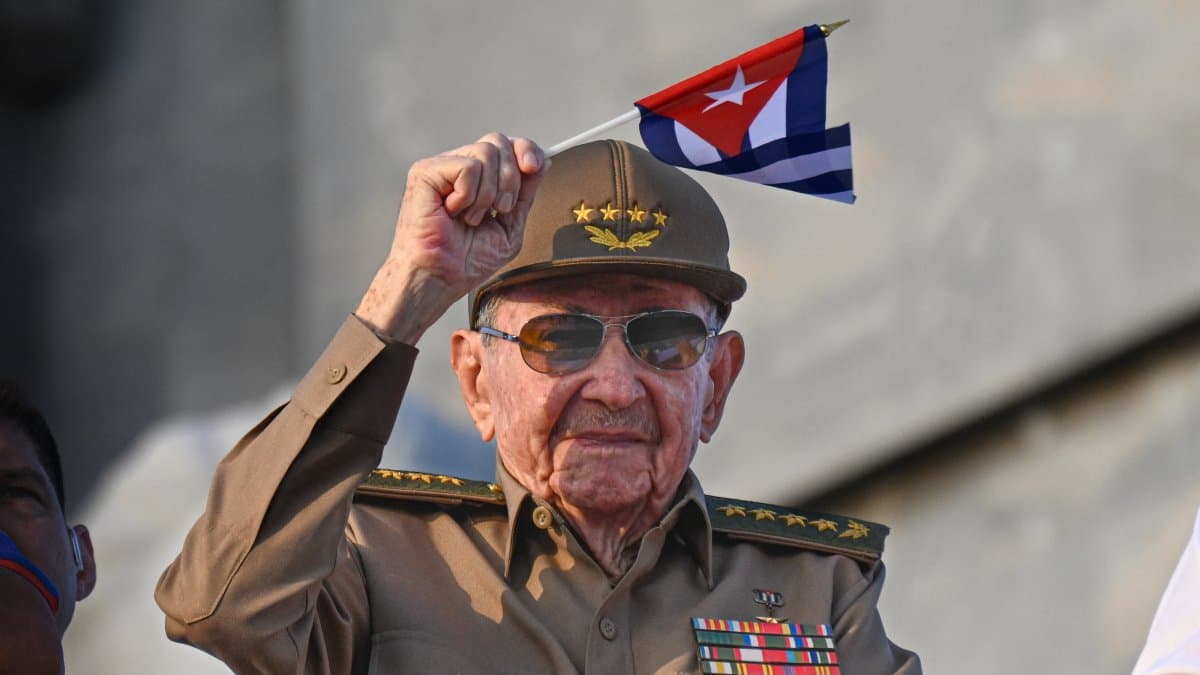
Just waiting on Trump's order: US has troops and weapons in position to attack Cuba
Emmanuel Alejandro Rondón
Is the nuclear knot still in place?
The main sticking point between the two sides, besides the situation in the Strait of Hormuz, remains the nuclear issue. Trump reiterated that Iran cannot possess an atomic weapon: "Iran cannot have a nuclear weapon. With Operation Epic Fury, our warriors are ensuring that the world's number one state sponsor of terror never obtains a nuclear weapon. And they won't." Tehran also outlined its limits through Ebrahim Azizi, head of the Iranian parliament's national security committee, who noted that its non-negotiable conditions include the right to enrich uranium, maintain stocks of enriched uranium, control the Strait of Hormuz and the removal of sanctions.
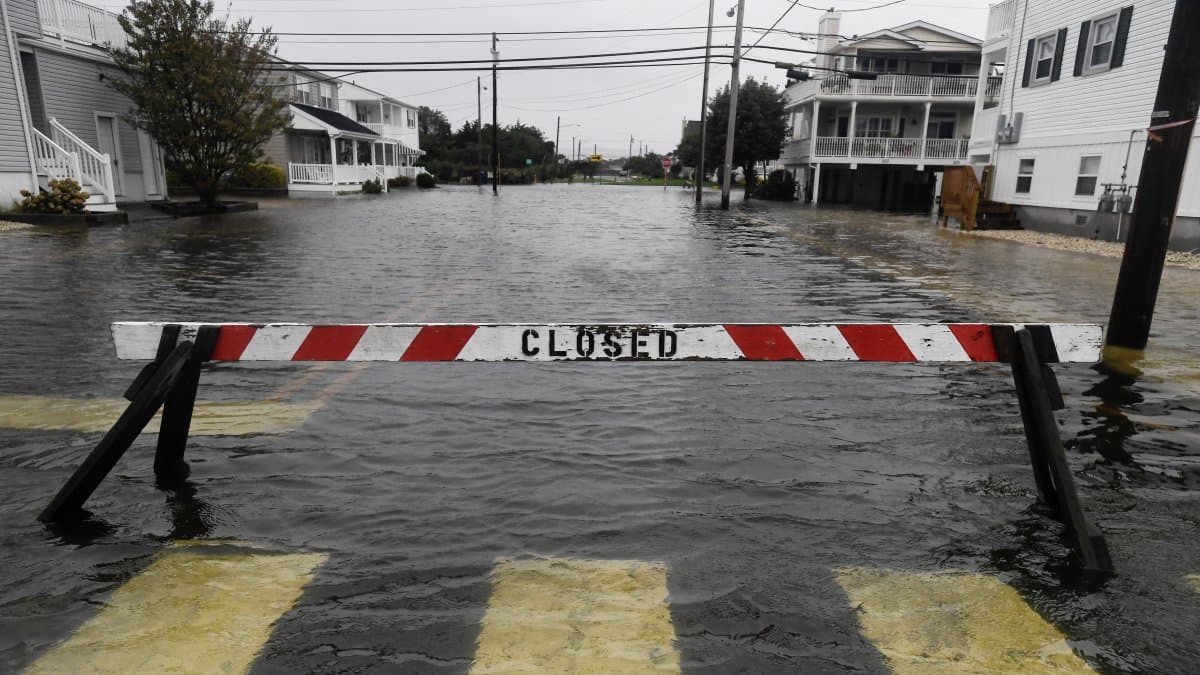
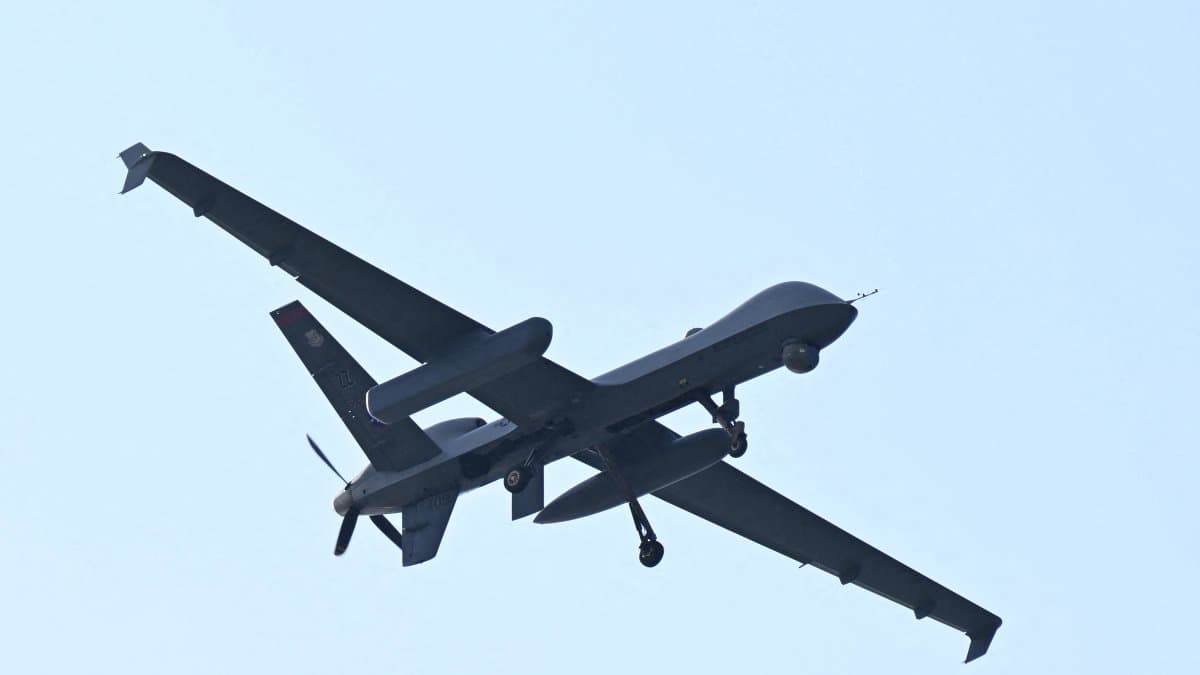
The deal is also being negotiated amid an escalation that threatened to derail the talks. On Monday, the U.S. attacked Revolutionary Guards vessels caught laying mines in the Strait of Hormuz. On Wednesday, U.S. forces shot down several Iranian drones in the same area, hours before Iran launched a ballistic missile against Kuwait - successfully intercepted - in what CENTCOM called a "flagrant violation of the cease-fire."
This is a developing story
🛠 Do you think there is an error in this article?
Recommendations

LATEST