






Rubio unveils new immigration offensive: Deportations to some 20 countries in Africa, Asia and Latin America
According to data cited by U.S. officials, between January and March, nearly 80,000 migrants agreed to leave the country voluntarily to avoid being transferred to countries other than their place of origin.
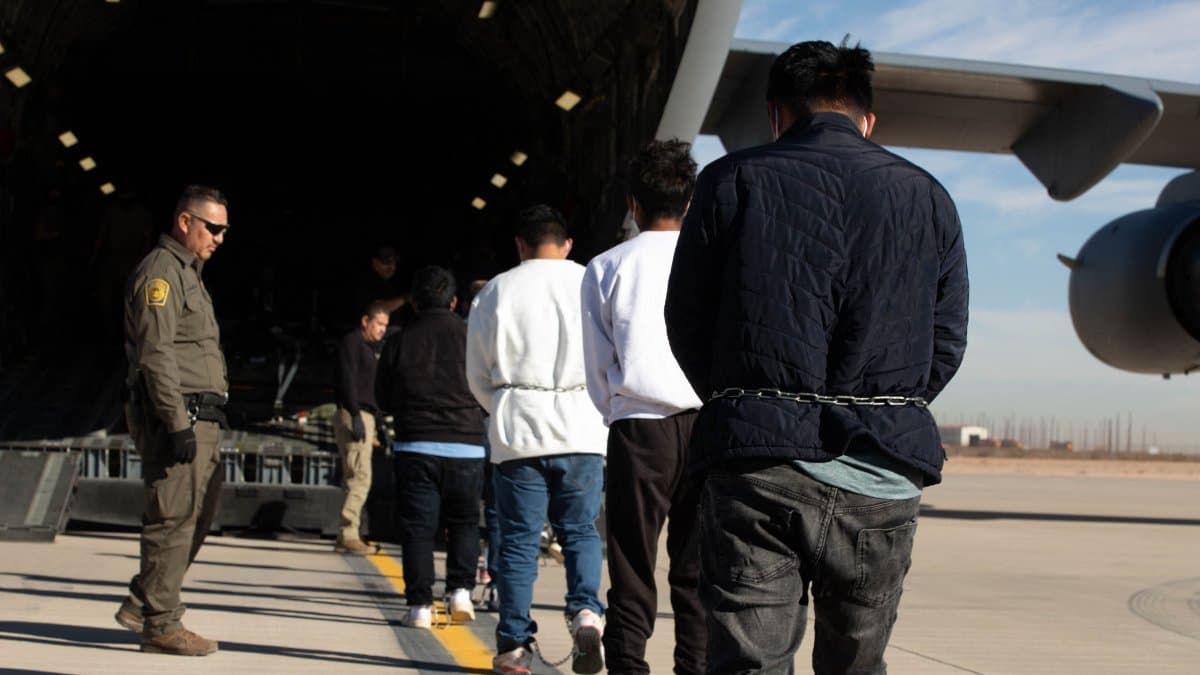

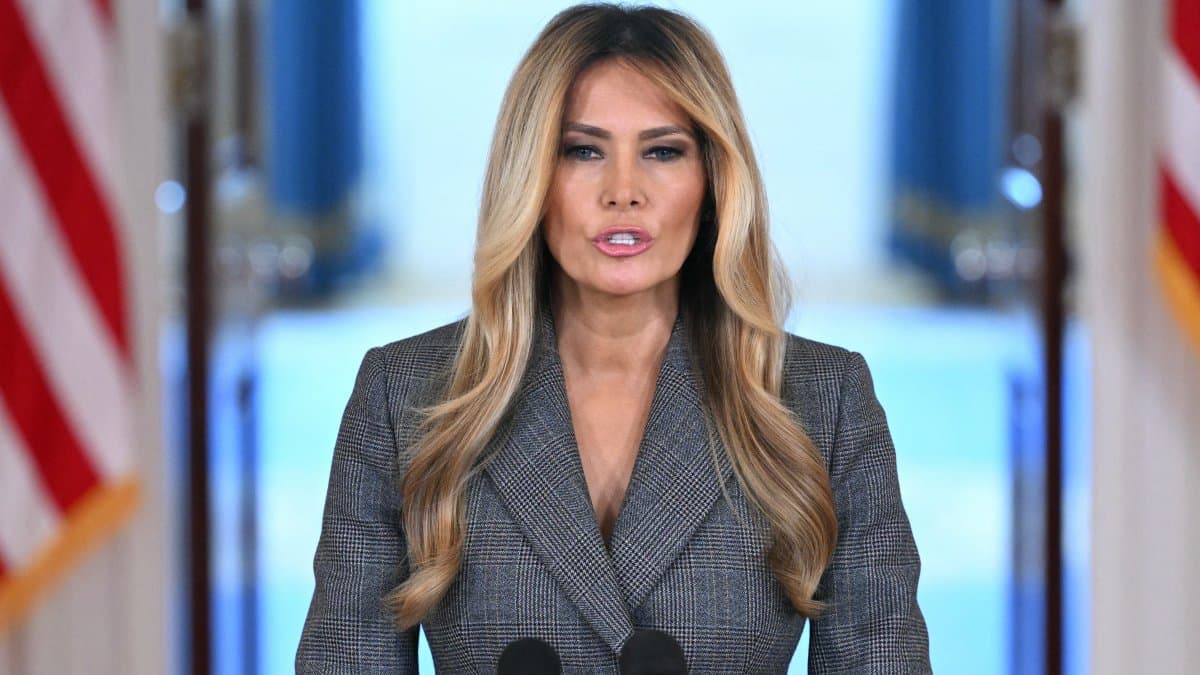
Secretary of State Marco Rubio assured that the administration has signed agreements with 20 countries to receive undocumented immigrants who cannot be deported directly to their nations of origin.
During a cabinet meeting held this week, Rubio explained that these agreements are part of the immigration strategy promoted by the U.S. government to accelerate deportations and reduce legal obstacles that, he said, make it difficult to expel people who remain illegally in the country.
"Safe third country" agreements
Rubio noted that the so-called "safe third country" agreements allow immigrants to be transferred to nations considered safe when their home country refuses to receive them or when there are judicial impediments to enforce deportation.
"We've got 20 countries around the world who have signed agreements to allow us to deport people to those places," the chief diplomat said.
According to Rubio, many immigrants who initially refuse to return to their countries end up accepting a "voluntary deportation" when informed of the possibility of being sent to third countries in Africa, Asia or Latin America.
SECRETARY RUBIO: One of the things we’ve achieved is we have 20 countries around the world who have signed agreements to allow us to deport people to those countries. pic.twitter.com/sU2nsFo45o
Increase in voluntary deportations
According to data cited by U.S. officials, between January and March nearly 80,000 migrants agreed to leave the country voluntarily to avoid being transferred to countries other than their place of origin.
U.S. authorities have in recent months sent migrants to countries such as Panama, Ghana, Rwanda, South Sudan, Uganda and even the Democratic Republic of Congo.
One of the most controversial cases occurred in April, when Immigration and Customs Enforcement (ICE) deported several Latin American immigrants to the Congo after court proceedings temporarily blocked their return to their countries.
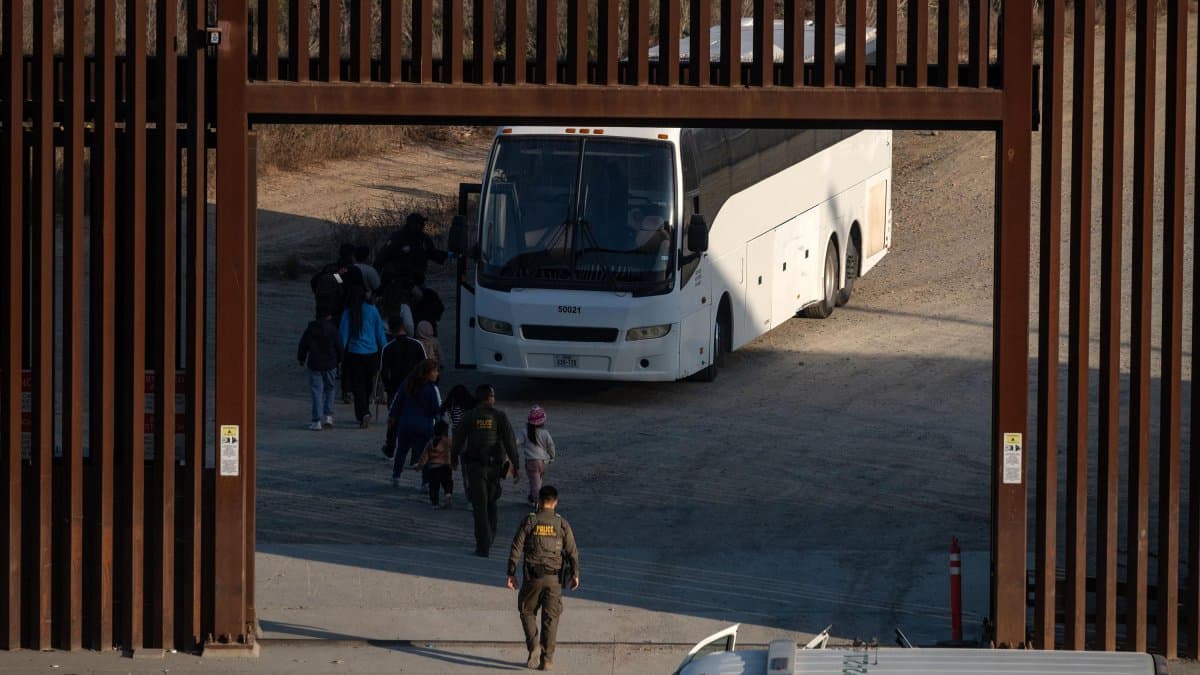
Society
DHS pushes $915 million plan to encourage self-deportation for illegal immigrants
Williams Perdomo
Obstacles to repatriations
Major cases cited include India, China, Laos and Vietnam.
Rubio defended the new agreements as allowing "enforcement of immigration laws" while multiple court cases related to deportations continue.
Debate over human rights and immigration policy
The strategy has raised concerns among human rights organizations and immigrant advocacy groups, which question the sending people to countries with which they have no family, cultural or legal ties.
Safe third country agreements require, at least formally, that receiving nations guarantee protection and minimum security conditions for deportees. However, various analysts have warned of possible humanitarian and legal risks arising from these practices.

Politics
USCIS tightens rules, foreigners must leave US to apply for green cards: Here’s the breakdown
Carlos Dominguez
Rubio has also recently toughened his stance against certain labor migration programs, especially those related to workers from India, including truck drivers and H-1B visa holders.
According to media reports, this policy would have provoked diplomatic tensions with the Indian government during recent official contacts.
🛠 Do you think there is an error in this article?
Recommendations




LATEST