Bluesky accounts hijacked in pro-Russia propaganda campaign
Many of the accounts belong to influential Americans -journalists, academics and filmmakers-.
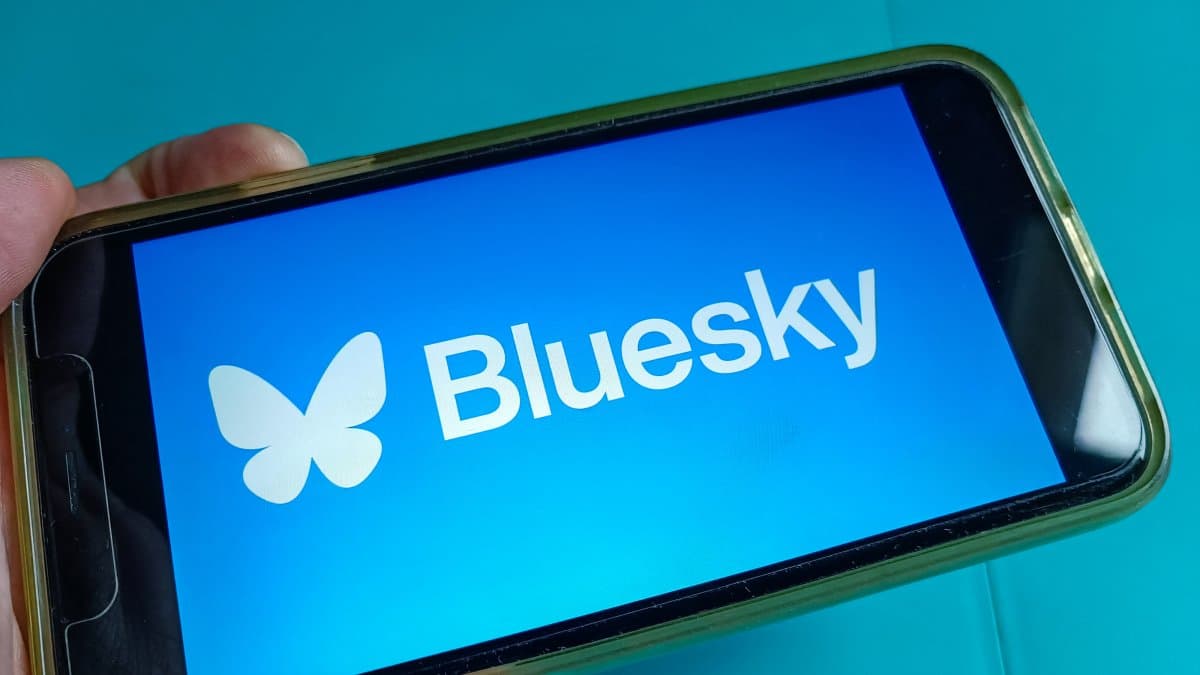

(AFP) A Russian influence campaign hijacked hundreds of Bluesky accounts -- many belonging to influential Americans -- to spread propaganda, researchers said, in a striking disinformation tactic that weaponized authentic identities rather than relying on fake accounts.
The campaign, which the researchers at Clemson University linked to the Moscow-based firm Social Design Agency (SDA), targeted journalists, academics, and filmmakers on the tech platform.
Many of the compromised accounts were used to post anti-Ukraine narratives, illustrating how pro-Kremlin propagandists are seeking novel ways to undermine support for the war-torn country that Russia invaded in 2022.
"Looks like someone got into my account and posted some story about France and Ukraine," Wall Street Journal reporter Alex Ward wrote on Bluesky.
The post in question has now been deleted and Ward said he had regained control of his account.
A database of compromised accounts -- created by an internet monitor tracking Russian influence operations and shared with AFP by a Clemson University researcher -- included at least one other Wall Street Journal reporter.
"Bluesky account got compromised and banned and then I got the account back somehow," Jake Tucker, editorial director at the PC Gaming Show, wrote on the platform.
Other compromised accounts included filmmaker Mary Beth McAndrews and academic Ben Gilbert.
"We have certainly seen bad actors use hacked accounts and stolen accounts in the past. Frequently, in fact. This seems more targeted," Clemson University's Darren Linvill told AFP.
"I've personally never seen Russia use hacked accounts at this scale before."
It was unclear how many accounts had been hacked, with Bluesky removing many of the propaganda posts or suspending affected accounts until their owners stepped forward to regain control.
Linvill said he had personally tracked at least "a couple of hundred accounts the Russians hacked," but the real number was likely far higher.
🛠 Do you think there is an error in this article?
Recommendations
LATEST