






Just waiting on Trump's order: US has troops and weapons in position to attack Cuba
The Pentagon has spent months putting together its deployment in the Caribbean just as it did with Venezuela. However, it still lacks the green light from President Donald Trump.
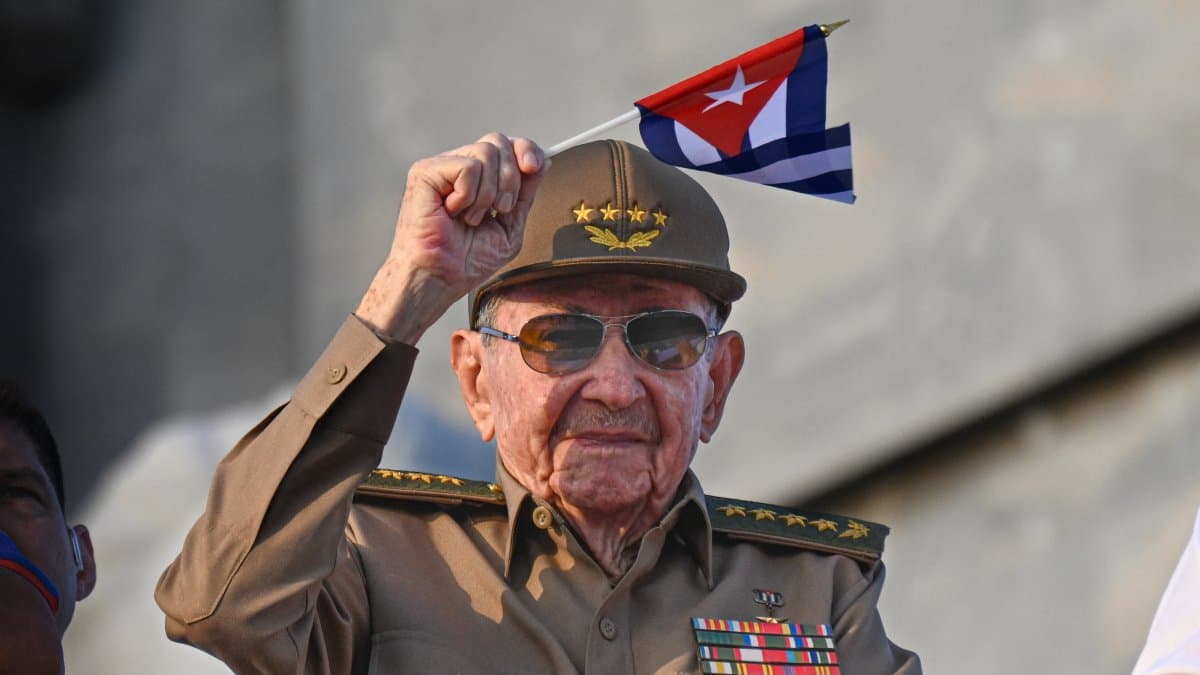

The Pentagon already has all the necessary pieces in place to launch a military attack against the Cuban regime, as happened before last January 3, when the U.S. Army captured former dictator Nicolás Maduro and his wife, Cilia Flores, in Caracas, Venezuela. However, final authorization from President Donald Trump has not yet arrived, according to a report published Wednesday by Politico.
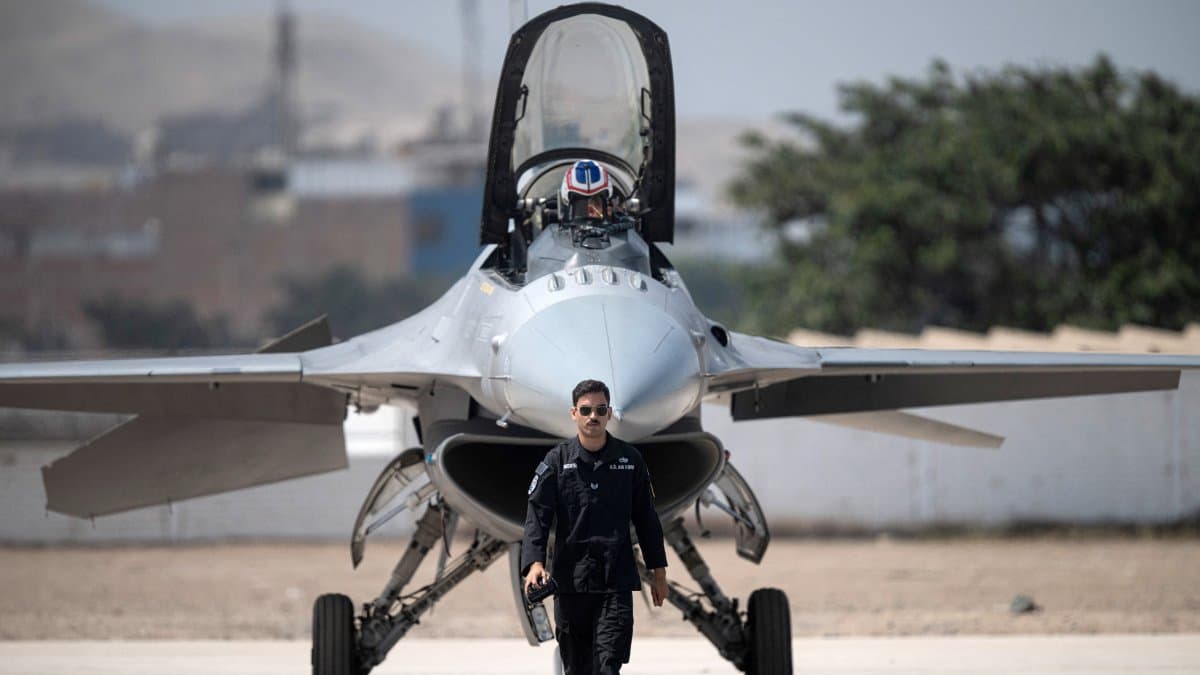
According to the report, the U.S. naval presence in the Caribbean has remained unabated despite the war with Iran, and currently constitutes "the largest in the world outside the Middle East." This concentration of military power would allow Washington to act immediately on the island if President Trump gives the order.
Politico details that the Republican leader has shuffled around the possibility of invading the island after economic and political pressure failed to topple the communist regime. The military assets deployed open a range of possibilities ranging from a series of precision strikes to the capture of Havana's leadership, which is what ended up happening in Venezuela after months of pressure, siege and failed diplomatic negotiations.
During a cabinet meeting held this Wednesday, Secretary of State Marco Rubio affirmed that Cuba is "in a lot of trouble" and warned, "Having a failed state 90 miles from our shores is a threat to the national security of the United States." Rubio, who is Cuban-American and the son of Cuban exile parents, has been a harsh critic of the Castro regime throughout his political life.

A powerful military deployment
According to Politico, the USS Nimitz carrier strike group entered the Caribbean in May, accompanied by destroyers and guided missile cruisers capable of firing precision missiles at targets on land. This is in addition to a fleet of advanced drones and surveillance aircraft that have been flying over Cuba for months, according to flight-tracking sites.
The amphibious ships USS Kearsarge and their escorts, carrying 2,500 Marines, are off the coast of Virginia preparing for a new deployment and could replace some ships that are about to return.
The arrival of the Nimitz in the region coincided with the formal indictment of former dictator Raul Castro by the United States, in what Politico describes as a public show of force.
Mark Cancian, a former Pentagon official and current senior analyst at the Center for Strategic and International Studies, analyzed the deployment situation: "The Nimitz is likely there primarily for intimidation, though it could be used in a military operation if needed."
The analyst added that the aircraft carrier, along with fighter jets based in Florida and Puerto Rico, would probably play a role in any military action against the island: "Air strikes are possible to take out their air defenses to allow broader air operations or, perhaps, destroy their leadership with the idea of establishing a relationship as we have with Venezuela. Raul Castro would be their first target."
If Trump finally gives the go-ahead to attack Cuba, it would be the third military conflict initiated by the Trump Administration after Iran and Venezuela. Trump has also ordered bombings against Iran, Yemen, Syria, Iraq, Somalia and Nigeria.
However,analysts also believe there is a small window of time to attack Cuba. Many of the larger warships deployed during the summer are approaching 10 months at sea, well above the usual six- to seven-month rotation. According to Politico, this worries defense officials because of the attrition of crews and the added pressure on a naval force also running a blockade of Iranian ships in the Arabian Gulf.
One defense official, quoted anonymously by the media outlet, gave a warning, "These back-to-back long deployments will add up over time. Keeping them out there so long creates more problems in the long run when it comes to refitting and repairing those ships once they come home."
These extended missions follow the record 11-month deployment of the aircraft carrier USS Gerald R. Ford, which ended this month after sailing from Europe to the Caribbean for the operation against Maduro, and from there to the Middle East for the war with Iran.
Nimitz himself is also spread out on what was to be the final deployment of his 50-year career. It was initially due to head to Norfolk, Virginia, for the retirement of its nuclear-powered engines, but the Navy decided to extend its service life until 2027.
There is also a human cost according to Joe Plenzler, a retired Marine Corps officer: "You don’t sign up for an easy time, you know any deployment is going to be uncertain. But extending deployments like this, when it feels really open-ended, that starts to bleed into retention. How much more likely am I able to convince my family to do another enlistment and stick with it?".
🛠 Do you think there is an error in this article?
Recommendations






LATEST