Democrats demand halt to White House ballroom construction, calling it ‘illegal’
A group of Democratic lawmakers filed an amicus brief against Donald Trump's White House remodeling project.
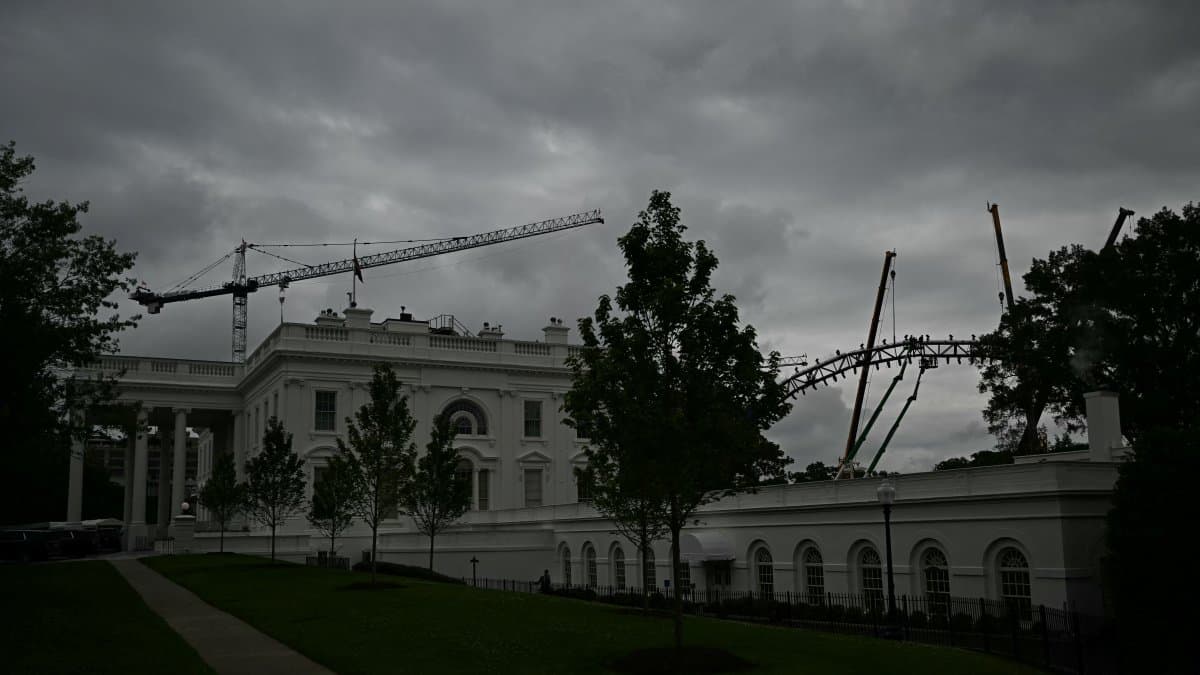

A group of Democratic Party lawmakers demanded that the work being done on the East Wing of the White House, where a ballroom will be established, should not continue without the approval of Congress, challenging the demolition carried out by the Trump administration.
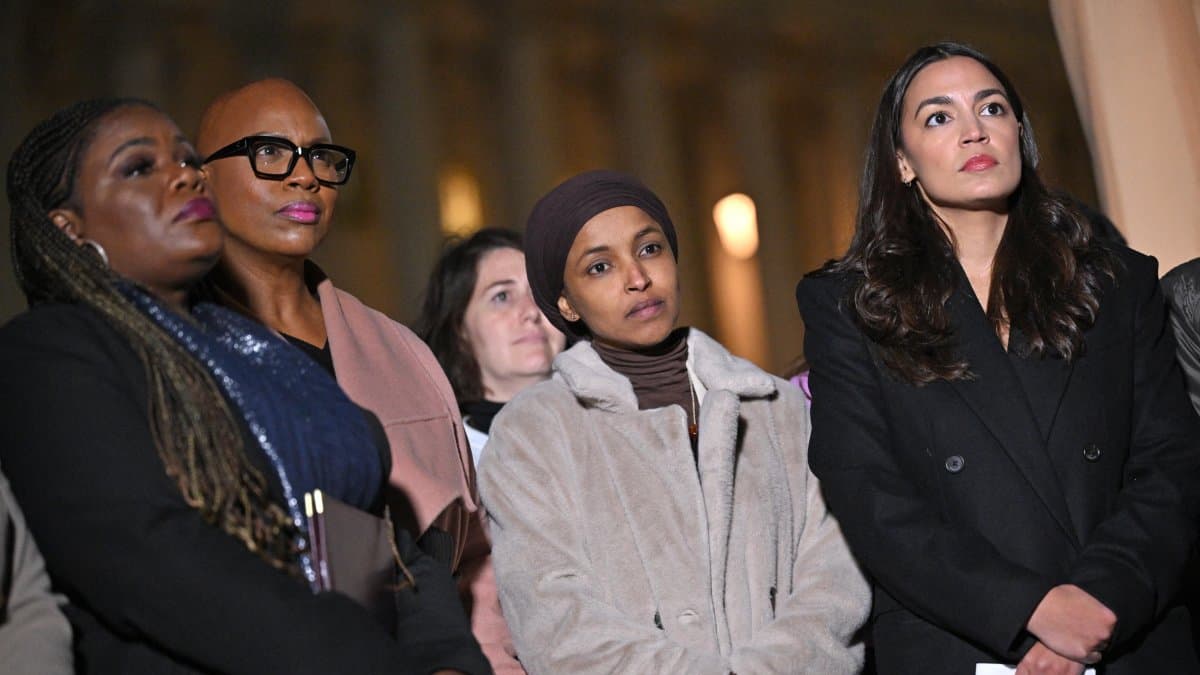
Specifically, more than 140 Democrats, championed by Representatives Robert Garcia and Jared Huffman (both from California) and Senator Sheldon Whitehouse (Rhode Island), filed an amicus brief on the ballroom's construction. In it, they call this work "illegal" while urging a federal court to "stop" it.
The project is "illegal"
"While working families are told there’s no money for affordable housing, healthcare, or lowering everyday costs, President Trump is building a billion-dollar ballroom. Everyone should be disgusted by his illegal and unconstitutional vanity project. We are fighting this in court," Garcia, spokeswoman for the House Oversight and Government Reform Committee, said in a statement.

Politics
A ballroom and a military fortress: All the details about Trump's White House project
Andrés Ignacio Henríquez
Huffman, a spokesman for the House Natural Resources Committee, ironized about the need for a White House ballroom while taking aim at the president Donald Trump for "reaching into the pockets of working families for crystal chandeliers and gold trim while Americans are told to tighten their belts."
For his part, Whitehouse, spokesman for the Senate Environment and Public Works Committee, merely called the project "illegal."
The construction of the ballroom was announced in August 2025. White House Press Secretary Karoline Leavitt reported that it would cost around $200 million, to be provided by Trump and a group of interested donors. In October of that same year, the remodeling began.
Weeks later, the Trump administration published the name of the benefactors, among which were companies such as Amazon, Apple and Google, as well as individuals such as Stefan E. Brodie, Harold Hamm, Stephen A. Schwarzman and brothers Cameron and Tyler Winklevoss. In turn, the chairman indicated that the project would go on to cost $300 million. Since work began, the project faced criticism and legal proceedings.
🛠 Do you think there is an error in this article?
Recommendations






LATEST