






End of the truce in the Middle East? US Army bombs positions in Iran after detecting imminent threats
Armed retaliatory actions included the destruction of "Iranian missile launch sites and vessels attempting to lay mines."
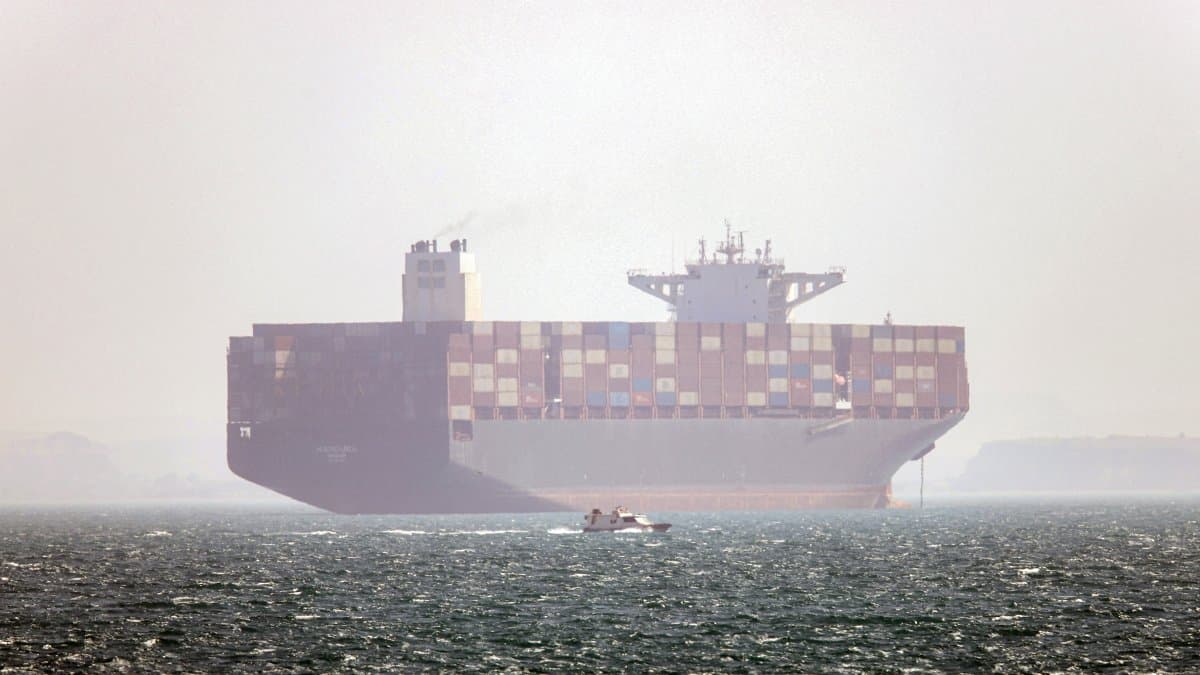

The U.S. military carried out a series of targeted strikes against military targets in southern Iran, specifically in the coastal town of Bandar Abbas and areas near the Strait of Hormuz.
The U.S. Central Command (CENTCOM) confirmed Monday that the operations were executed strictly in a self-defense dynamic to neutralize direct threats from the Islamic regime's naval forces against the U.S. deployment in the region.
Navy Capt. Tim Hawkins, CENTCOM spokesman, detailed the scope of the raid, specifying that the armed retaliatory actions included the destruction of "missile launch sites and Iranian vessels attempting to lay mines."
Tehran media, meanwhile, reported having heard loud detonations on the outskirts of the port city, while the official Mehr news agency qualified the impact by pointing out that the situation was under the control of Iranian troops.
Operational firmness in the midst of the ceasefire
Despite the forcefulness of the military action, defense officials stated that the status of the temporary ceasefire agreed upon by Washington and Tehran in April has not been modified.
"The U.S. Central Command continues to defend our forces while maintaining restraint during the ongoing cease-fire," Hawkins pointed out, making it clear that the White House will not tolerate logistical provocations that jeopardize international trade routes or the integrity of its troops.
The reactivation of the use of force coincides with a scenario of stalemate in bilateral talks to formally end hostilities. The halt to transit through the Strait of Hormuz, resulting from Iran's blockade in response to the air offensives in late February, continues to put heavy pressure on the global hydrocarbon market, raising fuel costs worldwide.
Prospects for an immediate diplomatic resolution cooled following statements issued by Iranian Foreign Ministry spokesman Esmaeil Baghaei.
Representatives from the Islamic dictatorship acknowledged partial progress on the peace draft, but emphasized the distance between the parties. "It is true that we have reached conclusions on a large part of the problems, but no one can say that the signing of an agreement is imminent," Baghaei told local state broadcasters.
Trump's ultimatum on nuclear material
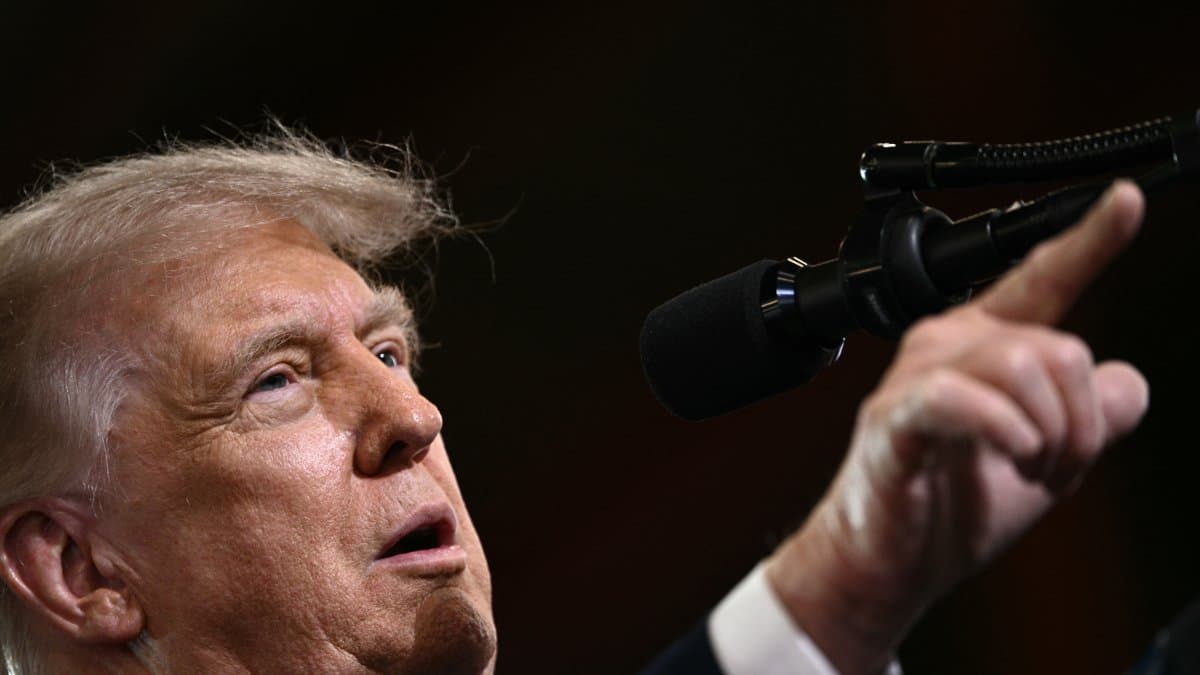
The friction at the dialogue table lies mainly in the demands made by President Donald Trump regarding Iran's nuclear program.
The U.S. leader demanded that the highly enriched uranium inventories held by the Islamic country be eradicated or destroyed under external supervision before proceeding with the lifting of economic sanctions and the blockade of ports.
Through his social media, Trump set the White House's immovable guidelines on this highly dangerous material, noting that the arsenal "will be immediately delivered to the United States to be brought home and destroyed or, preferably, in conjunction and coordination with the Islamic Republic of Iran, destroyed on site or, at another acceptable location, with the Atomic Energy Commission, or its equivalent, witnessing this process and event."
Executive sources clarified that this request does not constitute a variation in strategy but rather the ratification of the terms conveyed to the delegates in Doha from day one.
The president has also suggested making peace conditional on nations such as Saudi Arabia and Qatar joining the Abraham Accords to normalize ties with Israel, a strategic move aimed at shielding regional security and pleasing the strongest sectors of the Republican bench in the face of the threats of Islamism.
World
LIVE | Trump calls for broad adherence to Abraham Accords as part of Iran peace deal
Williams Perdomo
Politics
Marco Rubio speaks on the Iran deal and calls it absurd to think that Trump will strengthen Islamists
Andrés Ignacio Henríquez
Politics
'Don't listen to the losers': Trump defends Iran deal, vows he won't make a bad deal like Obama
Andrés Ignacio Henríquez
🛠 Do you think there is an error in this article?
Recommendations
LATEST